REVIEW · FATIMA, NAZARE & OBIDOS DAY TRIPS
Óbidos Nazaré Alcobaça Batalha and Fátima Tour
Book on Viator →Operated by Yolo Tours Portugal · Bookable on Viator
Five Portuguese towns in one satisfying day.
This Óbidos, Nazaré, Alcobaça, Batalha, and Fátima tour strings together medieval lanes, ocean-famous viewpoints, and Portugal’s most powerful pilgrimage space—without wasting time. I love how the guide connects the place to the people, from handmade ginjinha culture in Óbidos to the stories around the Nazaré women’s traditional skirts.
I especially liked two stops: the tasting of ginjinha at Loja do Américo in Óbidos, and the way the guide makes the monasteries in Alcobaça and Batalha feel personal, not just postcard-worthy. In the reviews, guides like João-Paulo stand out for being friendly, energetic, and genuinely good at sharing local details (including if you ask questions).
One possible drawback: the schedule is tight. You get about 45 minutes at Alcobaça and Batalha, plus shorter windows elsewhere, so if you want hours of slow wandering, you’ll need to pick your priorities fast.
In This Review
- Key highlights worth targeting
- Route at a Glance: Five Stops, One Smooth Day
- Óbidos Chocolate and Ginjinha: The Charming Stop You’ll Remember
- Nazaré Views and the Seven Skirts: More Than Big-Wave Fame
- Alcobaça’s Royal Abbey: Forbidden Love, Practical Timekeeping
- Batalha Monastery (UNESCO): The 1387 to Seven Reigns Story
- Fátima Sanctuary: Serenity When the Day Turns Spiritual
- Guide Impact: Why João-Paulo Makes the Day Feel Personal
- Value and Price: Is This Worth $660.87 Per Group?
- Practical Tips for a Smooth Day (No Stress Required)
- Who Should Book This Tour?
- Should You Book This Óbidos–Nazaré–Alcobaça–Batalha–Fátima Day Trip?
- FAQ
- FAQ
- How long is the Óbidos, Nazaré, Alcobaça, Batalha and Fátima tour?
- What time does the tour start?
- Do I get hotel pickup and drop-off?
- What is the maximum group size?
- Is the tour offered in English?
- What’s included in the price?
- Are meals included?
- Are monument entrances included?
- Is cancellation free?
- Are service animals allowed?
Key highlights worth targeting
- Handmade ginjinha stop at Loja do Américo in Óbidos
- Nazaré panoramic viewpoints and the story of the seven skirts
- Alcobaça Royal Abbey tombs tied to Pedro and Inês de Castro
- Batalha Monastery of Santa Maria da Vitória (UNESCO) and the seven reigns story
- Fátima sanctuary time that leans toward quiet reflection
Route at a Glance: Five Stops, One Smooth Day
This is a classic Portugal “greatest hits, but with context” route. You start at 9:00 am with hotel pickup and you return to the hotel afterward, which matters more than people think when you’re doing multiple towns in one day. The tour runs roughly 8 to 9 hours and keeps things organized with private transportation, bottled water, and WiFi on board.
The pacing is the big story here. You’ll hit five major places and still have a guided sense of what to look for, why it matters, and what details you’ll miss if you just wander alone. The benefit is clarity; the trade-off is time. You won’t be doing deep, hour-by-hour museum mode. You’ll be doing “see it, understand it, move on.”
Group size is kept small (up to 7 travelers), which usually means quicker answers, less waiting, and a more conversational vibe with the guide. That small-group feel is part of why people leave happy and talk about the guide’s knowledge and energy.
You can also read our reviews of more tours and experiences in Lisbon.



Óbidos Chocolate and Ginjinha: The Charming Stop You’ll Remember
Óbidos is one of those places that looks like it’s been staged just for visitors—whitewashed walls, cozy streets, and the kind of atmosphere that makes you want to slow down even if your schedule doesn’t. The tour frames it with layered history, mentioning Celts, Romans, Visigoths, and Moors. That quick historical overview helps you connect the architecture and street layout to real eras, instead of just taking photos and moving on.
Then comes the fun, and it’s not abstract. Óbidos is also described as a Christmas village for chocolate and literature, and it’s famous for ginjinha, a Portuguese cherry liqueur. The stop at Loja do Américo is the practical highlight: you meet hosts Zélia and Luís Filipe, and you learn that their family recipe is handmade and organic. This is the kind of detail that makes the tour feel lived-in, because it’s about a real product made by real people—not just a general shopping stop.
Why this works: Óbidos can easily become just a “pretty place to buy stuff.” Here, you get a reason to be there. You also get the right kind of time—about 1 hour 30 minutes—so you can taste, look around, and still feel you did something meaningful.
Potential snag: Óbidos is a small historic town. If you dislike crowds or tightly packed streets, you’ll want to plan your movement calmly. Go early, follow the guide’s pointers, and don’t get stuck in one lane for 20 minutes.
Nazaré Views and the Seven Skirts: More Than Big-Wave Fame
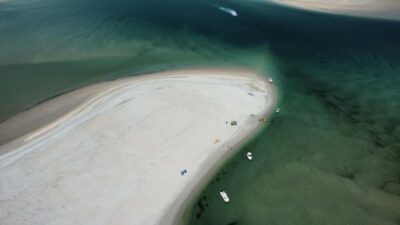
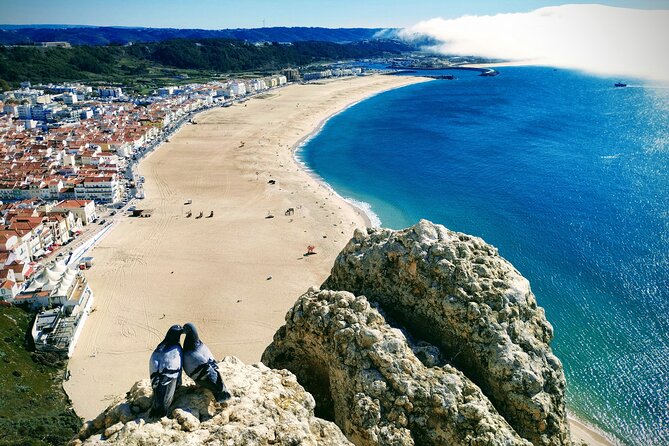
Nazaré is famous for something dramatic: the world’s biggest waves. But the tour doesn’t treat it like a one-note location. You’re shown panoramic views, and you’re given cultural context—especially the mention of the seven skirts associated with older women and the tradition they’re still proud to wear.
One detail that adds texture: the guide references an elder figure, Mrs. Carolina, with stories that come from long familiarity. That kind of named, specific storytelling helps you understand the town as a community, not just a viewpoint. It also makes the stop feel more personal and less like a generic lecture.
You get about 45 minutes here, which is enough for the main viewpoint time and a short chance to soak in the sea air and energy. If you’ve ever visited coastal places where everything feels windy and rushed, this pacing makes sense: you’ll be able to see the key panorama without exhausting yourself.
Food note (important, since meals aren’t included): one of the strongest comments from past guests involves choosing a great restaurant with an ocean view in Nazaré. You should expect the guide to help you find good options nearby, but you’ll still pay for your own lunch. If you care about where you eat, ask early.
Reality check: Nazaré’s biggest-wave reputation depends on conditions. Even if the waves aren’t at their most extreme, the viewpoint experience still holds up, especially with the cultural context given on this tour.
Alcobaça’s Royal Abbey: Forbidden Love, Practical Timekeeping
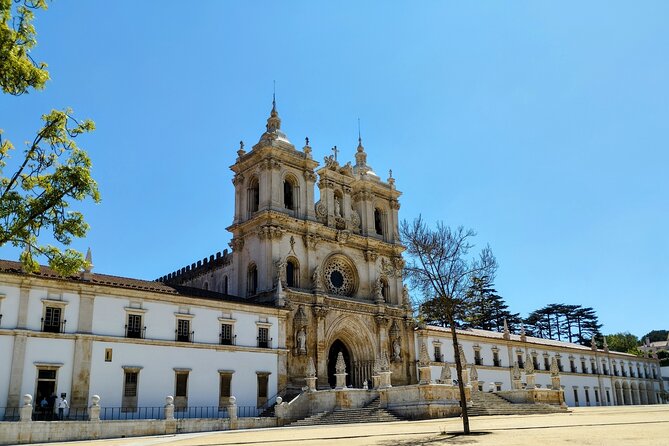
Alcobaça shifts the day from seaside energy to story-heavy art and architecture. The anchor here is the Royal Abbey of Santa Maria de Alcobaça and the tombs tied to the tragic forbidden love between Pedro and Inês de Castro. You’re not just looking at a church. You’re learning why the tombs are emotionally charged and how they became part of Portuguese cultural memory.
The tour gives you about 45 minutes at this stop. That’s a good time window for a guided visit: long enough to understand the basic layout, long enough to notice the scale, not so long that you start rushing just to finish. This is also one of the best “value” stops on a tour like this, because guided explanation turns a short visit into something that feels coherent.
Here’s the practical angle: if you’re the kind of person who likes to read plaques quietly or linger for photos, 45 minutes can feel short. If you do need a little extra time, let your guide know early. A small group can sometimes help adjust the pace slightly without wrecking the schedule.
Also remember: entrances are listed as not included in the overall package. That said, the stop schedule shows admission ticket time as free, so you may be covered for the areas included in the planned visit. Still, have a few euros in mind just in case there’s a fee for an area you want to access beyond what’s planned.
Batalha Monastery (UNESCO): The 1387 to Seven Reigns Story
Batalha brings in one of Portugal’s most impressive architectural statements: the Monastery of Santa Maria da Vitória. It’s UNESCO-listed and described as beginning in 1387, moving through seven reigns, and never fully finished. That detail is important. It explains why the building can feel both grand and slightly unfinished in places—rather than treating it like a random unfinished project.
The tour allocates about 45 minutes here too. Like Alcobaça, this is a sweet spot for a guided look. You’ll get the big ideas—why it’s considered one of Portugal’s seven wonders, why it matters, and what to watch for—without burning half your day.
Drawback to consider: monastery time can feel “same-roomy” if you don’t know what you’re supposed to focus on. That’s where a good guide earns their keep. If you care about architecture, ask questions about the building’s timeline and how the change across reigns might show up visually. Small-group time helps you get answers that stick.
If you’re someone who loves history but hates dry lectures, this stop is still worth it, because the building’s story is visible. You just need someone to point out what to notice.

Fátima Sanctuary: Serenity When the Day Turns Spiritual
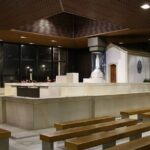
Fátima changes the mood of the trip. After monasteries and coastal viewpoints, you arrive at a holy landscape where the focus is devotion, sanctuary scale, and that sense of shared faith. The tour describes the atmosphere as almost palpable—plus it emphasizes introspection and serenity.
You get about 1 hour here. That’s enough time to take in the main sanctuary areas with guidance and still step back for a few quiet minutes. If you’re not religious, you can still appreciate the place as a cultural and human experience: tens of thousands of people come for meaning, ritual, and community, and you’ll feel that even in a short visit.
Meals aren’t included, so plan to either have eaten earlier or budget time for a snack afterward if you need it. The best approach is to keep your expectations realistic: this isn’t a long, slow pilgrimage. It’s a focused, respectful visit that aims to help you understand why people come.
Weather matters too. Fátima is visited year-round, but your comfort depends on how warm it is, how windy it feels, and how much time you spend outside. With a guided itinerary, you’ll still be able to follow the pacing without getting stuck.
Guide Impact: Why João-Paulo Makes the Day Feel Personal
A tour like this can become “drive, stop, photo, drive.” What makes it work is the guide’s ability to connect dots. In the reviews, guides such as João-Paulo (spelled a few ways) stand out for being energetic and knowledgeable, and for speaking multiple languages fluently. That matters if you ask questions or if your group includes different comfort levels with history.
The guide’s style also sounds proactive and flexible. People highlight surprises and off-the-beaten-track touches, plus good restaurant guidance in Nazaré. In practice, that means you’re more likely to get an experience that feels like Portugal, not just a checklist.
What I appreciate most from this kind of guiding: you’re not left to interpret everything yourself. For example, in Óbidos you learn about the family recipe behind ginjinha. In Alcobaça and Batalha, you get the tragic story and the building timeline explained in a way that’s meant for a day trip.
Value and Price: Is This Worth $660.87 Per Group?
The price is $660.87 per group for up to 7 people, for 8 to 9 hours with hotel pickup, private transportation, and a tour guide. On a per-person basis, the math depends on how many people share the group.
- If you split with 7 people, it’s about $95 per person.
- If it’s 4 people, it’s around $165 per person.
- If it’s just 2 people, it’s about $331 per person.
That’s a wide range, so think about your travel style. If you’re traveling as a small group or as a couple who wants a private-feeling day without handling logistics, it can look like strong value. You’re essentially paying for a guide plus door-to-door transport, with five major stops that would be harder to coordinate on your own.
If you’re traveling solo or as a pair, it’s still doable, but you should be honest about whether you want this many sites in one day. Some solo travelers prefer a slower route or fewer stops so the experience feels less rushed. This one moves.
Also note what’s not included: meals and entrances in monuments or attractions are listed as not included overall. The itinerary shows admission ticket free for the planned stops, but you should still budget modest extra spending for food, drinks, and any areas not covered by that plan.
Practical Tips for a Smooth Day (No Stress Required)
A day trip like this is all about preparation. Here are the things that most affect your comfort and enjoyment.
Start time and pickup: you meet at 9:00 am, with pickup and drop-off at your hotel. Be ready a few minutes early. Wear something you can move in—historic centers are walk-heavy and sometimes uneven.
Plan your lunch stance: meals aren’t included, so treat lunch as a choose-your-own moment. If Nazaré matters to you for food, ask your guide during the morning so you can end up somewhere that matches your taste and budget.
Money for small extras: even when the scheduled stops look admission-friendly, you might want a drink, a snack, or a paid viewpoint area. Keep a little cash or card handy.
Weather clothes: this route includes coast viewpoints and a more contemplative visit in Fátima. Bring a light layer even in warm months. Wind is real near the ocean.
For photos: don’t try to photograph everything at once. Pick 2 to 3 must-shots per stop, then give yourself time to look with your own eyes before you shoot.
Who Should Book This Tour?
I’d book this if you want a guided day that covers major Portuguese highlights without you having to plan every turn. It’s especially good for:
- first-time Lisbon-area visitors who want medieval towns, UNESCO monasteries, and Fátima in one push
- small groups that can split the group cost and keep the day intimate
- travelers who like stories as much as sights, and who don’t mind moving along a structured schedule
It might not be your best fit if you want long, quiet wandering or if you hate the idea of 45-minute stops. This tour is built for momentum and context, not for slow soaking.
Should You Book This Óbidos–Nazaré–Alcobaça–Batalha–Fátima Day Trip?
If you like the idea of tasting ginjinha with a family connection, getting cultural context at world-famous Nazaré viewpoints, and seeing two UNESCO monastery stops plus Fátima in one day, this tour makes sense. The small group size, hotel pickup, and guide-led storytelling are the core strengths.
Before you book, do one quick reality check: confirm that you’re comfortable with a packed schedule and with budgeting for your own meals. If that fits your style, you’ll likely come away feeling you learned something real—and not just collected photos.
FAQ
FAQ
How long is the Óbidos, Nazaré, Alcobaça, Batalha and Fátima tour?
It runs about 8 to 9 hours.
What time does the tour start?
The start time is 9:00 am.
Do I get hotel pickup and drop-off?
Yes. Pickup and drop-off are at your hotel.
What is the maximum group size?
The maximum is 7 travelers.
Is the tour offered in English?
Yes, it is offered in English.
What’s included in the price?
WiFi on board, air-conditioned vehicle, private transportation, bottled water, insurance, and a tour guide are included.
Are meals included?
No, meals are not included.
Are monument entrances included?
Entrances in monuments or attractions are not included. The itinerary lists admission ticket free time for the planned stops.
Is cancellation free?
Yes, free cancellation is available if you cancel at least 24 hours in advance for a full refund.
Are service animals allowed?
Yes, service animals are allowed.