
Lisbon glides past your window in style. This nostalgic tuk tuk tour is a handy way to get your bearings while a local guide threads Belém Tower sights with fado stops in Alfama. I like that you get a real car-in-the-streets view of places that are hard to reach on foot, plus the chance to step out for short looks and stories, not just a drive-by. One thing to consider: the vehicle may not always match a strict vintage-car expectation, and a microphone may not be used, so audio can be inconsistent depending on the guide.
For $117 per group up to 4, it can be strong value compared with piecing together separate transport and tours for a small crew, and the route can be adjusted around what you want to see. The tour runs 1 to 6 hours, rain or shine, and you finish back where you started.
You’ll ride with a live guide in English, French, Portuguese, or Spanish, and the experience is wheelchair accessible with private or small-group options. It also skips the usual headache of lining up entrance tickets or lunch before you even begin.
In This Review
- Key highlights at a glance
- The point of a tuk tuk in Lisbon: speed, comfort, and street-level views
- Belém Tower and the Rio Tejo: where the tour slows down on purpose
- Jerónimos Monastery: Manueline architecture in a tour-sized dose
- Alfama’s maze: fado energy, local markets, and small-shop Lisbon
- Pastéis de Belém: the stop that tastes like Lisbon
- Rain or shine: how the tour holds up when Lisbon turns wet
- Guides make the difference: Davide, Felipe, Inez, Elsa
- Price and value: is $117 per group up to 4 a good deal?
- Who this tour fits best (and who might prefer something else)
- Should you book this Lisbon Nostalgic Tuk Tuk Tour?
- FAQ
- How long is the Nostalgic Lisbon Tuk Tuk Tour?
- How much does the tour cost?
- What’s included in the tour price?
- Are entrance tickets included?
- Is it suitable for children?
- What languages are available for the live guide?
- Will the tour run in bad weather?
- Is the tour wheelchair accessible?
- Is there free cancellation?
- Can I reserve now and pay later?
Key highlights at a glance
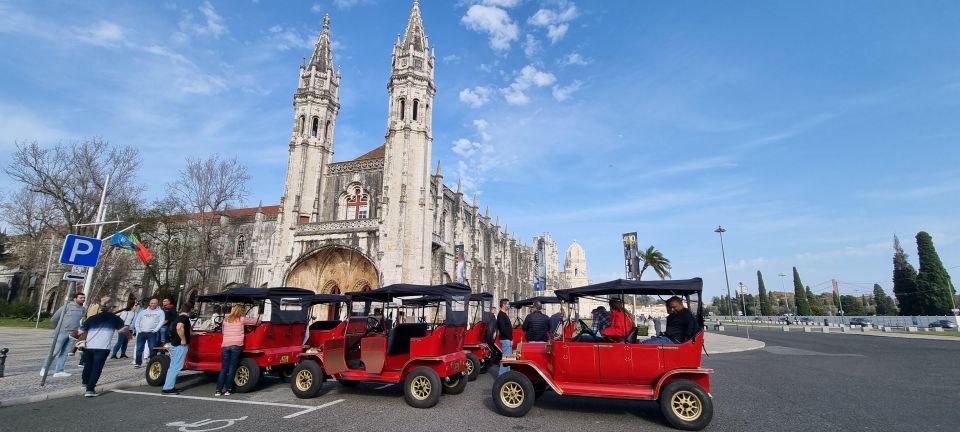
- Classic-car style Lisbon route that’s made for narrow, winding streets
- Belém Tower + River Tejo views, with time to step out and look closely
- Jerónimos Monastery (UNESCO) and Manueline architecture explained in plain terms
- Alfama stops where fado can pop up from every direction
- Fábrica dos Pastéis de Belém, so you can try pastéis de nata fresh
- Private or small groups for a calmer pace than big bus tours
The point of a tuk tuk in Lisbon: speed, comfort, and street-level views
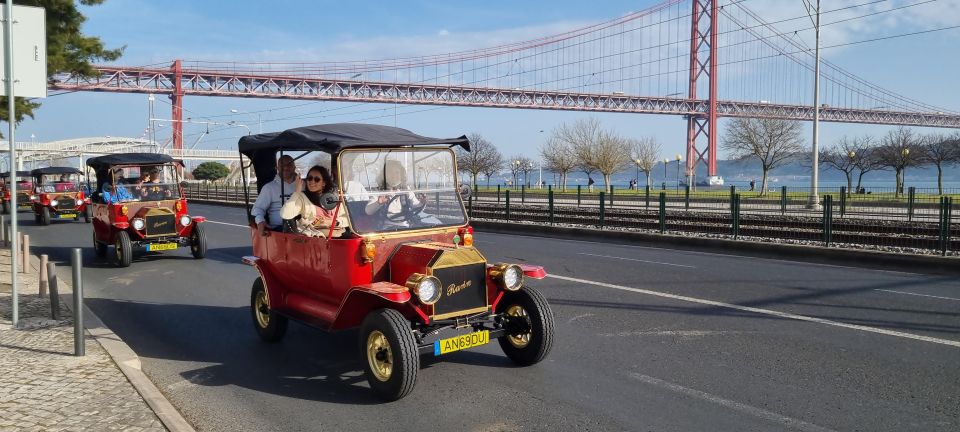
Lisbon is a city of steep grades, tight lanes, and sudden viewpoints. A tuk tuk-style tour makes sense because it keeps you moving without you burning your legs climbing between neighborhoods. You’re not stuck with the all-day “walk and hope” plan.
This tour’s format is also built for short, satisfying breaks. You’ll get the best of two worlds: a guided route with context, plus moments to step out and actually look at what you came for. In a city full of photo stops, I value tours that give you enough time to see details—not just a quick glance and back in the seat.
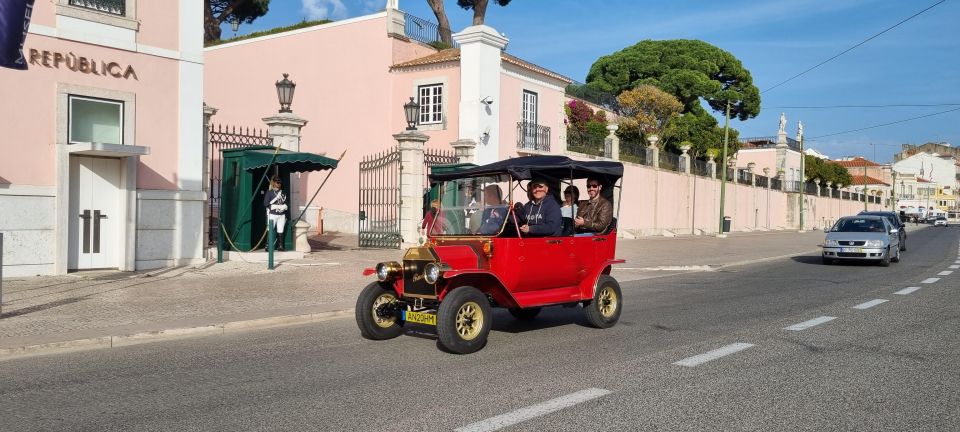
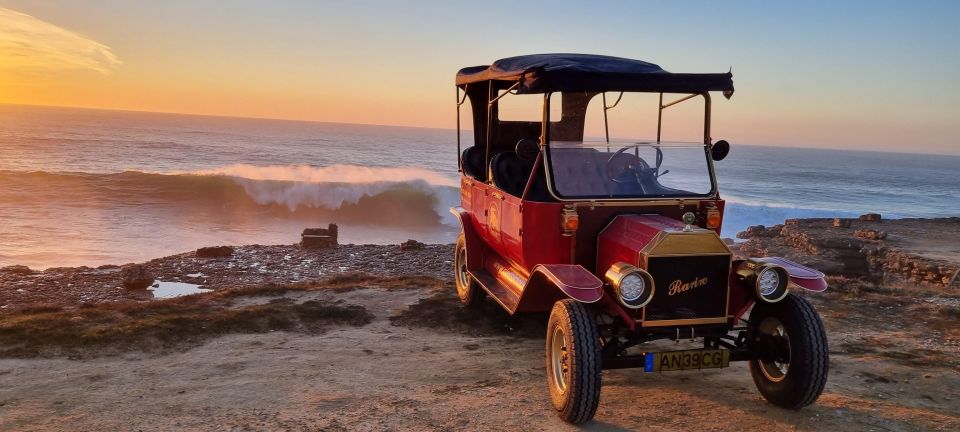
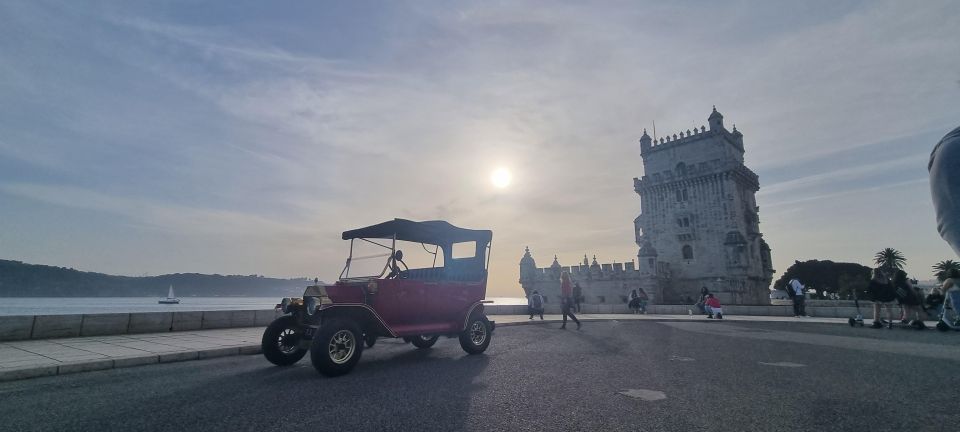
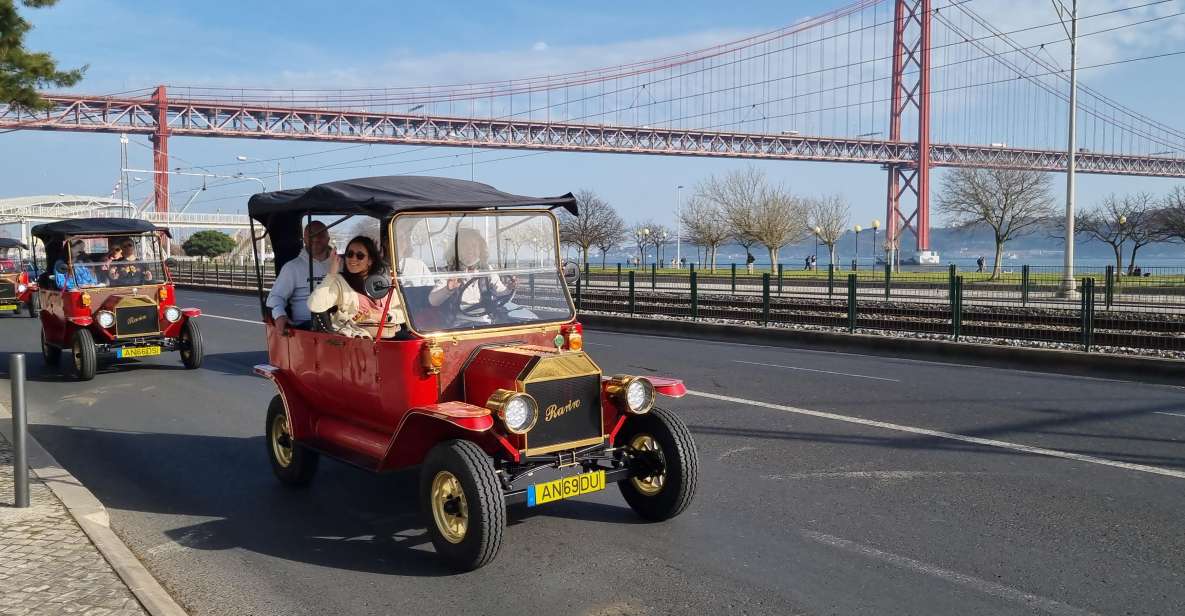
There’s one practical consideration. Some vehicles are described as nostalgic or vintage, but the exact look can vary. If vintage authenticity is a big part of your day, it’s worth asking the provider ahead of time what the car will look like for your departure. Also, not every guide uses audio equipment, so if you care about clear listening, choose a language you feel confident with and ask questions when you’re parked.
You can also read our reviews of more tours and experiences in Lisbon.



Belém Tower and the Rio Tejo: where the tour slows down on purpose

Belém Tower is one of those sights where it’s easy to think you already know it—until you see it up close. During your tour, you’ll reach Belém and have time to get out and explore. That matters, because the Tower’s details only really make sense when you’re standing near the stone and looking at the structure from a few angles.
You’ll also get river views over the Rio Tejo. Even if you’re not a history buff, the location helps you understand why Belém mattered during Portugal’s age of discoveries. The Tower isn’t just pretty; it’s a landmark tied to how ships, trade, and exploration shaped Lisbon’s power.
A smart tip: when you step out, don’t rush straight into photos. Take 30 seconds first to scan the silhouette—then come back for the exact angles. You’ll leave with pictures that match what your eyes noticed, not just what the internet does.
Jerónimos Monastery: Manueline architecture in a tour-sized dose
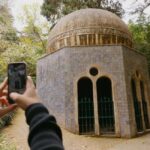
Your next major stop is Jerónimos Monastery, one of Portugal’s key examples of Manueline architecture and a UNESCO World Heritage Site. This is the kind of building where people often do one of two things: they either spend hours in silence, or they rush through because the details are overwhelming. A guided drive-to-spot-and-look format helps you hit the right level.
Expect to walk through historic spaces with explanations that connect the style to the era that produced it. Manueline work often feels like stone decoration—braided patterns, carved motifs, and flourishes that look almost ship-like. When a guide points out what you’re seeing and why it’s there, the monastery stops being just walls and becomes a story you can track.
Drawback? Jerónimos can demand more walking than you’d expect. If you’re short on time within the 1-to-6-hour window, you might not be able to do everything at a slow museum pace. Still, the tour is set up so you don’t waste your day trying to plan the right route on your own.
Also note: entrance tickets aren’t included. If you plan to spend extra time inside, budget for tickets on top of the tour price.
Alfama’s maze: fado energy, local markets, and small-shop Lisbon

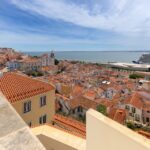
After Belém and Jerónimos, the vibe shifts. You’ll pass through Alfama, Lisbon’s classic neighborhood of narrow, tangled streets. This is where Lisbon starts sounding like Lisbon—because fado can seem to seep out from corners.
The tour doesn’t promise a staged performance every time, but it does aim to get you in the right neighborhood and the right mood. You’ll have the chance to explore local markets, craft shops, and small cafés, and that’s where the trip becomes more than just sightseeing. Alfama is good for people who want atmosphere and context, not just landmarks.
One of the best values here is that you’re not doing Alfama as a random wander. You’re driving in, then moving on foot for the parts that reward walking: shops, views, and the street-level feeling you can’t get from a bus window. If you’ve only got one day and want a real sense of the city’s older side, this is a strong match.
What to watch for: streets here are not flat, and foot time varies by weather and by how long you want to linger. Wear shoes you can handle on cobbles and slopes. Rain can turn everything slippery, so plan to move carefully when you get out of the car.
Pastéis de Belém: the stop that tastes like Lisbon
Then comes the food stop everyone remembers. You’ll visit Fábrica dos Pastéis de Belém to try pastéis de nata (the famous custard tarts). Since this is the place where they’re made, you’re not just looking at pastries behind glass. You’re arriving at the source tradition—one reason this stop feels more meaningful than a generic bakery.
The tour gives you the chance to taste them fresh, straight from the production spot, and that’s a big deal. Pastries are best within the first moments after they come out, and fresh-from-the-factory tends to deliver that crisp, warm contrast.
A practical note: lunch or snacks aren’t included, so treat the pastry stop as a highlight, not a meal plan. If you’re doing the shorter 1-to-2-hour version, you might want to eat a proper meal before or after. If you’re doing closer to 6 hours, you can pace yourself and add coffee or a small bite nearby.

Rain or shine: how the tour holds up when Lisbon turns wet
Lisbon doesn’t ask permission before it rains. This tour runs rain or shine, which is a lifesaver when your vacation weather looks shaky. The good news is that the itinerary still works: car time covers distance, and the key stops have moments where you can get out, look, and still make progress even if umbrellas are out.
I especially like that the pace is flexible. In rough weather, a guide can decide how long to stay outside based on visibility and safety. In one notable stormy case, the guiding driver pressed on and still managed a solid sightseeing loop, including a pastry stop. That’s the kind of steadiness that matters when you’re paying for time, not for sitting at a canceled checkpoint.
Your part: bring a compact rain layer and something with grip for the streets. If you have a smartphone, keep it protected. Lisbon looks good even in rain, but cobbles don’t care about your phone wallet.
Guides make the difference: Davide, Felipe, Inez, Elsa
This tour’s ceiling rises fast with the guide. The standout pattern in the experience is energy plus clear storytelling. Guides like Davide, Felipe, Inez, and Elsa have been praised for being personable and for sharing stories in a way that keeps the trip moving, instead of turning it into a list of dates.
What I’d look for when choosing your departure time is how you like to learn. If you enjoy interaction—asking questions, getting pointed at what to look for—this format usually pays off. If you prefer quiet viewing, you can still get value from the route because the stops are the things you’d want to see anyway.
One caution: if your tour language is English and you’re sensitive to audio clarity, remember that not every vehicle setup includes a microphone. If you want extra assurance, message the provider before you go and ask whether audio is used during your specific guide’s departures.
Price and value: is $117 per group up to 4 a good deal?

At $117 per group up to 4, the math can work really well—especially if you’re traveling with at least one other person. You’re essentially buying a guided route plus transport in a single package, which can cost more when you split it into individual taxis and separate walk-only tours.
Where the value becomes clearer: the itinerary includes major anchors like Belém Tower, Jerónimos Monastery, and Alfama, plus the pastry stop at Pastéis de Belém. If you’re trying to cover these key areas with public transit or multiple rides, the time cost adds up quickly. A guided car loop helps you compress your day.
Remember what’s not included: entrance tickets and food beyond the tasting stop. Lunch or snacks are on you, and entrance tickets are also your responsibility. That means the tour price is the framework, not the full day. If you want to go deep at Jerónimos or add extra museum time, plan extra budget for tickets and your own meals.
Duration is flexible (1 to 6 hours). If you only want the highlights, choose a shorter window to avoid fatigue. If you want Alfama time to breathe, lean toward the longer end.
Who this tour fits best (and who might prefer something else)
This is a great choice if you want Lisbon’s highlights plus the feel of the older neighborhoods—without building a complicated day plan. It’s especially good for a first day in Lisbon because you get orientation, major sites, and a neighborhood mood in one go.
It also fits well if you enjoy guided stories and you like food stops that actually matter. The Pastéis de Belém stop is built into the route, so you won’t be left chasing it later.
What about families? The tour is not suitable for children under 7, so it’s best for groups with older kids. The experience is wheelchair accessible, which is a strong plus for mobility needs, but cobblestones and walking portions still require careful footing.
If you hate being in a car at all, or if you want fully independent pacing with zero stops and no guide interruptions, a self-guided plan might feel better. But if you want someone to connect the dots, this style tour is a time-saver.
Should you book this Lisbon Nostalgic Tuk Tuk Tour?
Book it if you want a guided day that mixes big Lisbon landmarks with the street-level energy of Alfama, and you’re happy to treat the pastry stop as part of the experience (not a full meal). The $117 per group rate can be very fair once you factor in transport and guided routing for up to four people, especially if you’re doing your first big loop.
Skip it or ask extra questions if vintage-car appearance is crucial for you, or if clear audio is a must. Also consider entrance tickets: you’ll likely want them at Jerónimos, and you’ll need to budget for your own lunch.
If your goal is to get bearings fast, see the classics, and still feel the older soul of Lisbon, this tour checks those boxes in a practical, street-ready way.
FAQ
How long is the Nostalgic Lisbon Tuk Tuk Tour?
The tour duration is 1 to 6 hours. Starting times depend on availability.
How much does the tour cost?
The price is $117 per group for up to 4 people.
What’s included in the tour price?
What’s listed as included is setup of the tour with the places you want to visit. Entrance tickets and lunch or snacks are not included.
Are entrance tickets included?
No. Entrance tickets to points of interest are not included.
Is it suitable for children?
It is not suitable for children under 7 years old.
What languages are available for the live guide?
The live tour guide is available in English, French, Portuguese, and Spanish.
Will the tour run in bad weather?
Yes. The tour takes place rain or shine.
Is the tour wheelchair accessible?
Yes, the tour is wheelchair accessible.
Is there free cancellation?
Yes, you can cancel up to 24 hours in advance for a full refund.
Can I reserve now and pay later?
Yes, reserve now & pay later is available, with the option to pay nothing today.