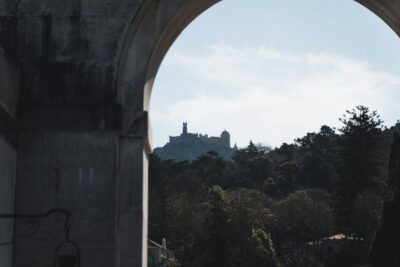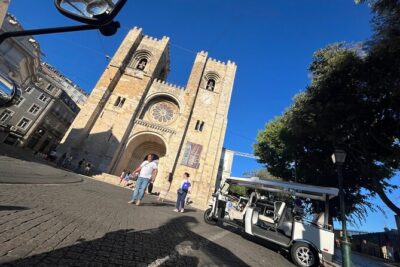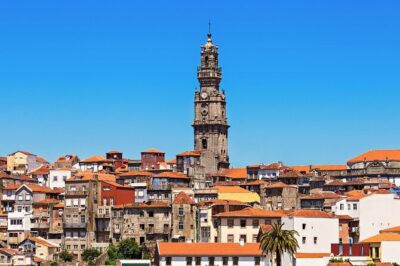
Lisbon’s past shows up in every corner. This 2.5-hour walk takes you from Graça through Roman and Moorish leftovers, then links it all to explorers, earthquakes, and the people who lived through it. I especially liked how the stories feel grounded in real places, not just big dates.
My second favorite part is the mix of history layers you can actually see. You’ll track 1755 Lisbon earthquake damage, spot ruins tied to the quake (including a buried street idea), and finish at Praça do Comércio, where the Royal Palace used to stand.
One heads-up: this is a walking-first, history-heavy tour. If you want mostly food, nightlife, or modern Lisbon, you may find the pace and focus a bit much—so save it for when you’re ready to absorb centuries on foot.
In This Review
- Key Highlights You Should Actually Care About
- Graça to the Castle Walls: How Lisbon’s Timeline Gets Told
- Starting Point Energy: What the Early Portion Feels Like
- Seeing São Vicente Monastery and Royal Burials Up Close
- Amalia Rodrigues Street Art: More Than a Photo Op
- The Castle Area: Medieval Walls, Roman Remains, and Big Views
- Dictatorship-Era Prison and Lisbon’s Hard Questions
- 1755 Earthquake Scars: Buried Street and Earthquake-Resistant Clues
- From the Royal Palace Site to Praça do Comércio’s Statue Meaning
- Price and Walking Time: Is $40 Good Value?
- Who Should Book This Tour (and Who Might Skip It)
- Should You Book This Lisbon History Walk?
- FAQ
- How long is the Lisbon: Highlights and Hidden Gems Tour?
- How much does the tour cost?
- What’s included in the tour price?
- What is the group size?
- What languages are available?
- Where does the tour start and end?
- Is this tour suitable for wheelchair users or people with mobility impairments?
- Are children allowed?
- Can I cancel for a refund?
- What is the best type of traveler for this tour?
Key Highlights You Should Actually Care About
- Small group (up to 8) keeps you moving at a human pace and makes questions easy in tight spots.
- Amalia Rodrigues street art gives you a visual anchor for Lisbon’s fado culture while you walk.
- 1755 earthquake evidence isn’t abstract here; it’s tied to what you can spot in the streets.
- Graça to the Castle area means medieval walls, Roman remains, and views that help the city click into place.
- Multiple Lisbon eras in one route (Celts, Romans, Visigoths, Arabs, Portuguese) so you stop seeing neighborhoods as separate.
- Finish at Praça do Comércio for a big “why this matters” ending tied to the Royal Palace and its statues.
Graça to the Castle Walls: How Lisbon’s Timeline Gets Told
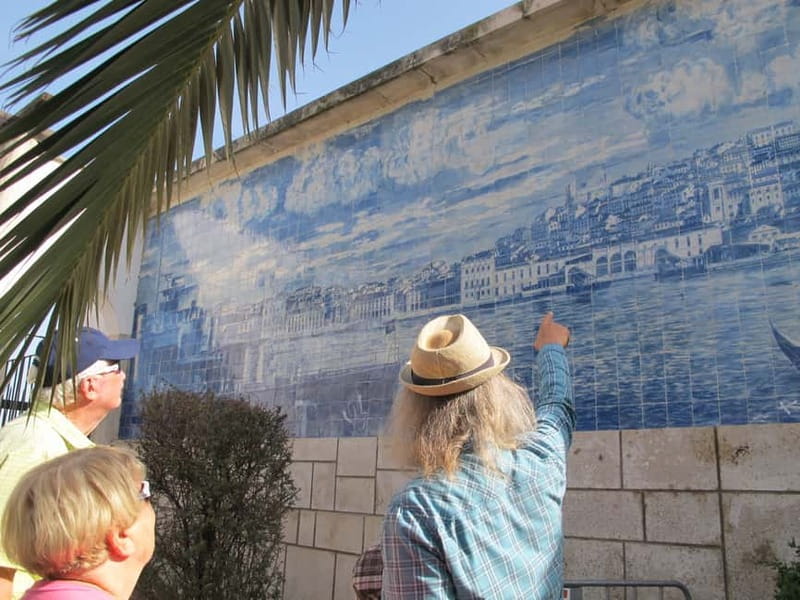
I like tours that help me read the city, not just check off landmarks. This one does that by walking you across Lisbon’s main “time zones,” from older religious areas and working neighborhoods into the Castle zone, then down to Baixa’s rebuilding story.
You start in the Graça area and move through places that explain how Lisbon formed, how it was defended, and what changed when disaster struck. The guide I followed, Peter, did a great job keeping it chronological without turning it into a lecture—so you leave with a map in your head, not just photos on your phone.
And because the group is limited to eight people, the tour feels less like a race and more like a steady stroll where you can pause when something catches your eye—like a wall, a chapel detail, or street art.
You can also read our reviews of more tours and experiences in Lisbon.



Starting Point Energy: What the Early Portion Feels Like
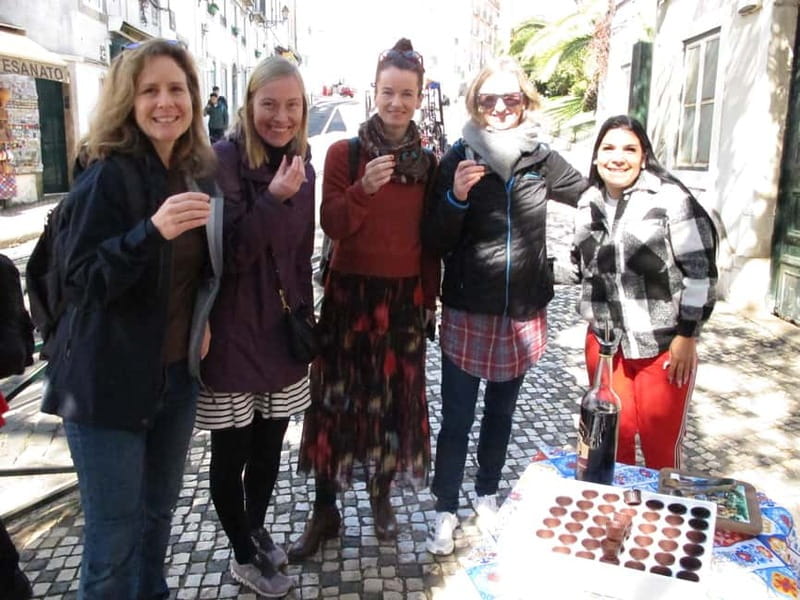
The beginning matters here because it sets the tone: this is city-walk history. You’ll start around a church area and pass through older workers’ housing, so you’re not only seeing grand monuments. That shift is important. Lisbon isn’t just palaces and viewpoints. It’s also the lived-in side of the city.
Expect your guide to link what you see on the street to larger Portuguese themes—people, power, faith, trade, and how the city handled repeated shocks. If you’re the type who loves “how did this happen?” questions, you’ll enjoy that early momentum.
Practical tip: this part is still Lisbon streets—so comfortable shoes are not optional. The route is designed for walking at a steady clip.
Seeing São Vicente Monastery and Royal Burials Up Close
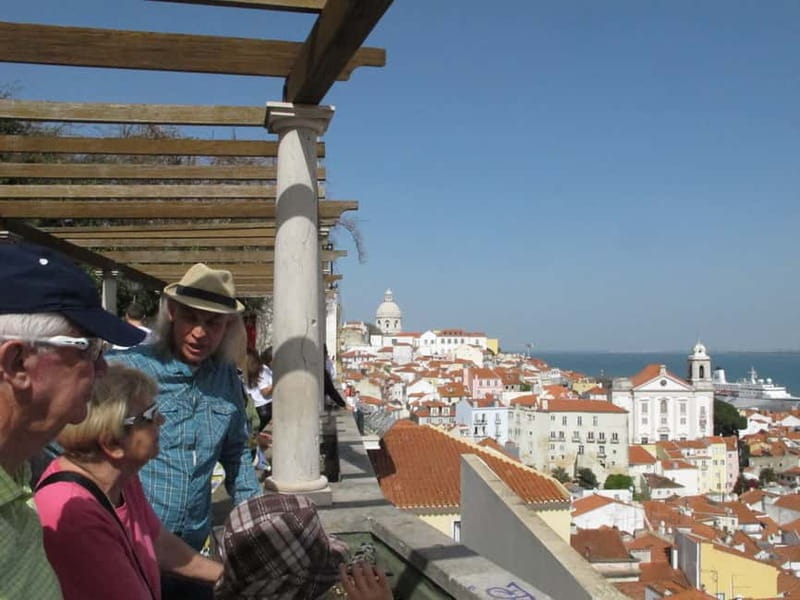
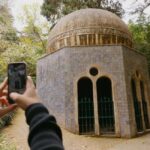
One of the most memorable stops is the São Vicente monastery area. This is where the tour connects religion, royalty, and international history in a way that feels personal rather than textbook.
You’ll learn about Portuguese royal family connections and also how the Queen of England is buried there. That kind of link is exactly why I like doing history tours in Lisbon: the city’s importance comes through in the surprising details. You get a sense that Lisbon wasn’t just local—it sat inside Europe’s bigger story.
At this point, the tour does something smart: it slows down just enough that you notice architectural and cultural cues, then moves you back out into the streets so the monastery doesn’t feel like a disconnected stop.
Amalia Rodrigues Street Art: More Than a Photo Op
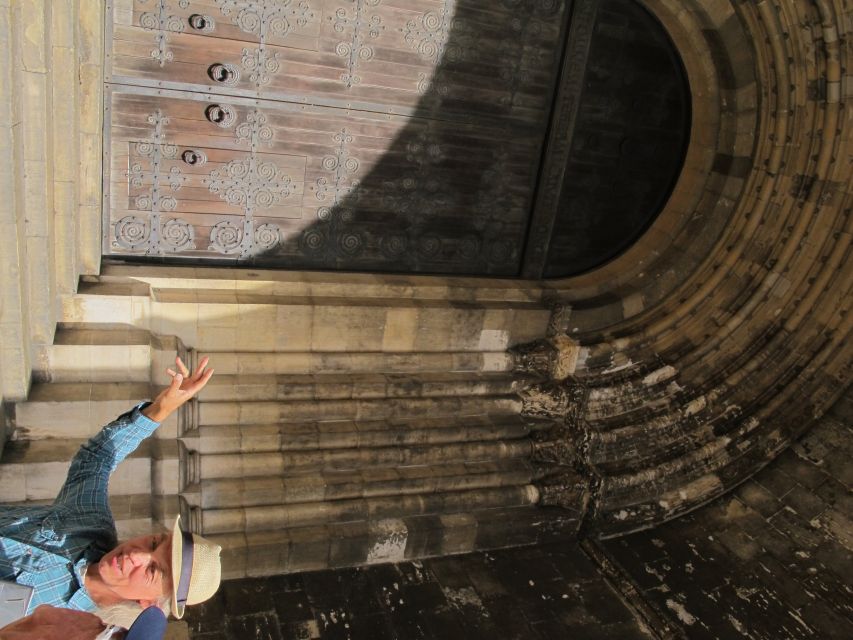
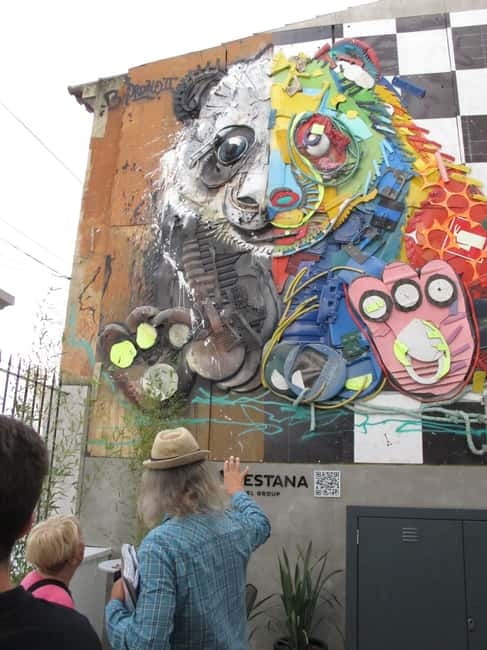
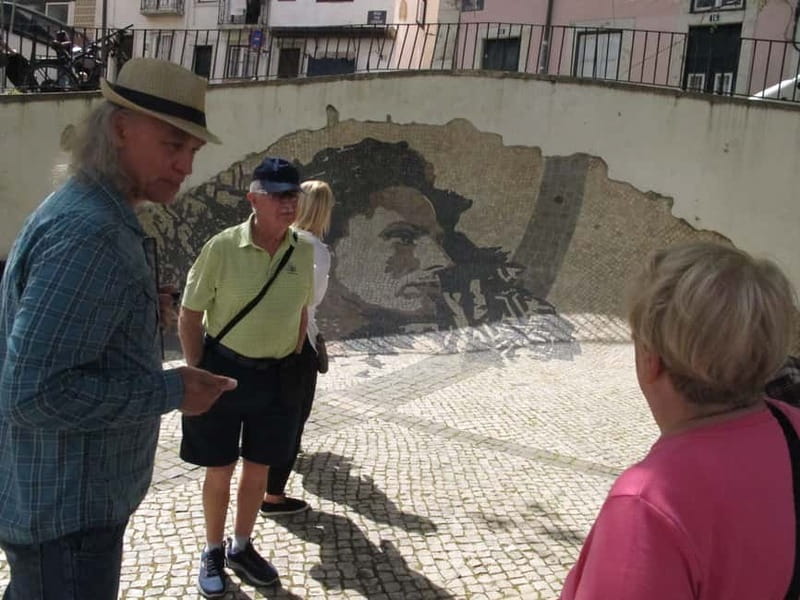
If you’re thinking street art on a walking tour sounds random, you’ll probably change your mind here. The guide points out colorful work along the way, including a portrait of fado singer Amalia Rodrigues.
Why this matters: street art acts like a living caption for the city. Lisbon’s art scene is not separate from its history; it’s another way the city tells its stories. Seeing Amalia Rodrigues in the middle of an older neighborhood helps you connect fado culture to place, not just sound.
So yes, it’s a good photo moment. But the better value is learning why that image belongs where it is, and how your understanding of Lisbon gets richer as you keep walking.
The Castle Area: Medieval Walls, Roman Remains, and Big Views
After the Graça and São Vicente portion, the tour climbs into the Castle area, and this is where Lisbon starts to feel like a fortress with stories attached.
You’ll walk through the medieval walls, and you’ll also encounter Roman traces—especially the Roman theatre. That’s a key “aha” stop for me: you see how Rome’s influence didn’t vanish; it got layered into later eras.
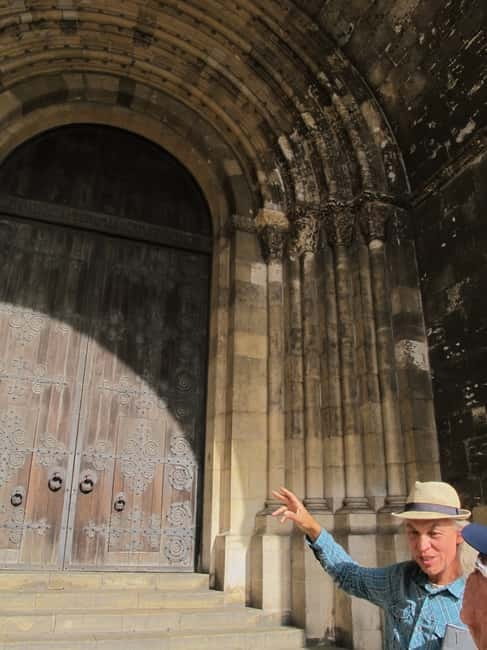
The route also includes the cathedral area and its stables. Even if you’re not a deep architecture person, these kinds of sections help you understand how religious life and daily operations overlapped. Lisbon wasn’t one function. It was a working city built around spiritual centers.
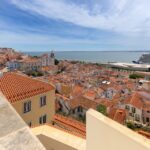
And throughout this climb, keep an eye out for the way viewpoints shape your understanding. When you can see the city below while you’re learning its past, the geography becomes part of the story.

Dictatorship-Era Prison and Lisbon’s Hard Questions
Not every stop is charming. At some point you’ll see a prison from the dictatorship era. It’s the tour’s reality check, and I appreciate that it’s included because it keeps the “3,000-year story” from staying only romantic.
This section helps you connect Lisbon to the more modern political history that Portugal lived through. Even if you didn’t plan to learn about 20th-century repression, a walking tour like this nudges you toward understanding how power shapes space—where people are kept, where control happens, and how streets remember.
If you prefer soft, feel-good sightseeing only, this moment may feel heavy. But it’s also a meaningful counterweight to the fairy-tale views.
1755 Earthquake Scars: Buried Street and Earthquake-Resistant Clues
This is one of the tour’s biggest strengths: it treats the 1755 Lisbon earthquake as something you can still sense in the city’s fabric. Instead of tossing dates at you, the guide helps you link the quake to specific physical reminders.
You’ll witness ruins connected to the earthquake and learn about a buried street tied to the destruction. That image sticks with you because it’s so visual—you can picture an older layer swallowed and replaced.
The tour then brings you toward Baixa’s rebuilding story, including earthquake-resistant buildings. Even without getting too technical, this part helps you understand why Lisbon’s modern layout feels the way it does. Disaster didn’t just cause tragedy; it reshaped planning and construction choices.
If you love history because it explains the present, this earthquake segment is the payoff. It’s where your walking turns into understanding.
From the Royal Palace Site to Praça do Comércio’s Statue Meaning
Ending at Praça do Comércio feels like a grand reset. This is one of Europe’s most impressive squares, and finishing here gives the tour a built-in climax: it’s open space after tight streets, and it’s architecture after alleyways.
You’ll learn that the square was the former site of the Royal Palace, and your guide walks you through what happened there over the centuries. You also get help understanding the meaning of the statues—which is usually the part people miss when they just wander through.
I like finishing in a place where you can stop, look around, and mentally summarize what you learned. From here, Lisbon feels organized in your head: Roman traces, Moorish walls, Lisbon’s working neighborhoods, political memory, and the quake’s rewriting of the city.
Price and Walking Time: Is $40 Good Value?
At $40 per person for about 2.5 hours, this tour hits a value sweet spot—especially because you’re getting more than just commentary.
First, your price includes a taste of Lisbon: pastel de nata (cream tart) or ginginha (cherry liqueur). That’s not a full meal, but it’s a nice local touch that gives your tour a proper ending rhythm.
Second, the history is place-based. You’re not just hearing stories from one bench. You’re moving across neighborhoods where each era leaves traces—Roman theatre, monastery connections, medieval walls, and earthquake-linked damage.
Third, the small group size (up to 8) is a big deal for value. It means you spend less time waiting and more time asking questions when you’re actually standing in the right spot.
The one trade-off: it’s walking time, not a bus-and-viewpoints format. If you’re short on stamina, the cost won’t matter much because you’ll struggle to enjoy it.
Who Should Book This Tour (and Who Might Skip It)
I think this tour fits best if you:
- Want a history-first orientation to Lisbon early in your trip.
- Like street art that has context, not just street art for street art’s sake.
- Enjoy tours where the guide connects many eras (Celts, Romans, Visigoths, Arabs, Portuguese) to what you can see.
- Are comfortable walking about 2.5 hours at a steady pace.
I’d consider skipping it if you:
- Want a mostly contemporary Lisbon experience.
- Don’t enjoy earthquake and political-history topics.
- Need a step-free, mobility-friendly route, since the tour is not suitable for wheelchair users or people with mobility impairments.
Should You Book This Lisbon History Walk?
If you’re the kind of traveler who loves understanding how a city got built, rebuilt, defended, and reinvented, I’d book this. The route gives you a strong “Lisbon timeline” without losing the street-level feel, and the ending at Praça do Comércio ties it all together.
Book it early if you want a foundation for the rest of your days. And do it with the right mindset: bring comfortable shoes, expect history and walking, and you’ll get a Lisbon that feels deeper than the usual highlights.
FAQ
How long is the Lisbon: Highlights and Hidden Gems Tour?
It lasts about 2.5 hours.
How much does the tour cost?
The price is $40 per person.
What’s included in the tour price?
You get either pastel de nata (cream tart) or ginginha (cherry liqueur).
What is the group size?
It’s a small group, limited to 8 participants.
What languages are available?
The live tour guide speaks French and English.
Where does the tour start and end?
The meeting point can vary depending on the option booked, and the tour ends back at the meeting point.
Is this tour suitable for wheelchair users or people with mobility impairments?
No. It is not suitable for wheelchair users or people with mobility impairments.
Are children allowed?
Children under 5 years are not suitable for this tour.
Can I cancel for a refund?
Yes. You can cancel up to 24 hours in advance for a full refund.
What is the best type of traveler for this tour?
If you want a history-focused walking experience that includes Roman ruins, Moorish walls, street art, and earthquake-related sights, this tour is a great fit.