REVIEW · HISTORICAL TOURS
Half-Day Unforgettable Historical Lisbon on Tuk-Tuk
Book on Viator →Operated by Everyday Is Sunday™ · Bookable on Viator
Lisbon looks best from above, and this route delivers fast. A half-day Tuk-tuk tour like this is built for time-crunched sightseeing, with hotel pickup/drop-off and live explanations in five languages. You’ll hit top landmarks such as Jerónimos Monastery and Belém Tower, plus a stack of miradouros where the city suddenly makes sense.
What I like most is the pacing: it’s short stop after short stop, so you get the big-picture story without committing to a full day of museums. The second win is the guide quality—people single out Domingos/Dominique for clear, funny, high-energy storytelling and practical help. One thing to consider: with a 3–4 hour total ride and many quick viewpoint/photo moments, you should expect lots of looking, not deep, slow entry time everywhere.
In This Review
- Key Things That Make This Tuk-Tuk History Tour Worth It
- How a Tuk-Tuk Route Makes Lisbon’s Geography Work for You
- Where It Starts: Praça da Figueira and the First Moments That Set the Tone
- Church of St. Anthony and Portas do Sol: Lisbon’s Story Begins With Faith and High Views
- Graça Convent Area, Senhora do Monte, and the Viewpoint That Changes Everything
- Alfama-to-Chiado Energy: Panteão Nacional, Ladra Market Origins, and Livraria Bertrand
- Largo do Carmo’s Revolution Moment and the Miradouro at São Pedro de Alcântara
- Estrela to the Parliament: Basilica da Estrela, Jardim da Estrela, and Assembleia da República
- Jerónimos Monastery and Belém Tower: UNESCO Highlights Without the Full-Day Trap
- Price and Timing: What $288.99 Buys You in Real Terms
- Who Should Book This Half-Day Tuk-Tuk History Tour?
- Should You Book This Tuk-Tuk History Tour?
- FAQ
- What’s the duration of the Lisbon Half-Day Unforgettable Historical Lisbon on Tuk-Tuk?
- Does the tour offer hotel pickup and drop-off?
- Where does the tour start and end?
- Is this tour private?
- What languages is the tour offered in?
- Are museum or monument entrances included?
- Can I visit the Jerónimos Monastery Church for free?
- What is the cancellation policy?
Key Things That Make This Tuk-Tuk History Tour Worth It
- Short stops, big payoff: most stops are around 5–15 minutes, so you cover a lot without burning the day.
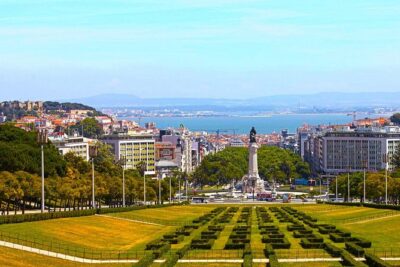
- Miradouros with real city views: Portas do Sol and Senhora do Monte do the heavy lifting for Lisbon panoramas.
- UNESCO highlights with practical access: Jerónimos and Belém are included in the route, with outside viewing for some monuments.
- Lisbon landmarks beyond the usual photos: Chiado’s Livraria Bertrand and Largo do Carmo add culture and context.
- A guide who talks through the story: many reviews highlight Domingos/Dominique’s clear explanations and good humor.
- Private group feel: it’s a private tour/activity, meaning it’s only your group.
How a Tuk-Tuk Route Makes Lisbon’s Geography Work for You
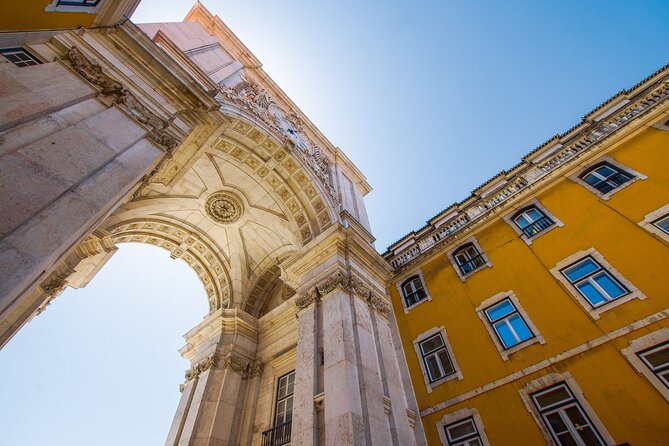
Lisbon is all hills, curves, and viewpoints. If you’re only here for a short time, walking and transferring between neighborhoods can turn into a grind. This is where a Tuk-tuk plan earns its keep. The ride structure lets you hop between areas that feel far apart on foot, but still stop often enough to make each neighborhood feel specific—not just passed through.
You’ll also get a “guided lens” rather than a list of monuments. The tour is designed around perspective changes: viewpoints first, then cultural sites, then the UNESCO riverfront. That order matters because Lisbon’s history is easier to understand when the city’s layout is fresh in your mind.
One more practical plus: the tour offers pickup and drop-off at your hotel or apartment. That removes the start-of-tour stress—especially if you’re staying slightly outside the central core. And because it’s offered in five languages (English included), you’re not stuck trying to guess what you’re looking at.
You can also read our reviews of more historical tours in Lisbon


Where It Starts: Praça da Figueira and the First Moments That Set the Tone

The meeting point is Praça da Figueira, right by the Dom João I statue. It’s a central spot and easy to orient yourself around, which helps on the day you’re trying to fit everything in.
Once you’re set, you’ll get live explanations onboard plus a local guide. This matters more than it sounds. With a Tuk-tuk format, you’re moving through city blocks quickly. A good guide turns that motion into understanding—what you’re seeing, why it’s there, and what changed over time.
From the first segment onward, the timing is very intentional. Your stops are brief—often around 10 to 15 minutes—so the guide can keep you moving while still letting you step out for viewpoints and quick sightseeing. It’s a rhythm that works best if you’re comfortable with short, focused photo/walk moments rather than long museum-style wandering.
Church of St. Anthony and Portas do Sol: Lisbon’s Story Begins With Faith and High Views
Stop 1 is the Church of St. Anthony, described here as the place of birth of one of the most famous Catholic saints. That’s a great opener because it connects religious heritage with a personal origin story—so you’re not just looking at an old building. Even with a brief visit (around 10 minutes and free admission), it sets a tone for Lisbon: layers of faith, art, and identity.
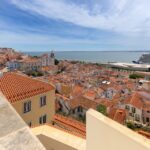
Then you pivot to one of the classic Lisbon panoramas: Miradouro das Portas do Sol. You’ll get about 15 minutes here, with a free admission stop. This viewpoint looks over the oldest Lisbon district, which is exactly what you want early in the tour. After that, “old Lisbon” stops being a vague phrase. You can start spotting the urban texture that makes the city feel dense and lived-in.
The guide’s job at this stage is to give you meaning fast—so you’re not just standing at an overlook. You’ll also notice how the route connects to the next neighborhood shift, moving from the oldest layers toward areas that later developed different roles and identities.
Graça Convent Area, Senhora do Monte, and the Viewpoint That Changes Everything
From the Miradouro das Portas do Sol direction, the itinerary points toward the Graça Convent area and the historical industrial district vibe. That’s a subtle but smart detail: Lisbon isn’t one uniform “historic look.” Different districts evolved into different functions, and viewpoints help you sense that.
The real payoff comes at Miradouro Da Senhora Do Monte. This is called Lisbon’s highlight, and the reason is practical: it’s a viewpoint where neither bus nor tram can arrive. That makes it feel earned. You’ll have around 15 minutes there, and admission is free.
Expect the kind of view that makes you stop taking photos and just stare for a moment. This is one of those Lisbon spots where the hills stop feeling like a design flaw and start feeling like the point. If you’re the kind of traveler who likes learning how a city’s physical form shaped its history, this stop is doing more than sightseeing.
Also, time here is short. That’s the trade-off. But if your goal is to get the best city views without hours of transit, Senhora do Monte is a strong use of your limited schedule.
Alfama-to-Chiado Energy: Panteão Nacional, Ladra Market Origins, and Livraria Bertrand
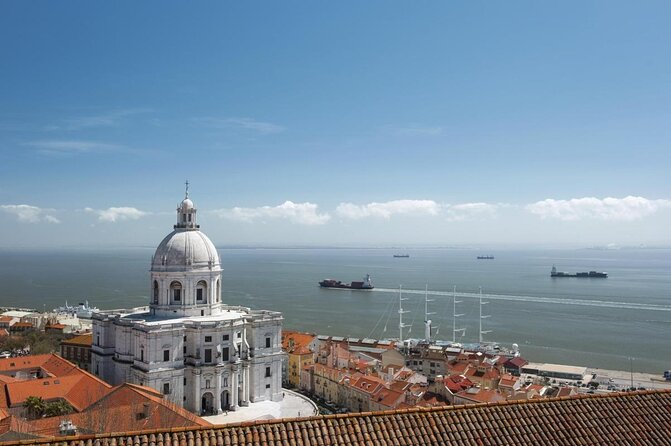
After the big skyline moment, the tour shifts from wide views to landmark specifics. You’ll pass by and discuss the Panteão Nacional area: the description notes it as an imposing monument, formerly a Baroque church, now a place of homage to historical figures. It’s also described as having a stunning dome and housing tombs of notable Portuguese personalities. This is a meaningful stop for anyone who wants Portugal’s national story, not just city landmarks.
The route also references one of Europe’s oldest flea markets: the Ladra market. It explains the naming evolution, tying it back to moors as aleadhra market and then Ladra as the language changed. Even if you’re not shopping, that kind of name-history detail is exactly what makes a “tour of places” feel like a tour of people and time.
Then comes Chiado’s Livraria Bertrand. Here, you’re at the oldest bookshop in the world, with about 5 minutes in the stop and free admission. This is where the tour adds a calmer, cultural beat. It’s not a viewpoint; it’s a Lisbon tradition. If you love old shops that still feel used—rather than staged for tourists—this short stop does a lot.
One watch-out: with stops this short, go in with a tiny plan. Decide what you want most at each stop—dome exterior versus photos versus a quick look inside a church—then don’t lose time debating mid-visit.
You can also read our reviews of more tours and experiences in Lisbon




Largo do Carmo’s Revolution Moment and the Miradouro at São Pedro de Alcântara
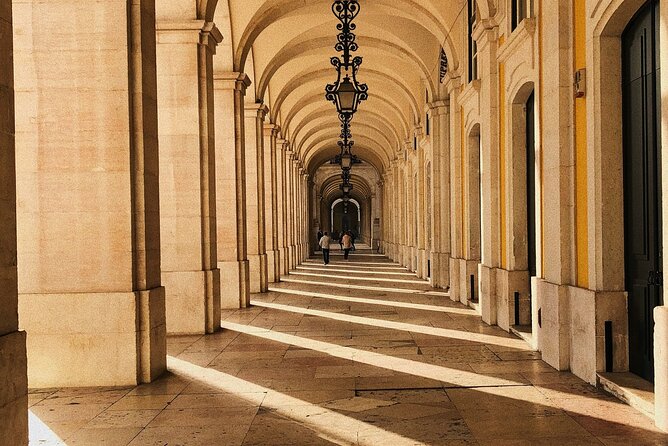
Largo do Carmo is a powerful pivot point. This stop ties to the end of the Carnation Revolution in 1974 (the 25th of April). It’s free and takes about 10 minutes, but it’s the kind of landmark that benefits from a guide’s context. Without that context, a square can feel like a square. With it, you understand why Lisbon remembers certain places.
Next is Miradouro Sao Pedro de Alcantara, a 19th-century viewpoint where you can contemplate Lisbon’s medieval area. You get about 10 minutes here, also free. This stop is a “second look” at the city. If you already saw Senhora do Monte, São Pedro gives you another angle and another set of neighborhood textures—so your brain can piece together how Lisbon’s old center sits on top of all that steepness.
Between these viewpoints, the tour also mentions a wonderful 19th-century garden. Gardens in Lisbon often act like breathing space and social stages—so even without a long linger, it helps break up the “stand and look” nature of viewpoint tourism.
Estrela to the Parliament: Basilica da Estrela, Jardim da Estrela, and Assembleia da República

Lisbon shifts again toward the Estrela area. The itinerary highlights Basilica da Estrela, described as a Baroque highlight from the late 18th century and noted for being the first Catholic temple in the world dedicated to the Sacred Heart of Jesus. You’ll have about 10 minutes here, free. This stop is good for travelers who want an art/architecture moment without turning the tour into a cathedral day.
Then you’ll spend time around Jardim da Estrela Park, about 15 minutes. This is framed as imagining a 19th-century-romantic walk through the park. Again, it’s not a long pause, but it adds atmosphere to the day—especially after viewpoint intensity and landmark history.
The tour also includes a quick look at Assembleia da Republica, the Portuguese parliament. It notes the site’s evolution: a big monastery by the 16th century, then becoming Lisbon’s democratic space in the early 20th century. Expect a short stop (around 5 minutes). This is the kind of place where you benefit from quick, accurate explanations about how buildings change roles while the city’s politics and identity evolve.
As a practical note, this middle section is where the tour feels most “local.” It’s not only postcard sights. You’re also looking at how Lisbon functions—its religious landmarks, public spaces, and civic identity.
Jerónimos Monastery and Belém Tower: UNESCO Highlights Without the Full-Day Trap

Now you reach the UNESCO portion of the route, and the schedule becomes especially useful. You’ll get Mosteiro dos Jeronimos, described as a magnificent example of Manueline architecture, with impressive details and sculptures and ornaments showing the wealth and devotion of the era. It’s also described as tied to the age of Portuguese Discoveries and housing tombs of prominent figures.
The stop includes about 15 minutes, and the itinerary states you can visit the Church for free as long as there is no waiting line. That’s important. If the line is long, your “free” plan may not work the way you imagined. This is a good example of why a guide matters: they can help you interpret what’s realistically worth your time in a short window.
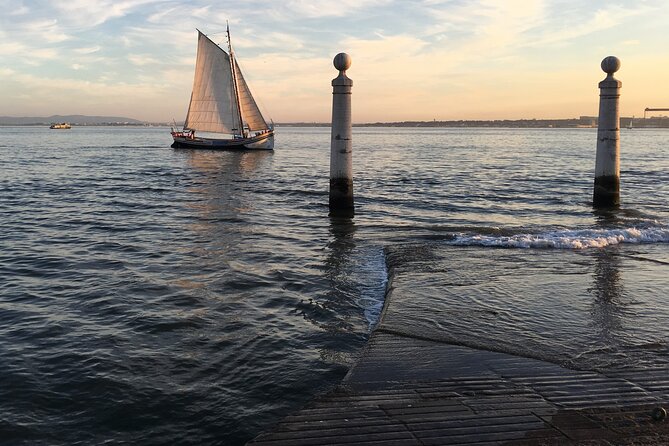
Next is Torre de Belém. This is treated as an outside viewing stop (about 15 minutes), with admission free. The description emphasizes Gothic and Manueline mix and its fortified, maritime defense origins, plus its location on the Tagus River and UNESCO World Heritage status. Outside viewing is often a smart choice in Lisbon anyway because the timing is what you’re paying for here. You get the iconic look without turning your half-day into a queue-and-wait problem.
Finally, you’ll see the Padrao dos Descobrimentos, also viewed from the outside for about 15 minutes. It’s described as an imposing monument celebrating the Age of Portuguese Discoveries, with a stylized caravel shape and a viewpoint.
Price and Timing: What $288.99 Buys You in Real Terms
At $288.99 per person, you should treat this as a value play, not a cheap sampler. You’re paying for a private Tuk-tuk experience with a local guide, live onboard explanations, group insurance, and hotel/apartment pickup and drop-off. If you compare that to piecing together multiple transport hops plus separate paid tours, the math can start to make sense—especially for first-time visitors who don’t want to waste energy figuring out the city.
The itinerary also includes many free stops on the schedule, which helps your sightseeing budget. But not everything is covered. Entrance fees listed as not included include Lisbon Cathedral (€5 for adults, €3 for children 5–12) and the Discoveries Monument (€8.50 adults, €5 for ages 13–25). Jerónimos Church can be free if there is no waiting line, but that depends on what you face that day.
The other timing factor is the short-stop approach. This tour is ideal if you want a guided “hit list” with meaningful context. If you’re the type who wants to linger inside churches or take your time on major monuments, you’ll need a longer stay or add separate visits on other days.
Who Should Book This Half-Day Tuk-Tuk History Tour?
This tour is a strong match for:
- You if you have limited time and want UNESCO-level Lisbon plus miradouro views.
- You if you like learning through a local guide’s story, not just checking boxes.
- You if you want a non-stress plan with pickup/drop-off and a private-group feel.
It may be less perfect if:
- You’re aiming for long indoor museum time at every stop.
- You want guaranteed entry to specific interiors regardless of lines, since some moments depend on waiting lines and some monument viewing is planned from the outside.
The reviews tie consistently to the guide experience. Domingos and Dominique are repeatedly singled out for strong explanations, humor, and helping you feel comfortable and safe. That’s not a small thing in Lisbon. A good guide can turn a hilly route into an easy day.
Should You Book This Tuk-Tuk History Tour?
If you’re visiting Lisbon for a short window and you want to see the city’s main layers—views, royal-era/faith landmarks, political history touchpoints, and the UNESCO riverfront—this is a practical way to do it. The pickup, private-group setup, and fast, guided stop structure are the real value.
I’d book it if you want a guided overview that helps you plan the rest of your trip. I’d skip it (or pair it with a longer second day) if your travel style is slow and museum-heavy.
FAQ
What’s the duration of the Lisbon Half-Day Unforgettable Historical Lisbon on Tuk-Tuk?
It runs about 3 to 4 hours, and that total duration includes travel time.
Does the tour offer hotel pickup and drop-off?
Yes. Reception and drop-off at your hotel or apartment are included, and pickup details are provided before the meeting point.
Where does the tour start and end?
It starts and ends at Praça da Figueira, 1100-241 Lisboa, Portugal. The meeting spot is near the Dom João I statue.
Is this tour private?
Yes. It is listed as a private tour/activity, meaning only your group participates.
What languages is the tour offered in?
The tour is offered in English and is also offered in five languages.
Are museum or monument entrances included?
Many stops are free to visit in the itinerary, but some entrances are not included. Lisbon Cathedral and the Discoveries Monument have listed entrance costs and are not included.
Can I visit the Jerónimos Monastery Church for free?
The Church at Jerónimos can be visited for free as long as there is no waiting line.
What is the cancellation policy?
Free cancellation is available up to 24 hours in advance for a full refund.
If you want, tell me your travel dates and where you’re staying in Lisbon. I can help you map this route against where you’ll be spending the rest of your days.