REVIEW · CITY TOURS
City Centre Run – Running tour
Book on GetYourGuide →Operated by Lisbon City Runners · Bookable on GetYourGuide
Lisbon by running beats sightseeing on autopilot. This city-centre run pairs an easy warm-up with a proper hill, then layers in stories about neighborhoods shaped by the 1755 earthquake and the city’s Manueline monuments. I love that you’re not just looking at Lisbon, you’re moving through it with an experienced guide, and I also love the practical guidance that helps you plan the rest of your trip. One catch: the route includes a long climb, so it’s not a casual stroll.
You’ll cover major areas like Baixa, Chiado, Bairro Alto, and Alfama, with the tour timed to help you see the streets before the biggest tourist crowds arrive. With Lisbon City Runners, you’re in hands that have been doing this for more than 10 years, and guides such as Nuno and Pedro are praised for being friendly and prompt, with tips beyond the run itself.
In This Review
- Key points to know before you lace up
- Lisbon On Your Feet: How a 90-Minute Run Turns into Orientation
- Route Walkthrough: Baixa, Chiado, Bairro Alto, Alfama in One Session
- Starting in Baixa: smooth start, easy breathing
- Moving into Chiado: architecture notes you can actually see
- Bairro Alto: energy, angles, and the lead-up to the climb
- Alfama: where the effort pays off
- The Hill and the Two Main Sights: Where the Work Turns Worth It
- The descent on Avenida de Liberdade
- Guide Power: What Nuno and Pedro Get Right on This Run
- What You Get for $53: Value That Actually Helps You
- Practical Tips for Running Lisbon Without Turning It Into a Chore
- Who This Tour Fits Best (And Who Should Skip It)
- Should You Book the City Centre Run?
Key points to know before you lace up
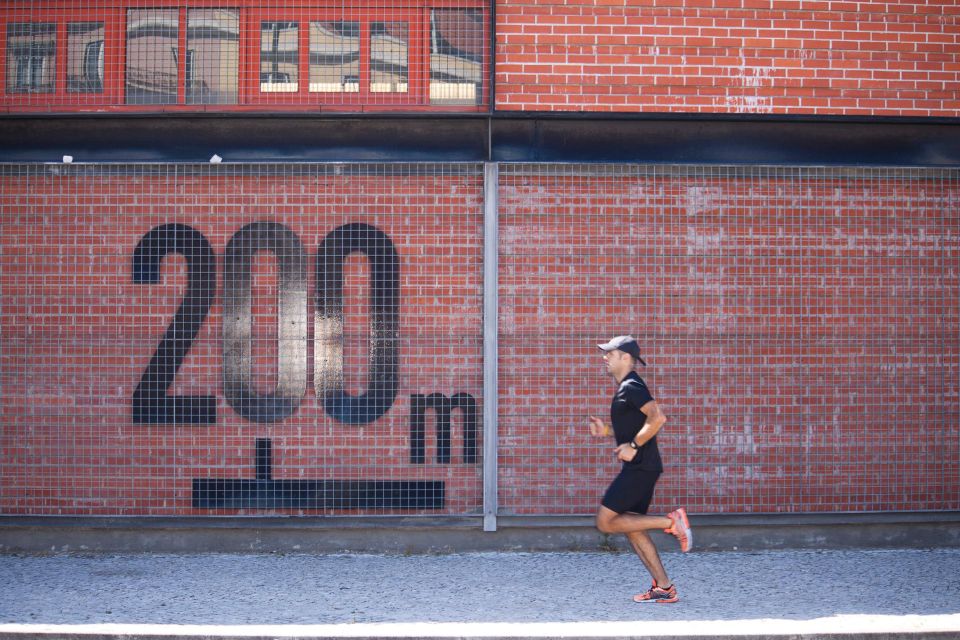
- Private-group pacing: you’re not stuck in a big herd.
- Flat first, then a climb: plan for effort after the warm-up.
- Four classic neighborhoods: Baixa, Chiado, Bairro Alto, and Alfama in 1.5 hours.
- Earthquake-era Lisbon theme: rebuilt architecture is part of what you’ll notice.
- Photos and water included: small perks that make the whole thing easier.
- Guide-led safety: the route is designed to keep you comfortable running around the centre.
Lisbon On Your Feet: How a 90-Minute Run Turns into Orientation
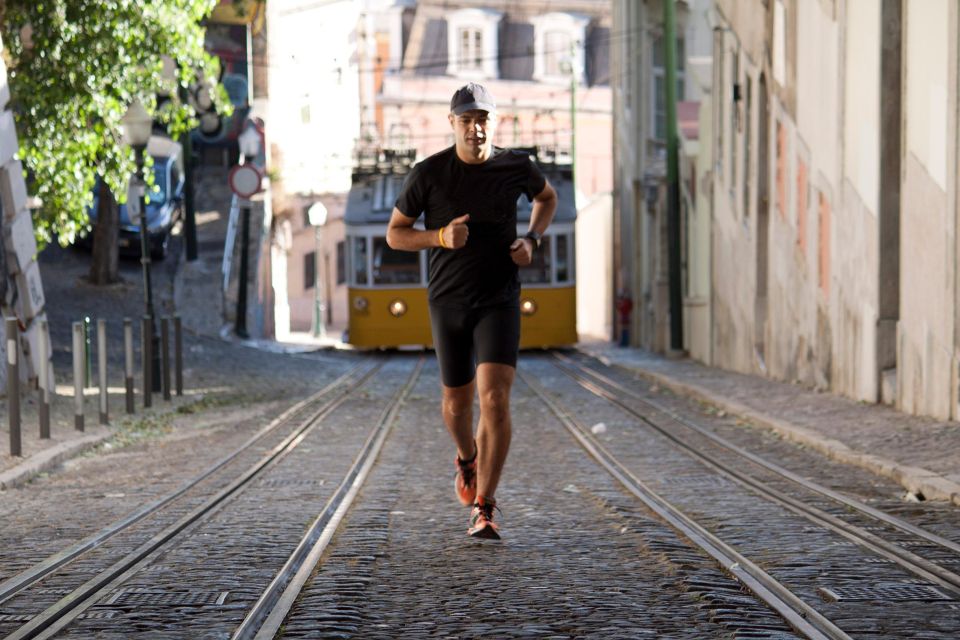
A lot of Lisbon tours are built around standing still. This one is built around moving. That sounds simple, but it changes how the city lands. When you run, you notice street shape, the rhythm of intersections, and how neighborhoods connect. It also gives you a fast sense of direction without feeling like homework.
The tour lasts 1.5 hours, which is just long enough to feel like you got somewhere. You start in the city centre and keep your momentum as the route links major districts. If you’re the type who likes to get your bearings early, this is a smart first-arrival activity. The highlight about exploring before the tourists arrive matters because it makes the streets feel more local and less staged.
Value-wise, the experience doesn’t just sell exercise. It sells guidance. You get a local English-speaking guide, water, and photos, which matters more than it sounds when you’re already busy watching where you step. And the price point of $53 per person feels reasonable because you’re paying for route planning, a guiding brain, and the “see it now” timing that you can’t easily recreate on your own without risk.
The big practical consideration is fitness. The tour’s first part is flat, but later you’ll face a long climb to reach two of the city’s most breathtaking sights. You don’t need to be an Olympian, but you should be ready to work.
You can also read our reviews of more city tours in Lisbon


Route Walkthrough: Baixa, Chiado, Bairro Alto, Alfama in One Session
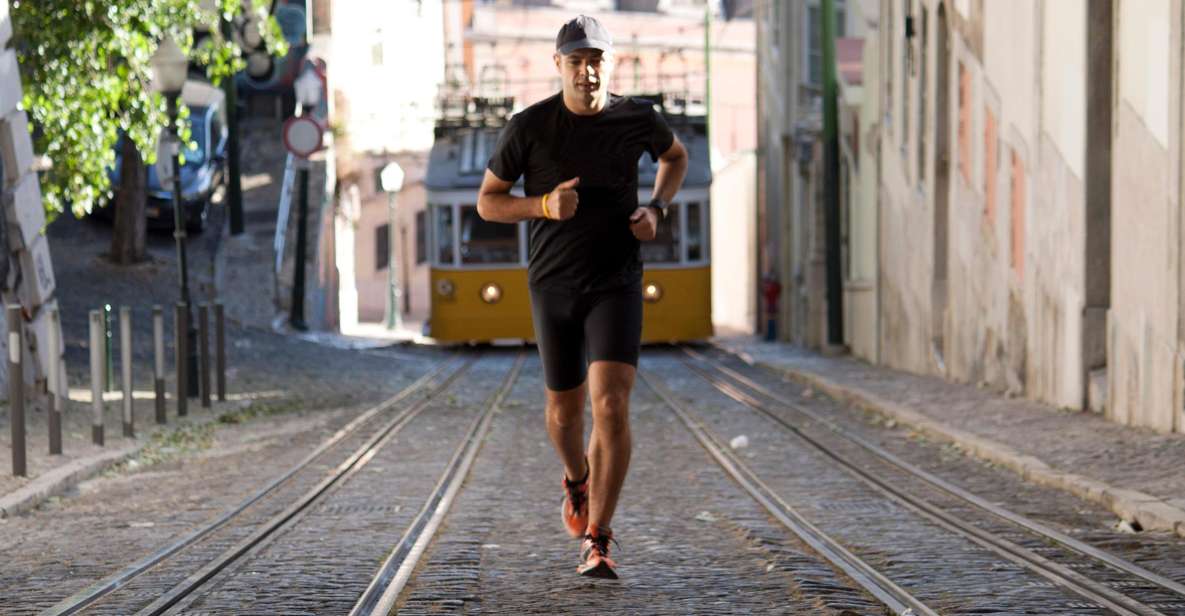
This isn’t a point-to-point route where you sprint between landmarks and never really learn the neighborhoods. The running tour is designed as a loop through the most recognizable areas of central Lisbon: Baixa, Chiado, Bairro Alto, and Alfama.
Starting in Baixa: smooth start, easy breathing
You begin with the flat section. That’s the tour’s gift. You can get comfortable with pace, loosen up your legs, and let the guide set the tone. Baixa is where the tour’s “rebuilt Lisbon” idea starts to make sense in real life: you’ll be paying attention to the architecture that came from the city’s reconstruction after the 1755 earthquake. Even if you don’t memorize details, you’ll start noticing how the urban layout feels planned and orderly compared to the steeper districts.
Why this matters for you: the flat opener helps you enjoy the history without arriving already exhausted.
Moving into Chiado: architecture notes you can actually see
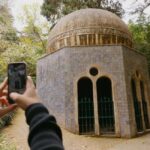
From Baixa, the route continues through Chiado, a district where the feel shifts from wide, straight movement into more interesting street textures and viewpoints. This is where the tour leans into sightseeing that’s tied to what the city rebuilt and what it chooses to show off. The guide focuses on architecture and the Manueline monuments you’ll encounter along the way.
Possible drawback: if you’re expecting flat and easy the whole time, the experience won’t match that. The tour is designed to reward effort, not protect your ankles.
Bairro Alto: energy, angles, and the lead-up to the climb
Next comes Bairro Alto. This part of Lisbon usually has more character in the way streets curve and viewpoints pop up. As the tour progresses, you’re not just traveling forward. You’re building up toward the longer uphill segment that the guide describes as essential to seeing the best sights.
Think of this section as transition time. Your legs should start feeling the difference, and you’ll want to keep a steady rhythm so the climb later feels manageable rather than shocking.



Alfama: where the effort pays off
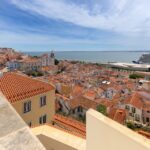
Finally, you reach Alfama, a district that tends to feel older, denser, and very Lisbon. The tour uses Alfama as a key part of the experience, which makes sense because it’s one of the places where the city’s layered history becomes obvious through what you see and how you move. This is also the area tied to the tour’s more dramatic sightseeing moment, which happens after the long climb.
In other words: you earn this neighborhood. And then you get to enjoy it.
The Hill and the Two Main Sights: Where the Work Turns Worth It
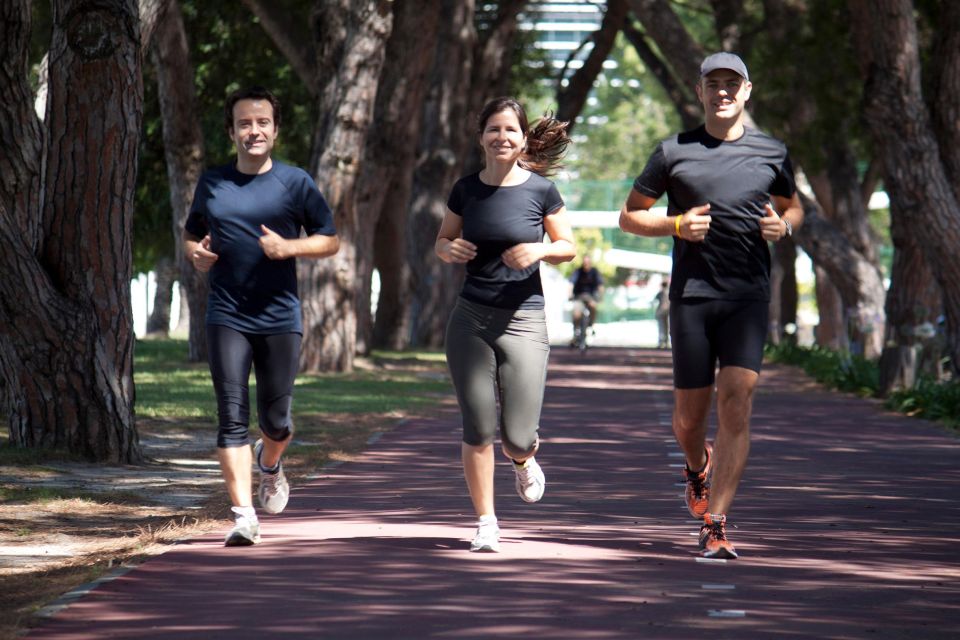
Here’s the part you should respect: the first section is flat, then you’ll hit a long climb to reach two major sights. The tour description calls these among the most breathtaking in Lisbon, and the way the route is designed suggests the guides don’t want you doing the climb just to say you climbed. They want you doing it because the view and sight are the point.
For you, this is the make-or-break detail. If you can handle a steady uphill push and you don’t mind heavy breathing for a few minutes, you’ll feel great when the climb leads to the payoff. If you prefer steady walking-level effort only, this tour might feel like too much.
The descent on Avenida de Liberdade
After the climb and sightseeing time, the tour ends with a descent of Avenida de Liberdade. That matters more than it sounds. Descents let your legs recover while still moving through a big, iconic Lisbon corridor. You finish with momentum, not a standstill.
A small safety note, without turning this into a lecture: downhill running is different from uphill effort. Keep your stride controlled and let the guide set the pace.
Guide Power: What Nuno and Pedro Get Right on This Run
The tour experience is clearly guided, and the guides are a big reason people rate this so highly. Names like Nuno and Pedro show up in the praise, and the common themes are easy to understand: prompt timing, friendly energy, and real Lisbon passion.
This is not just someone telling you where to stand. You’re running with the guide, which changes the dynamic. Instead of information delivered at a slow walking pace, you get quick context that fits the route. That’s why you can leave with a stronger picture of Portugal and Lisbon without sitting through a lecture.
One standout element in the feedback: guides go beyond history. They also offer food and activity recommendations, which is incredibly practical. When you’re short on time, a guide who can point you toward good next steps saves you from the guesswork spiral.
What you should look for in a guide like this:
- clear instructions that keep you confident
- an easy, supportive tone when the route turns uphill
- helpful suggestions for what to do after the run, not just what to see during it
Lisbon City Runners has more than 10 years of experience, and that shows in the fact that the tour is structured like a safe moving route, not a random jog through the city.
What You Get for $53: Value That Actually Helps You
Let’s talk value without pretending it’s magic. $53 per person for 1.5 hours is the kind of price that makes sense when you consider what’s included and what it replaces.
You’re paying for:
- a local guide leading your route
- water during the run
- photos so you don’t have to rely on awkward selfies while jogging
- a planned route that connects multiple neighborhoods in one stretch
- pickup included, with the route adapted based on where you’re staying
Pickup is a big deal here. The tour tries to start and finish from your place. If that’s not possible, you’ll be driven to the start point, and at the end you’ll be driven back. That reduces friction. Instead of spending your morning navigating transport and “getting to the trailhead,” you show up ready to run.
The private-group format also boosts value. It’s easier to stay together, ask questions, and keep the pace aligned with the group.
If you’re early in your trip, this kind of orientation can pay off. You learn where neighborhoods are relative to each other, you get a feel for the slopes, and your guide points you toward food and activities that fit the areas you just ran through. That’s the real payoff, not just the 11 kilometers of scenery you get along the way.
Practical Tips for Running Lisbon Without Turning It Into a Chore
You’ll have water and a guide, which helps. But you still control the biggest variables: comfort and pacing.
Wear:
- running shoes you trust on uneven pavement
- clothing that won’t overheat when the climb starts
Think about pacing:
- use the flat section to lock in a comfortable rhythm
- plan mentally for the long climb so it doesn’t feel sudden
Bring a simple attitude:
- Lisbon runs well when you respect the hills
- the descent at the end is part of the plan, not something to rush
Also, if this is your first morning in Lisbon, keep expectations realistic. You’ll be energized, but you’ll also have legs working. The best strategy is to pair this with lighter plans afterward, so you can enjoy dinner and explore at your own speed.
Who This Tour Fits Best (And Who Should Skip It)
This tour is ideal if you want a combination of exercise and city orientation, not a slow museum-style day. The route format makes it especially good for:
- travelers who like active tours
- people who want to see multiple central neighborhoods in a single outing
- visitors who benefit from local guidance and practical recommendations
It’s not for everyone. It’s also not suitable for children under 18, and it’s built around a route with a long climb. If you dislike uphill effort, or you’re nursing an injury, you’ll probably want to choose a different style of sightseeing.
The private-group format is a plus if you want a more personal pace and a guide you can talk to without competing with a large crowd.
Should You Book the City Centre Run?
If you’re on the fence, here’s the decision rule I’d use. Book it if you can handle a steady climb and you like the idea of learning Lisbon while you move through it. The combination of guided neighborhood coverage, earthquake-era architecture themes, Manueline monuments, and the ending descent of Avenida de Liberdade is a very “use your time wisely” way to experience the city.
Skip it if hills and running don’t sound fun to you. Lisbon’s slopes are real, and this tour leans into that instead of avoiding it.
One last smart tip: if you can, schedule it early in your trip. The tour’s goal of helping you explore before the big crowds and giving you food and activity ideas works best when you still have days left to use what you learn.