
REVIEW · CASCAIS
Cascais: Flexible Walking Tour in Historic Center
Book on GetYourGuide →Operated by Travelbox, Lda. · Bookable on GetYourGuide
Cascais works best when you wander. This Walkbox tour uses a phone audio guide to take you through a 5.5 km loop, with stories and prompts that play automatically as you go. I like that you control the tempo end to end, so you can pause for views or linger at a museum doorway without feeling rushed.
Two things I also really liked: the Citadel area and its 10-museum cluster, and the way the route strings together the Old Town streets with major seaside stops. You’ll get street-art viewing built into the walk, plus named sights you can plan around.
One consideration: there’s no live guide. If you’re the type who expects every landmark to be called out perfectly, you might miss a church detail or two unless you slow down and keep an eye on what’s around you.
In This Review
- Key highlights worth planning for
- Starting at Cascais Train Station and working your way toward the bay
- The Citadel and the museum cluster you can actually tackle on foot
- Old Town alleys, the Yellow Streets, and the 14-piece street art route
- Marina, Santa Marta Beach, and the Lighthouse Museum area
- Condes de Castro Guimarães Museum, Paula Rego, and the Museum Quarter
- 5 de Outubro Square, finishing at Rainha Beach, and planning your timing
- Price, value, and what you’re really paying for
- Who should book this walk, and who should skip it
- Quick practical checklist before you start
- Should you book this Cascais Walkbox tour?
- FAQ
- What language is the Walkbox audio available in?
- Does it work offline?
- How long is the route, and how much walking is it?
- Is there a live guide with this tour?
- Are museum or attraction tickets included?
- Where does the tour start and end?
- What do I need to bring to do the tour?
Key highlights worth planning for
- Offline Walkbox audio that plays automatically, in English and also Portuguese, French, and Spanish.
- Citadel + museums on a single walking loop, including stops tied to the Lighthouse Museum and Condes de Castro Guimarães Museum.
- 14 street-art works spread around the historic center for people who like visual culture on the street.
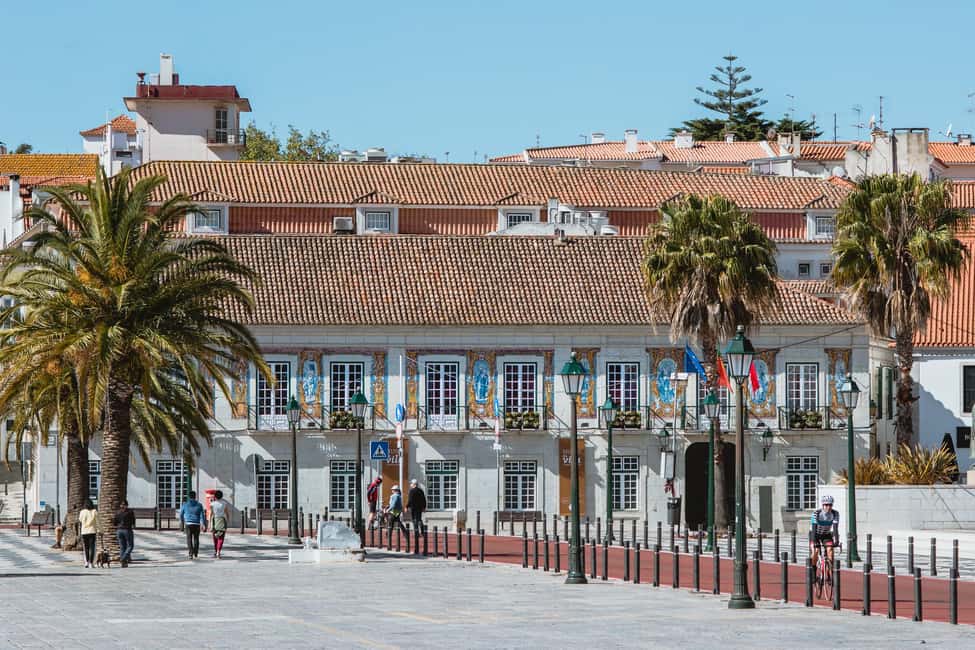
- A route that hits Old Town alleys, Yellow Streets, and squares, then finishes by the sea at Rainha Beach.
- A long list of 60+ points of interest, so you can choose which museum doors to actually enter.
Starting at Cascais Train Station and working your way toward the bay
Your tour begins (and ends) at the Cascais train station, which is a smart move for a self-guided route. It means you can arrive when you like, then keep your day simple: get your bearings fast, follow the audio prompts, and return to the same place when you’re done.
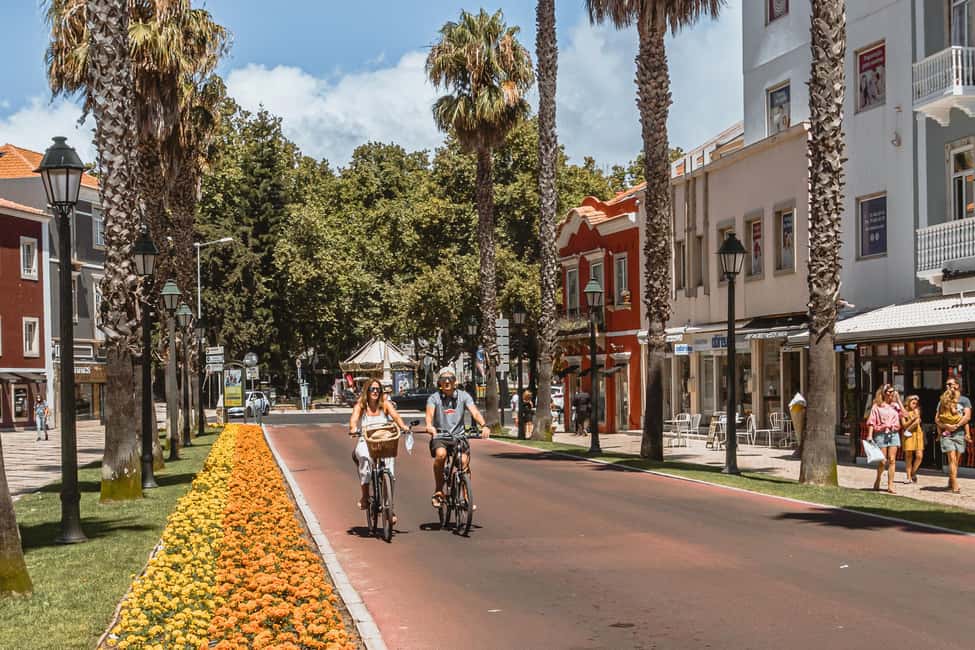
From there, the walk leads you through busy streets and town squares on your way toward Cascais Bay. The pacing matters. This is not a “one stop only” experience. The app is designed for you to move step by step, but you can pause. I like that for a coastal town, because the sea views are best when you’re ready for them, not when a schedule forces you to rush past.
Also, since it’s an audio tour, you’ll feel like you’re exploring with a friend who knows small stories. The tour language options are practical: you can pick English, Portuguese, French, or Spanish and still hear natural-sounding guidance while you walk. Even better, it works offline, so you’re not burning battery or hunting for signal when you step behind a building or down an alley.
Tip for your first 15 minutes: start with your phone charged and volume comfortable before you set off. If you’re fiddling with settings mid-route, you’ll lose the flow of the story prompts.
You can also read our reviews of more walking tours in Cascais


The Citadel and the museum cluster you can actually tackle on foot
As you ascend, you reach the Cascais Citadel—the tour’s big historical anchor. What makes this area especially useful is that it’s surrounded by an extraordinary collection of 10 museums. Even if you don’t have time to enter all of them, the concentration changes your visit. You’re not wandering into random buildings; you’re moving through an actual museum quarter, where you can pick based on interest and time.
The audio guide’s job here is to help you connect what you see with the context you care about. You’ll hear historical anecdotes and local legends, plus little-known facts about places along the way. That matters because coastal fortifications and old-town layouts can feel confusing if you only see them from the outside. The tour helps you interpret the space as you climb.
Practical note: since tickets to paid attractions aren’t included, you’ll want to decide early which museums you want to enter. The tour includes prices and opening hours where applicable, which is helpful for planning. If a museum is closed, you can still enjoy the walk and move on without feeling like you wasted time.
A good strategy: pick one “must-enter” museum in the Citadel zone, then keep the rest as optional strolls. This keeps the walk enjoyable instead of turning it into a checklist.
Old Town alleys, the Yellow Streets, and the 14-piece street art route
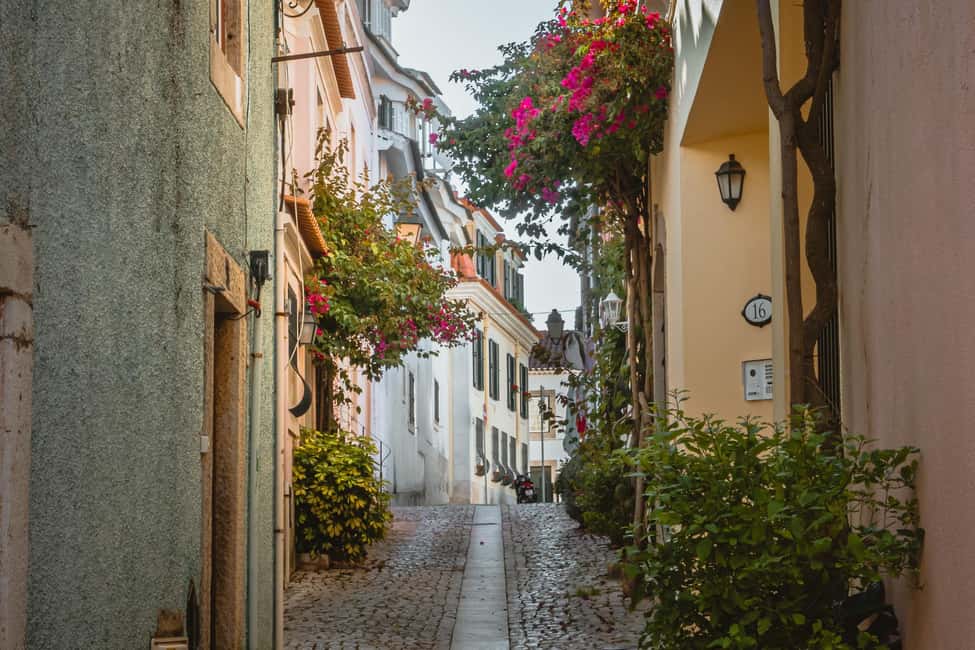
Once the Citadel portion settles your mind with big context, the walk shifts into the scale of human streets. You’ll spend time in the oldest area of Cascais, where narrow lanes and charming corners make the town feel intimate. This is where a self-guided audio tour really shines: you can stop when something catches your eye—an old doorway, a small chapel area, a viewpoint down a passage—without having to wait for anyone else.
Then there’s the part many people will love on sight: the Yellow Streets. Expect lanes and streetfronts with lots of restaurants and terraces. This section is ideal for a casual break, not a strict “photo then move” stop. If you want a snack or a coffee mid-walk, this is a good place to do it since the surroundings are built for it.
And yes, street art is part of the deal. The tour includes 14 street art works placed throughout the historic center. If you like seeing art in context—on walls where locals actually live—this can be a fun way to experience the town’s personality without needing a museum ticket for every stop.
One small caution based on how these audio routes can behave: if you care about specific buildings like churches, don’t assume every religious site will be flagged in a way that grabs your attention. Go slower here. Look up. Let the audio play, but also use your eyes.
Marina, Santa Marta Beach, and the Lighthouse Museum area
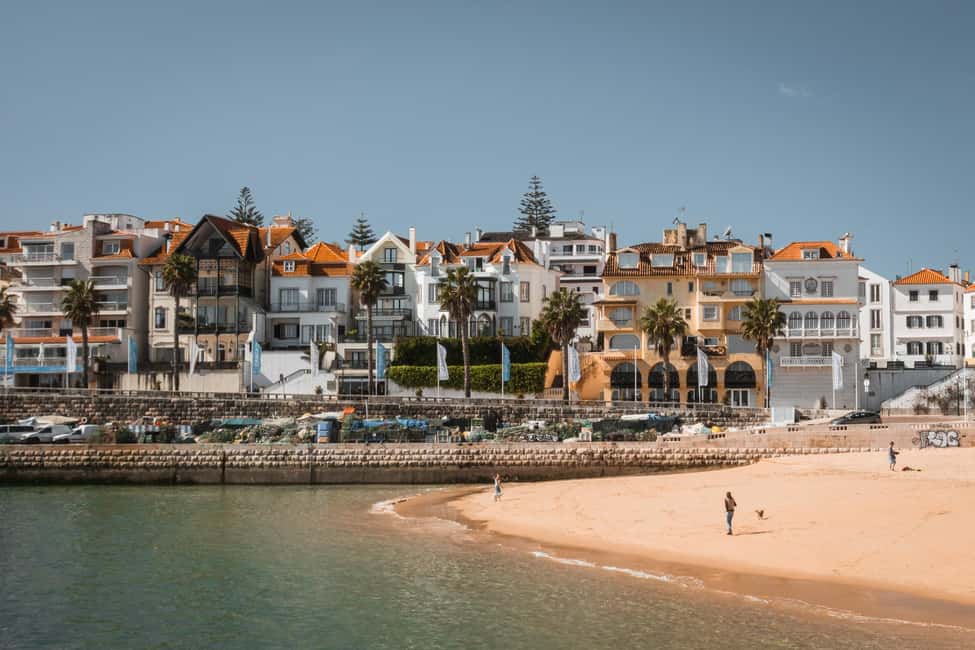
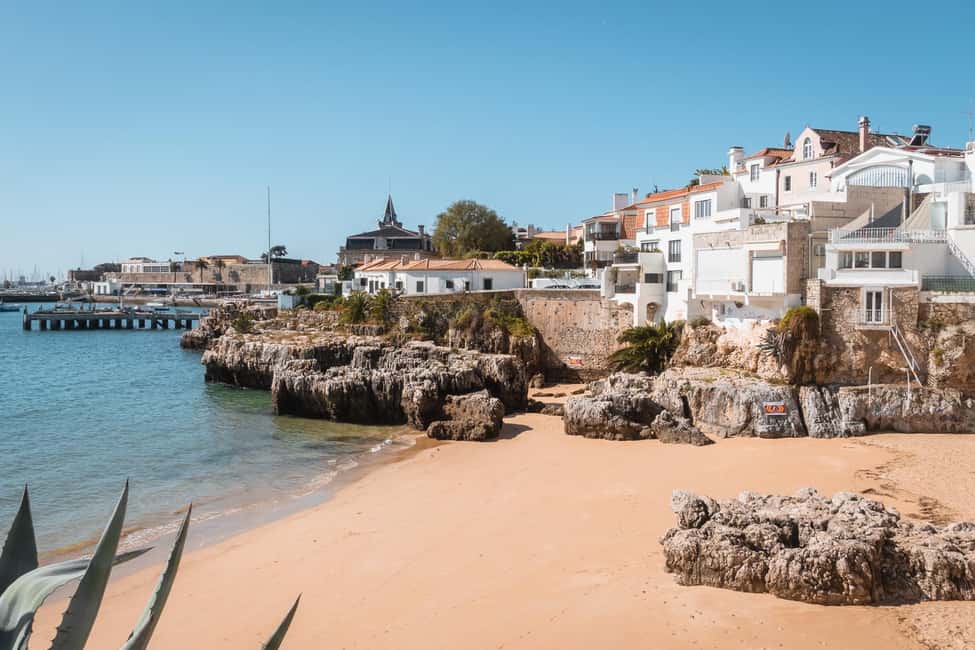
After the Old Town lanes, the route shifts back toward the water, carrying you to the Marina and then onward toward Santa Marta Beach. These sea segments help break up the inland walking with open space and better photo angles. They also give you a mental reset if you’ve been climbing and descending earlier.
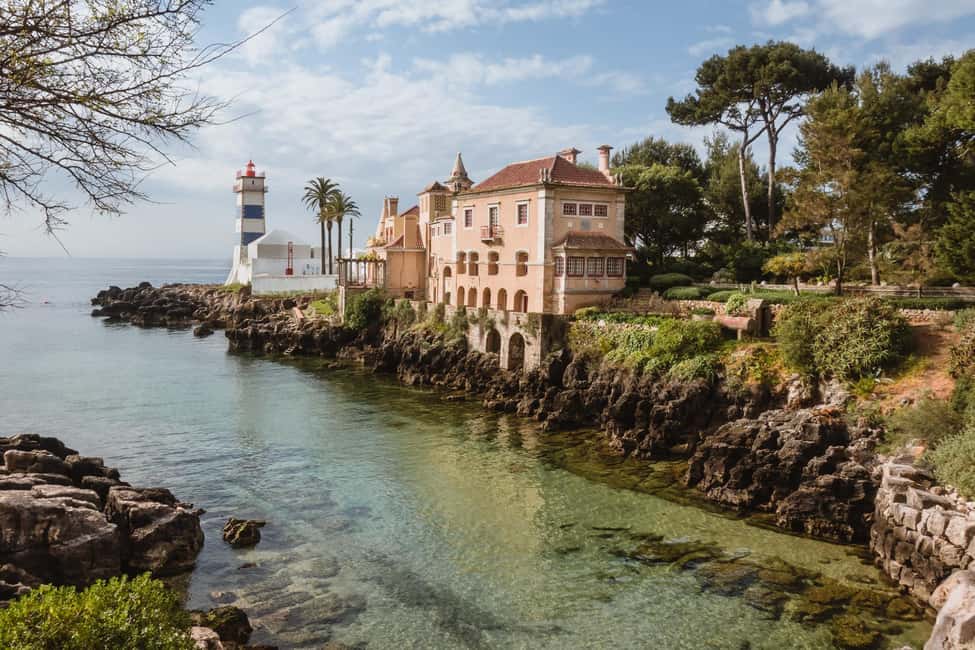
The walk also includes the Lighthouse Museum, which is one of the tour’s key “anchor points” for people who want more than street-level strolling. Even if you don’t enter every museum, the Lighthouse Museum stop helps you understand how the coastline shaped the town—navigation, safety, and the practical life of a coastal community.
When audio tours do this well, they don’t just recite facts. They help you notice details you might otherwise overlook: how structures relate to the shore, why certain sightlines exist, and what role the area played historically. That’s the kind of context that makes a seaside town feel more than scenic.
If you plan to enter the Lighthouse Museum, do it before you’re too tired. Coastal walks can trick you—your energy feels fine until you’re standing in line, inside, reading signs, then you have to walk back out again. If you want an easy day, keep museums to one or two entrances and use the other stops for photos and viewpoints.
Condes de Castro Guimarães Museum, Paula Rego, and the Museum Quarter
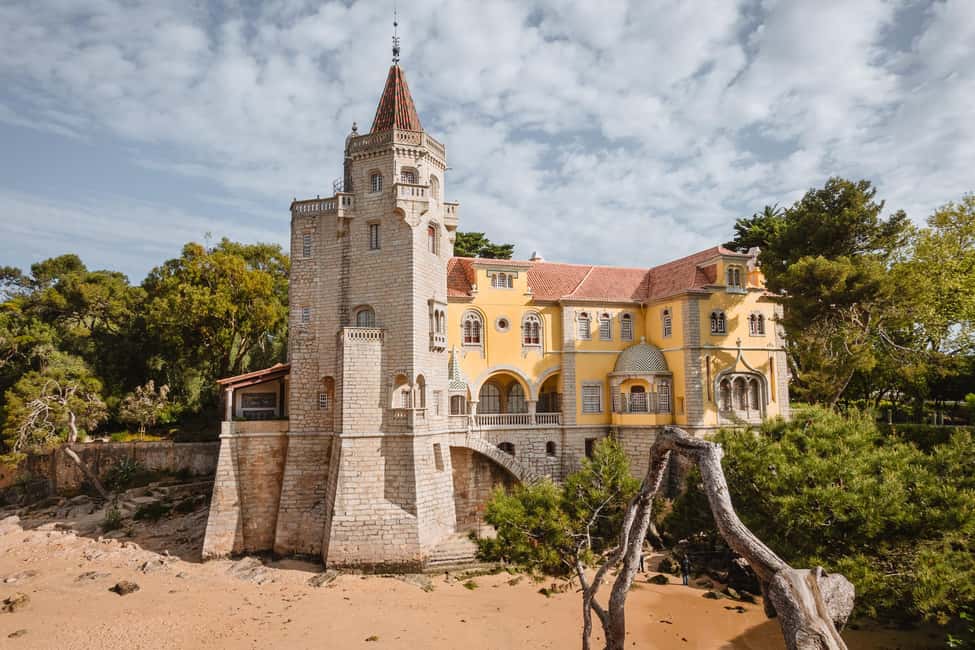
As you move through the next stretch, the tour sends you to the Condes de Castro Guimarães Museum and then into the Museum Quarter. This is a logical sequence: first a major landmark museum stop, then a cluster of related areas where you can choose how deep to go.
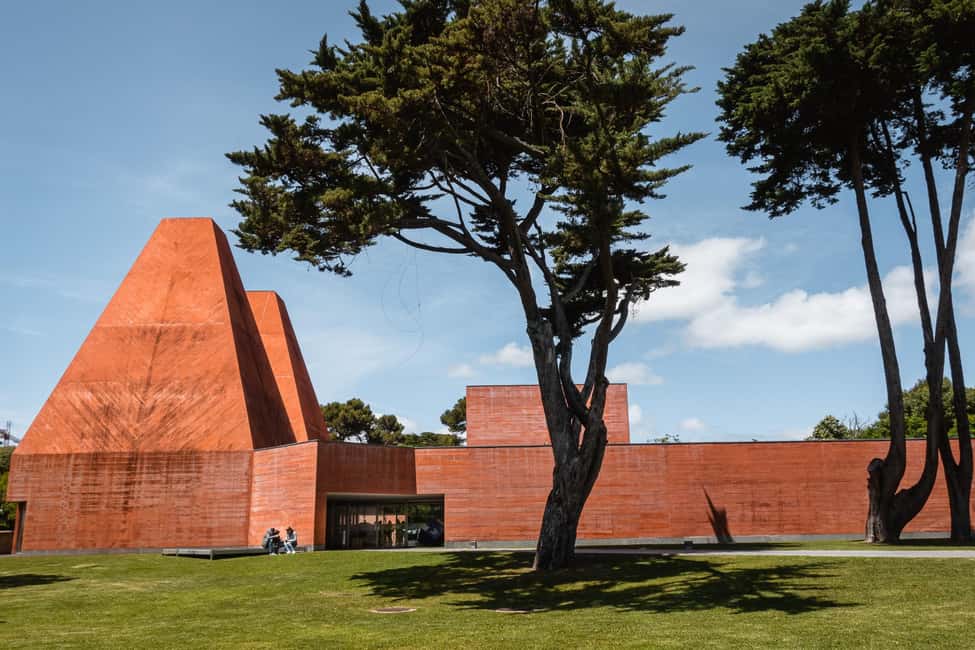
From there, the route continues to Paula Rego’s Casa das Histórias. If you’re a fan of contemporary storytelling and character-driven art, this is a standout. Even if you’re not, it’s still valuable because it gives the walk a modern cultural pulse after the older streets and fortifications.
The payoff of threading these sites together is timing. You’re not randomly searching around town for a specific museum. You’re walking a route designed so that the museum stops feel connected, like you’re moving through chapters of one story.
Here’s how to make it work for your day:
- If you want a lighter cultural schedule, enter only one or two museums and use the rest of the route for street scenes and the seaside.
- If you like museums, treat this portion as your “concentrated hours,” because the walk is easy to follow and the distance is manageable.
The route is 5.5 km and typically takes 3 to 4 hours depending on what you stop for. So you have room to make it personal.
You can also read our reviews of more historical tours in Cascais

5 de Outubro Square, finishing at Rainha Beach, and planning your timing

The tour ends in a calm way, which I appreciate. You’ll pass by 5 de Outubro Square, then wrap up near Rainha Beach, just steps from where you started.
That finishing choice matters for two reasons. First, it prevents the day from collapsing into rushing back indoors. Second, it gives you a natural landing spot to decide if you want to extend your time in Cascais. If you still have energy, you can keep walking along the coast. If you’re done, you can head out from a place that’s easy to reach.
Timing-wise, aim to start with enough daylight if you can. Coastal towns look better in softer light, especially around the Marina and beach edges. And remember: the audio tour is designed to play as you explore, so moving too fast can make you feel like you’re leaving the story behind.
One more practical note that affects planning: you can complete the tour in full or in parts within 5 days of your booking date. That’s useful if your schedule changes. For example, if you do the Citadel and Old Town one day, you can finish the museum and beach segments another day without starting from scratch.
Price, value, and what you’re really paying for
At $7 per person, this tour is priced like an affordable add-on to your day—especially because it gives you an on-foot route with 60+ points of interest, multi-language audio, and offline access.
What makes the value feel real is what’s included beyond audio:
- The route comes with detailed insights about the points you pass.
- You get support through a curator by WhatsApp or SMS between 8:00 AM and 8:00 PM, plus emergency phone help.
- Attraction details include prices and opening hours where applicable, which saves you from guessing.
What’s not included is equally important: there’s no live guide, and paid attraction tickets cost extra. So the best value comes when you treat this as a navigation + interpretation tool, then decide museum entries based on your budget and energy.
If you’re visiting Cascais for the first time and you want structure without being herded around, this price makes sense. If you only want one or two sights and don’t care about street-level context, you might find a cheaper approach by just walking freely—but you’d lose the story and the organized route.
Who should book this walk, and who should skip it
This tour fits best if:
- You like walking at your own pace and prefer audio guidance over a group meeting spot.
- You enjoy a mix of old streets, museum areas, and public art.
- You want a simple way to cover Cascais Bay, the Citadel, and seaside finishes without overplanning.
Skip it (or be extra cautious) if:
- You need wheelchair-friendly routing. The tour is not suitable for people with mobility impairments.
- You want a person to answer questions on the spot or to point out every single landmark clearly. This experience uses an app, not a live guide.
If you’re traveling solo, this is actually a plus. You don’t wait on anyone. You can slow down when you see something and speed up when you’re trying to get through a long stretch.
Quick practical checklist before you start
You’ll want:
- Comfortable shoes
- Comfortable clothes
- A charged smartphone (bring a power bank if you’re the type who uses GPS often)
And if you’re using more than one phone in your group, note the booking detail: you book based on the number of participant smartphones that will be used, not the number of people.
Should you book this Cascais Walkbox tour?
I’d book it if you want a low-cost way to understand Cascais instead of just photographing it. The $7 price hits the sweet spot because you get offline audio, a route that connects Citadel museums, Yellow Streets, street art, and seaside stops, and enough flexibility to do it in one go or split it across days.
I’d think twice if your main goal is a guided, stop-by-stop “see everything” format with a human guide. In that case, the app approach might feel too hands-off, especially if you’re picky about being pointed to every church or smaller landmark.
If you’re comfortable wandering while listening, this walk is an easy win.
FAQ
What language is the Walkbox audio available in?
The tour content is available in English, Portuguese, French, and Spanish.
Does it work offline?
Yes. Walkbox works offline, so you can use the audio guide without relying on a mobile data connection.
How long is the route, and how much walking is it?
The tour covers a 5.5 km route and typically takes about 3 to 4 hours, depending on your pace and which stops you choose.
Is there a live guide with this tour?
No. Guidance is provided through the Walkbox app rather than a live person.
Are museum or attraction tickets included?
Tickets to paid attractions are not included.
Where does the tour start and end?
It starts and ends at the Cascais train station.
What do I need to bring to do the tour?
Bring comfortable shoes, comfortable clothes, and a charged smartphone.