REVIEW · 4-DAY EXPERIENCES
4-Day South Portugal Tour from Lisbon: Lagos, Algarve Coast, Sagres, Évora, Beja and Setúbal
Book on Viator →Operated by Cityrama · Bookable on Viator
Portugal’s south moves fast, and that’s the point. This 4-day tour strings together UNESCO Évora, the Algarve’s cliff drama at Ponta da Piedade, and sea-edge fortresses at Sagres and Cape São Vicente, all with a comfortable air-conditioned coach. I especially like the mix of guided stops plus real breathing room for you to wander Lagos and Évora at your own pace. I also like that breakfasts and 3 nights of hotel are included, so you’re not constantly recalculating your daily budget. The main drawback to watch for: there’s a moderate amount of walking and you’ll be in a group schedule, with some parts changing depending on how the days run.
If you want Portugal’s famous cities, do that another trip. This one is built for the kind of day where granite cathedrals, red-sandstone castles, Atlantic viewpoints, and a Serra da Arrábida drive all show up on the same itinerary. I think the highlight is how the guide connects places across centuries, from Roman temples to 15th-century exploration-era fortifications. Just note the dress code for churches and selected museums: plan clothing that covers knees and shoulders, or you may get turned away.
In This Review
- Key things to know before you go
- A 4-day South Portugal hit list, starting in Lisbon
- Entering Évora the right way: Sé Cathedral, St. Francis, Bones Chapel, Roman temple
- Dress code heads-up for Évora
- Beja and Silves: the inland-to-Algarve switch you feel in the scenery
- Lagos and Ponta da Piedade: cliffs, lighthouse views, and a bit of breathing room
- Sagres and Cabo São Vicente: fortresses at the edge of the continent
- Setúbal and Serra da Arrábida: waterfront life and a Natural Park return-to-Lisbon drive
- Hotels, breakfasts, and what’s not included (so you plan dinner without stress)
- Coach time, walking, and the dress code reality check
- Who this tour fits best (and who should pick something else)
- Should you book this 4-Day South Portugal Tour from Lisbon?
- FAQ
- How long is the tour?
- Where do I meet the tour?
- Is hotel pickup offered?
- How many nights of accommodation are included?
- Are breakfasts included?
- Are lunch or dinner included?
- Is there a bathroom on the coach?
- What’s the dress code?
- How much walking should I expect?
- What’s the cancellation window for a full refund?
Key things to know before you go
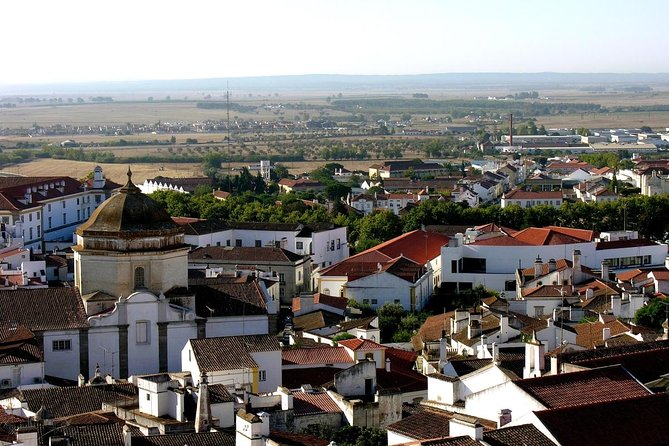
- Évora first day, UNESCO sites in a tight sequence: Sé de Évora Cathedral, Igreja de São Francisco, Chapel of Bones, and the Roman Temple of Diana.
- A coach that keeps you comfortable: air-conditioned vehicle, pickup on day 1, and organized timing across multiple towns.
- Atlantic-coast photo stops with built-in viewpoints: Ponta da Piedade Lighthouse and the route along the dramatic Algarve coast.
- Sagres and Cape São Vicente focus on fortifications: São Vicente Fortress, plus Cabo São Vicente area viewpoints tied to maritime defense.
- Setúbal + Arrábida on the return to Lisbon: waterfront, historic center feel, then a Natural Park road with Tróia Peninsula views.
- One included wine tasting stop: Azeitão at José Maria da Fonseca, included in the itinerary.
A 4-day South Portugal hit list, starting in Lisbon
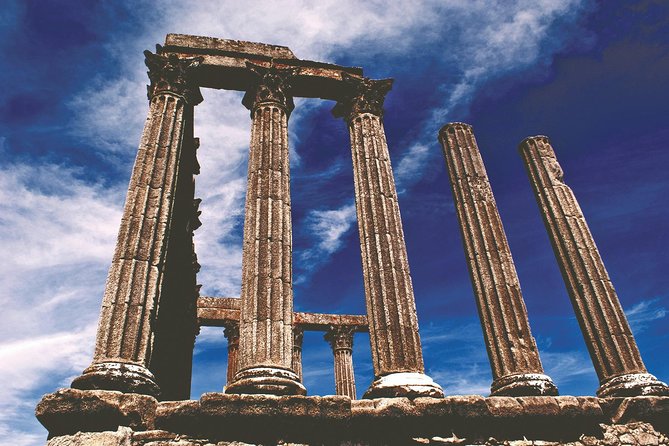
This tour starts in central Lisbon and immediately trades city pace for southern rhythm. You meet your guide, hop onto an air-conditioned coach, and the days unfold as a chain of towns—Évora inland first, then Beja and Silves as you head toward the Algarve, then Sagres and Cape São Vicente at the far southwest, and finally Setúbal and Serra da Arrábida on the way back.
That structure matters because it saves you from logistical headaches. You don’t need to rent a car, map bus connections, or figure out parking at busy viewpoints. In exchange, you accept a group schedule and a few longer stretches of seated travel.
One more practical note: the coach does not have a toilet. You’ll want to time snacks and water around stop times, especially if you’re sensitive to long bus legs.
You can also read our reviews of more tours and experiences in Lisbon

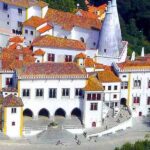
Entering Évora the right way: Sé Cathedral, St. Francis, Bones Chapel, Roman temple
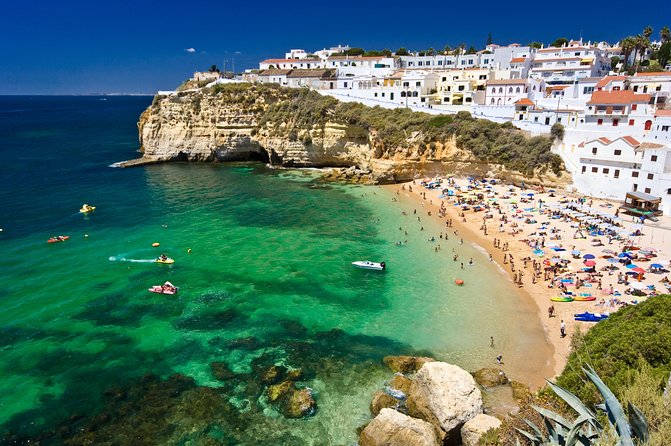
Évora is where this trip earns its keep. It’s also where you get the strongest concentration of major sites in just one day, which is great if you like your history organized and explained.
Here’s how Day 1 lays it out:
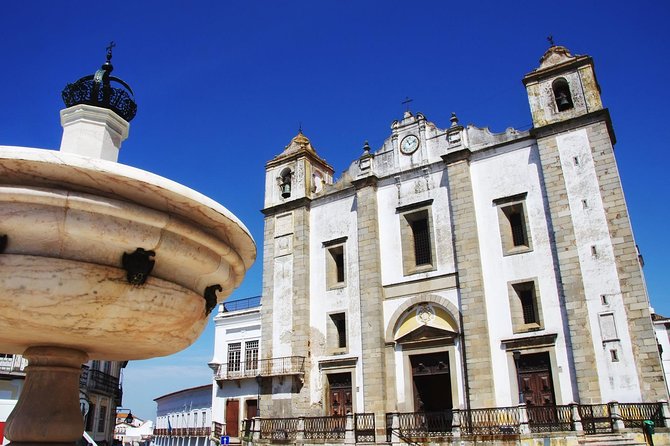
- Cathedral of Évora (Sé de Évora): You’re looking at the largest medieval cathedral in Portugal, built in granite. The key detail is the style transition—from Romanesque to Gothic—so the building itself becomes part of the story.
- Igreja de São Francisco: This is one of the most beautiful and grand churches in Portugal, and the tour gives you time to actually sit with it.
- Chapel of Bones (Capela dos Ossos): This is attached to the Church of San Francisco, and it’s one of Évora’s most famous monuments. Expect a serious “morbid-but-fascinating” stop that contrasts sharply with the cathedral’s grandeur.
- Templo Romano de Évora (Templo de Diana): A UNESCO-recognized Roman temple and described as one of the grandest and best preserved in the Iberian Peninsula. If you like Roman sites, this is the day’s payoff.
- Praca do Giraldo: A central square tied to Geraldo Geraldes, the man linked to the conquest of Évora from the Moors in 1167.
- Free time in Évora: about two hours in the city center, which is your chance to wander without a script.
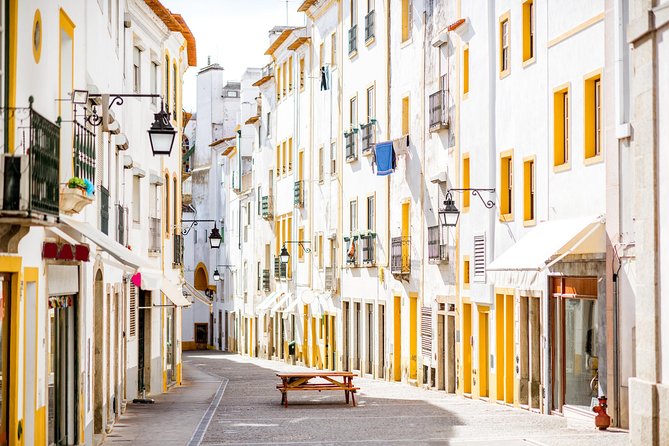
The smart move here is to use the guided time for interpretation, then use the free time for your own pace. If you only do guided stops, you can miss the small streets and quiet plazas where Évora actually feels like a lived-in town rather than a museum.
Dress code heads-up for Évora
Because Évora includes churches and selected museums, you must cover knees and shoulders. No shorts or sleeveless tops. It’s not a suggestion; it’s a real “you might get refused entry” situation.
Beja and Silves: the inland-to-Algarve switch you feel in the scenery
Day 2 is all about shifting gears. After breakfast at the hotel, the coach heads toward the Algarve via Beja and Silves, with quick stops that keep the day moving.
In Beja, the focus is medieval town structure. The highest tower in the medieval castle area dominates the town and the region, and the tour’s approach is basically: get your first look at this inland skyline before the Algarve shows up in full.
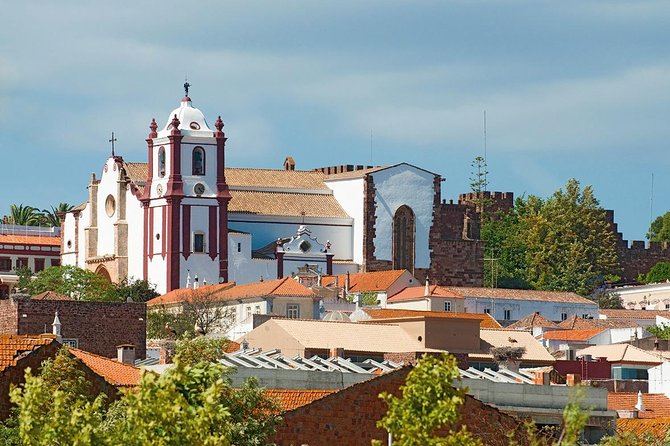
Then comes Silves, a town dominated by a red sandstone castle. The tour notes Moorish-era memories and also points to the town’s cork industry history. You get time to visit both the village area and the castle.
If you’re wondering why Silves fits into an Algarve-focused itinerary: it helps you understand that this region is not only beaches. It’s also fortress towns, trade economies, and layers of occupation.
And on the ride toward the Algarve coast, you pass Praia da Rocha en route to Lagos. That’s a useful “preview” even if your real time later is in Lagos proper.
Lagos and Ponta da Piedade: cliffs, lighthouse views, and a bit of breathing room
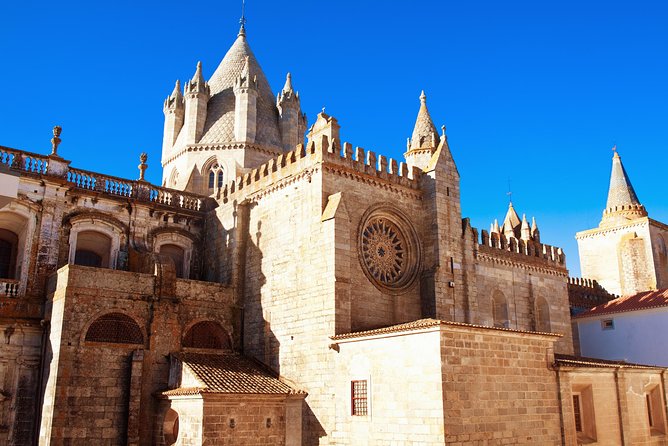
Lagos is where the trip starts to feel like a seaside vacation, not just a sightseeing circuit. Day 2 includes about 1.5 hours of time to explore, and that alone can be valuable because Lagos can soak up your attention: marina views, boats, and easy access to the water.
Lagos fits two different moods:
- Want to wander near the harbor and eat casually (dinner is your job, lunch is not included)?
- Or want to treat the town as a base for coast viewpoints?
Day 3 gives you the next step: Ponta da Piedade after breakfast. You head to the Ponta da Piedade Lighthouse area for views over the Atlantic Ocean and dramatic cliff forms shaped by sea erosion and time.
This stop is a photographer’s dream, but it’s also more than a postcard. The cliffs are the kind of “why this place became a navigation hazard and a navigation landmark” lesson you get by looking rather than reading.
One detail to plan around: you’ll likely do some walking on uneven surfaces. Wear shoes you trust.


Sagres and Cabo São Vicente: fortresses at the edge of the continent
Day 3 is where the trip turns seriously sea-focused. Sagres and Cape São Vicente are not gentle sightseeing stops. They’re built around wind, rock, and long views toward the Atlantic.
In Sagres, you get the landscapes and the maritime “why” behind the area. The tour describes it as sacred to ancient explorers, and as the starting point for Portuguese explorers into the unknown in the 15th century. That context matters because the scenery makes more sense when you know it wasn’t just pretty to people who lived there—it was strategic.
Then you visit the Sagres Fortress (Classified as a National Monument). The guide-led story is specific:
- The original fortress links to Infante D. Henrique (15th century)
- It was destroyed during Sir Francis Drake’s raids on the southern coasts
- It was rebuilt in the 16th to 18th centuries
After that, you go to Cape Saint Vincent / São Vicente Fortress, built in the 16th century to protect the coast from frequent attacks by Moorish pirates. The tour also ties the site to a medieval convent legend welcoming St. Vincent’s remains, then it moves into a description of the fortress architecture: a military construction with a polygonal plan, and a lighthouse inside that dates to 1904 and is still operating.
If you like “place + story,” this is one of the best parts of the itinerary. The timing also helps: you’re seeing fortifications while your brain is still in sea-survival mode from the cliffs at Ponta da Piedade.
Setúbal and Serra da Arrábida: waterfront life and a Natural Park return-to-Lisbon drive
Day 4 is the slow, scenic landing back toward Lisbon. After breakfast, the coach stops in Setúbal first.
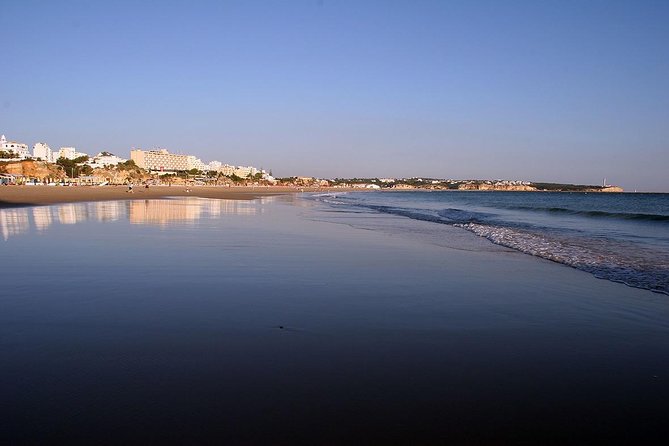
Setúbal is described as tightly connected to the sea, celebrated along a newly rejuvenated waterfront. You’ll pass the colorful fishing harbor, an urban park, and the Tróia Peninsula ferry terminal. The historic center is also part of the picture: narrow alleys, hidden plazas, and family-owned shops. The tour calls out Portugal’s largest fish market, which is a good clue that Setúbal feels less like a brochure and more like a working town.
Then comes Serra da Arrábida, accessed via a scenic mountain route. This is inside a Natural Park, with unique vegetation, and it includes sweeping views of the Tróia Peninsula. It’s one of those drives that breaks up the “sit on the coach” fatigue.
And the day ends with an included stop for wine at José Maria da Fonseca in Azeitão. You’ll spend about an hour in the wine cellars for a tasting. The tour emphasizes the winery’s passion for wine making, and that’s exactly what you’re paying attention to during this stop—your own taste, not just a lecture.
Hotels, breakfasts, and what’s not included (so you plan dinner without stress)
This trip includes:
- 3 nights of accommodation in a superior-class hotel
- 3 breakfasts
- a local guide
- air-conditioned coach transport
- hotel pickup on day 1
- a guided set of major stops and timed free periods
- a wine tasting stop (included)
- the Chapel of Bones admission and Sagres Fortress admission are noted as included in the plan
What’s not included is just as important for budgeting:
- Lunch is not included
- Dinner is not included
- Food and drinks are not included unless specified
- You’ll also want to be ready to cover any optional add-ons on your own (boat tours in Lagos, for example, aren’t described as part of what’s included)
So my practical advice is: treat the day like a sightseeing marathon with breakfast covered, then plan one easy dinner strategy in each town. Lagos and Setúbal both have plenty of casual meal options, but you’ll need to do the choosing.
Also, the itinerary ends back at the meeting point. The data says hotel drop-off on day 4 is not included, so don’t count on being returned to your room.
Coach time, walking, and the dress code reality check
This is a moderate-activity tour. The info is clear: you’ll do a moderate amount of walking. That includes city-center wandering in Évora, castle/church areas, and viewpoint access around the coast.
Two practical things to keep you comfortable:
- Pack layers. Coastal areas can swing from warm to windy.
- Bring footwear with grip. Cliff areas and older stone streets aren’t built for slick soles.
The dress code is strict for churches and selected museums: no shorts, no sleeveless tops, and knees/shoulders must be covered. This is the kind of rule that can ruin a day if you ignore it.
Who this tour fits best (and who should pick something else)
This tour is a strong fit if you want:
- a guided intro to UNESCO Évora
- the Algarve coast without driving yourself
- fortification and maritime history at Sagres and Cape São Vicente
- a Natural Park viewpoint on the way back: Serra da Arrábida
- hotel + breakfast included, so you can spend your money on meals and small extras
It’s less ideal if:
- you hate group pacing and prefer fully independent travel
- you need lots of unstructured time every day (the schedule is designed around set stops)
- you’re highly sensitive to long coach legs, since the bus is a big part of the experience
Also keep group size in mind. This tour has a maximum of 50 travelers, so you’ll have energy around you, but it won’t feel like an endless crowd.
Should you book this 4-Day South Portugal Tour from Lisbon?
If you’re trying to squeeze southern Portugal into a short window, I’d book this style of trip—especially if this is your first time combining Évora + Algarve + Sagres/Cabo São Vicente + Setúbal. The value comes from the way it packages transport, lodging (3 nights), breakfast (3), guided interpretation, and one included tasting stop. You’re not paying just for scenic stops; you’re paying for the stitching-together of place and story.
I’d hesitate only if you know you’re very picky about comfort with church dress rules, or you want very long free afternoons. Also, because the tour notes that routes may change, don’t lock your expectations to one “perfect” sequence of coastal moments.
If you book, do two things: pack an outfit that passes the dress code, and plan to eat dinner on your own near your hotel each night. That small mindset change makes the whole schedule feel smoother.
FAQ
How long is the tour?
It runs for 4 days (approximately).
Where do I meet the tour?
You start at Cityrama Gray Line Portugal, Alameda Edgar Cardoso, 1070-051 Lisboa, Portugal.
Is hotel pickup offered?
Yes. Hotel pickup is offered on day 1, and the tour notes hotel drop-off on day 4 is not included.
How many nights of accommodation are included?
Three nights of accommodation in a superior-class hotel are included.
Are breakfasts included?
Yes. Three breakfasts are included.
Are lunch or dinner included?
No. Dinner and lunch are not included, and food and drinks are not included unless specified.
Is there a bathroom on the coach?
No. There is no toilet on board the coach.
What’s the dress code?
For places of worship and selected museums, you need knees and shoulders covered. Shorts and sleeveless tops are not allowed.
How much walking should I expect?
The tour involves a moderate amount of walking.
What’s the cancellation window for a full refund?
You can cancel up to 6 days in advance for a full refund, with refunds changing if you cancel closer than 6 days.