REVIEW · 3-DAY EXPERIENCES
3 Days Private Tour In the Algarve from Lisbon
Book on Viator →Operated by walkborder · Bookable on Viator
Three days, no map stress. This private, door-to-door Algarve trip takes you out of Lisbon with a driver/guide, then back again, with Wi-Fi on board for quick updates while you ride. I like that it pairs big-name sights (Évora, Lagos, Sagres, Sesimbra, Setúbal) with hands-on local crafts like cork and Portuguese tiles. One thing to think about: the tour price is only part of the budget since hotels and lunch are not included, and you’ll also want to plan for which entrances are marked as included versus not.
What really makes this kind of trip work is how the schedule is built around short visits plus real time in places where you can wander. I like the mix of atmospheres: Roman and medieval streets in Évora, sea air in Lagos and Setúbal, and tile-making in Azeitão. A possible drawback is that you’re moving each day, so if you want long beach time or zero touring time, this may feel like more “seeing” than “doing.”
In This Review
- Key things you’ll notice on this Algarve private tour
- Door-to-door comfort from Lisbon to your Albufeira base
- Évora first: the Temple area, the aqueduct, and the Chapel of Bones
- Cork craft and Monsaraz walls: slow medieval views with a hands-on twist
- Lagos: Discoveries-era energy and fortress walls you can feel
- Sagres and Cabo de São Vicente: Prince Henry’s legacy through stone and compass lore
- On the return: Sesimbra’s Moorish castle plus a maritime museum day
- Setúbal waterfront life and the Praça do Bocage meeting point
- Azeitão azulejos: how the tile factory experience actually feels
- Price and logistics: what $960.81 per person really covers
- Who this Algarve private tour fits best
- Should you book this Algarve private tour from Lisbon?
- FAQ
- How long is the Algarve private tour from Lisbon?
- What time does the tour start?
- Is pickup and drop-off included in Lisbon?
- What’s included in the tour price?
- Are meals included?
- Where do I stay during the trip?
- Do I need to pay entrance fees?
- What’s the cancellation window?
Key things you’ll notice on this Algarve private tour
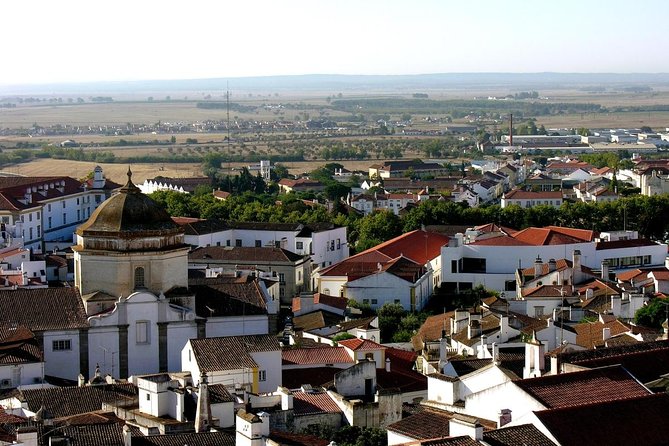
- Door-to-door Lisbon pickup and drop-off so you don’t wrestle with timing on public transport
- Onboard Wi-Fi for practical check-ins while you’re on the road
- A first-day combo of Évora’s Temple of Diana area + the Bones Chapel
- Craft stops that go beyond photos, including a cork workshop visit and a tile factory in Azeitão
- A day built around Portugal’s Discoveries-era coast: Lagos, Sagres, and Cabo de São Vicente
- Your Algarve stay base in Albufeira, with evenings in a classic coastal town
Door-to-door comfort from Lisbon to your Albufeira base
This isn’t a self-drive “good luck” plan. You start with a 9:00 am departure and you get pickup and drop-off at locations across Lisbon, which is a big deal when you’re trying to avoid the stress of coordinating buses, taxis, and parking. The vehicle is air-conditioned, and you’ll have bottled water along the way—small things, but they add up when you’re traveling all day.
Because it’s private, you’re not squeezed into someone else’s pace. Your guide drives, you focus on what’s in front of you: viewpoints, city centers, and craft workshops that you’d be unlikely to find on your own in a tight timeline. Onboard Wi-Fi also helps you keep your phone useful for directions later, rather than just for entertainment on long transfers.
One practical note for your planning: you’re booking the accommodation you want in Albufeira, while food and entrance fees are handled according to what’s listed as included or not on each stop. That makes the trip flexible, but it does mean your final costs depend on your hotel choice and lunch habits.
You can also read our reviews of more private tours in Lisbon



Évora first: the Temple area, the aqueduct, and the Chapel of Bones
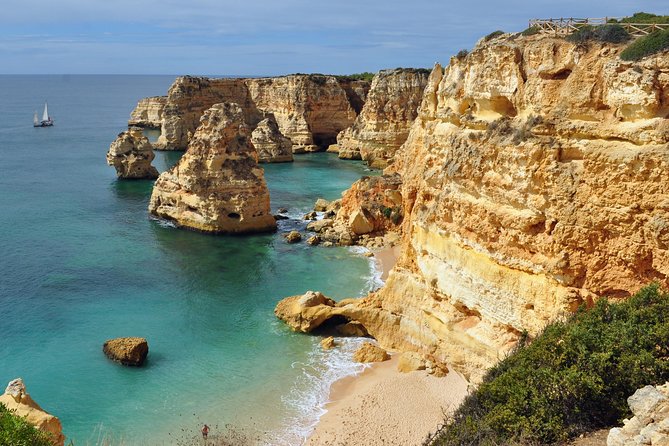
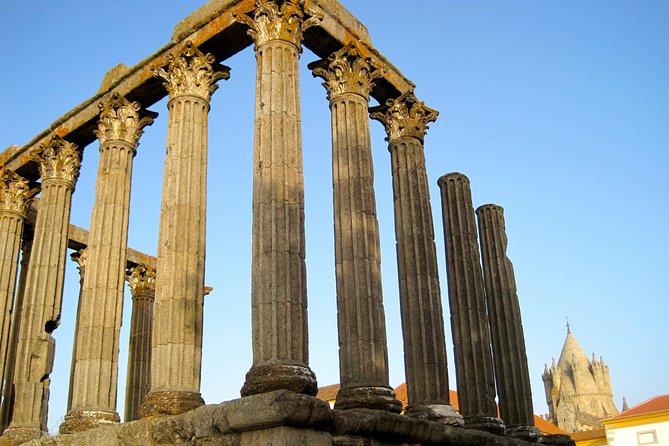
Évora is where the trip gets serious—in a good way. You start with the old-town core, where you’ll see the area around the ancient “Temple of Diana” next to the cathedral zone, plus the Agua da Prata aqueduct arches outside the old walls. It’s a strong start because it gives you context: different peoples lived here, and the city still shows those layers in stone and street layout.
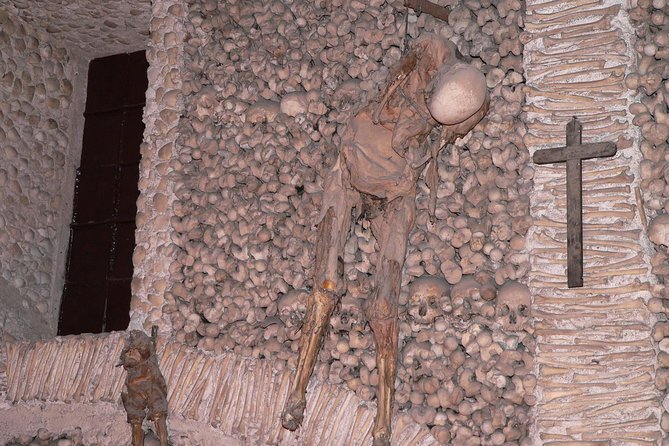
Then you hit two big contrasts. One is the more monumental side: Évora Cathedral and the Roman-era pieces, with the aqueduct reminding you how practical infrastructure once shaped daily life. The other contrast is the Chapel of Bones, tied to the Church of San Francisco, where the effect is unmistakable—skulls and bones associated with 500 monks, plus the famous entrance message about bones waiting for yours.
This stop isn’t for everyone. If you don’t like dark, symbolic sights, you can treat it as a short “tick-box” visit and spend the rest of your time looking at Évora’s streets instead. But if you’re curious about how places tell stories through architecture, this is one of the most memorable stops on the whole itinerary.
Cork craft and Monsaraz walls: slow medieval views with a hands-on twist
After Évora, the trip turns practical and sensory with a cork-focused stop at Corticarte – Arte em Cortica. This is the kind of place where the details stick because they’re explained through the material itself. You’ll hear how cork comes from cork oak bark, and you get the time-and-thickness facts: the bark grows again over years, gets removed only after a long stretch, and can reach about 25 centimeters thickness at removal.
The explanation doesn’t stay academic. It connects cork’s physical properties—lightweight, elastic, and resistant to fire—to why it matters for real products. The session lasts about an hour, which is just enough time to learn the story without feeling trapped in a lecture hall.
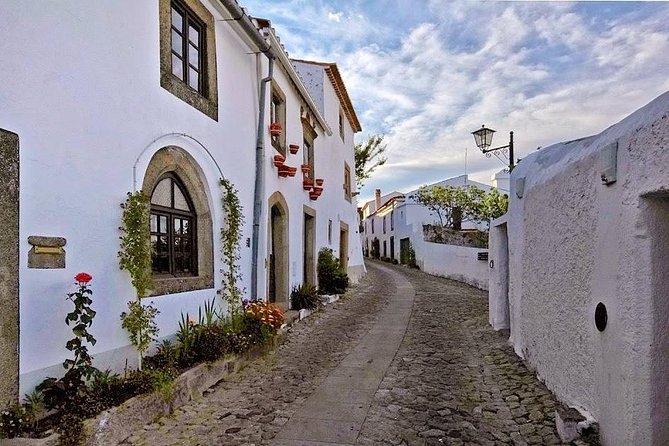
Next comes Monsaraz Castle and Walls, a medieval village that looks like it was designed for wandering. Expect narrow stone lanes, white-painted houses, and walking the walls for wide views over plains that stretch out toward the Alqueva region, with Portugal and Spain divided across the bigger geography. The admission is listed as free for this stop, which makes it a “high value, low friction” visit.
By the time you reach Albufeira later, you’re ready for the change of pace: a historic center with whitewashed buildings, cobbled streets, and a nightlife scene centered on a main avenue packed with cafés and bars.
Lagos: Discoveries-era energy and fortress walls you can feel
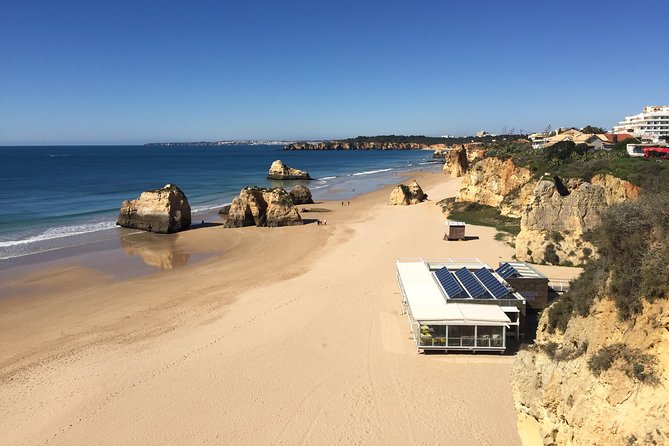
Day two starts in the right place for maritime Portugal: Lagos. The visit focuses on how Lagos supported the Discoveries period, with the town acting as a base for major expeditions and as a marketing hub for products shipped from elsewhere. That matters because it reframes the coastline. You’re not only looking at beauty—you’re looking at routes.
You’ll spend around two hours here, and the time allocation is ideal if you like both strolling and stopping for photos. As you move around, you’ll also learn about defensive responses to North African corsair activity, including the need for a second set of walls adapted to changing military design.
This is a stop where your best plan is simple: don’t over-plan your exact route. Let the streets and the waterfront guide you, then use your guide to point out what’s tied to the town’s trading and sailing role. If you’re traveling with kids, it’s also an easier day than “museum after museum” because the town itself does a lot of the storytelling.
Sagres and Cabo de São Vicente: Prince Henry’s legacy through stone and compass lore
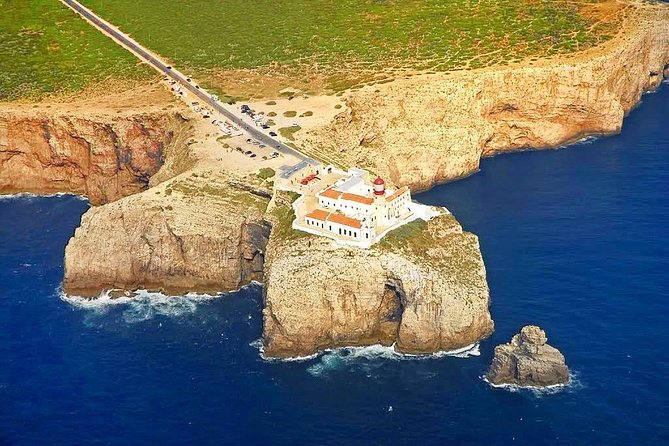
From Lagos, the tour pushes toward Sagres and the fort area. You’ll visit the Sagres Fortress (also referenced with Promontorium Sacrum), linked to Prince Henry the Navigator. Inside, you’ll see elements like cannons, a 16th-century tower, and the Church of Our Lady of Grace. The “rose of the winds” sundial is part of the nautical signal of why Sagres mattered—both for instruction and for navigation traditions tied to the Portuguese maritime school.
This isn’t a long, slow museum day; it’s a “look, learn, photograph, move on” structure, with about an hour at the site. If the weather is windy (Sagres often is), dress for it so you’re comfortable while you’re standing near viewpoints.
Then you reach Cape Saint Vincent (Cabo de São Vicente). The description here leans into defense and legend: a fortress built in the 16th century to protect the coast from Moorish attacks and pirates, plus a story about San Vicente’s remains being brought to Lisbon. Even if you care more about views than legends, it still works as a final-picture location because the setting is dramatic in a practical, historical way—fortifications and coastline in the same frame.
You can also read our reviews of more tours and experiences in Lisbon

On the return: Sesimbra’s Moorish castle plus a maritime museum day
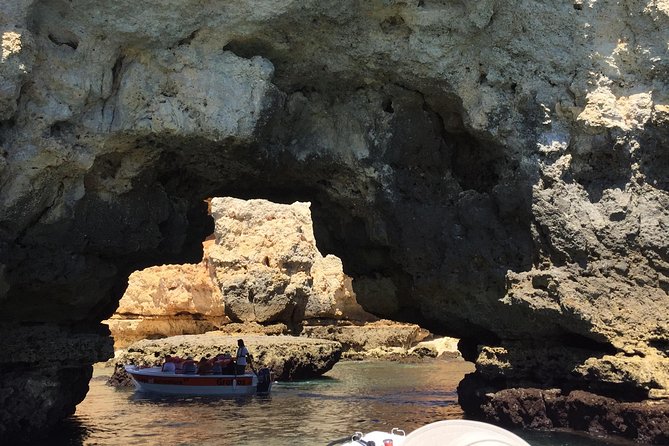
Day three keeps the pace rolling, but it’s a good kind of busy. You stop in Sesimbra on the way back to Lisbon. First is the Castelo de Sesimbra, described as a hillside Moorish castle with origins in the 9th century, still tied to Islamic occupation, and used for land and maritime defense. It’s free for this stop, and it’s a classic example of how Portuguese towns often organize themselves around older power points.
Right after, you visit the Maritime Museum of Sesimbra. This is the more grounded “what people actually did” side of the day: fishermen’s connection to sea life, the tools they used, and maritime devotions. The museum’s featured highlight is a 3D movie that takes you from prehistory and medieval times to a return to the ocean and a look at the future.
If you’re not a museum person, this still makes sense because the theme is local and practical. A maritime town needs stories about work and weather, not just artifacts behind glass.
Setúbal waterfront life and the Praça do Bocage meeting point
Next comes Baía de Setúbal, built around the idea that fishermen, boats, the river, and the sea are inseparable. The description emphasizes the human side—hundreds of boats along the riverfront and a sense of people who work the water with a kind of humor and practical wisdom. Even if you only have an hour, this is the part of the itinerary that keeps you from turning everything into a history lesson.
After that, you get time in Setúbal downtown and a stop near the Praça do Bocage. The square functions as a local meeting point with esplanades, and you’ll see the statue of Portuguese poet Bocage with eyes fixed toward the sea. It’s a useful pause because it lets you regroup, eat if you want something on your own, and walk streets where locals likely move the way they always have.
This section is also where you should watch your energy. The day is still packed, but Setúbal breaks the pattern by giving you “street life” rather than another fort.
Azeitão azulejos: how the tile factory experience actually feels
You finish with a tile stop at Azulejos de Azeitao—and this is one of Portugal’s easiest cultural products to love because it’s everywhere in the country. Here you get the manufacturing process explained in stages: the making, glazing, and the painting or relief work, with styles that mix European, Islamic, and Chinese drawing influences in Hispano-Arabic character. It’s scheduled as an included stop with about an hour on site.
What I’d call out as practical value: tiles are not just decoration. They show technique, workshop rhythms, and how styles travel and get adapted. If you like souvenirs that won’t look like every other mass-market magnet, you’ll probably enjoy seeing how a tile is designed from the first steps to the final finish.
Price and logistics: what $960.81 per person really covers
This tour is priced at $960.81 per person for about three days, and you’ll travel by private vehicle with a driver/guide, bottled water, onboard Wi-Fi, air-conditioning, and personal accidents insurance. The big value is the combination: transport + guided interpretation + a real itinerary that doesn’t depend on your navigation skills.
What’s not included is just as important. Hotels aren’t included, and lunch is not included. Entrance fees are a mix: some stops show admission tickets as included, while others are marked as not included. So your total “trip spend” will depend on what you choose to eat and which optional or non-included entrances you decide to pay on-site.
It’s also booked fairly far ahead on average (about 139 days), which tells me this is a popular route at a time when transport and guides can get tight. If you’re traveling in high season, booking earlier than the average is a smart move.
Who this Algarve private tour fits best
This works best if you want a smooth base-and-day-trip rhythm and you’re okay with an itinerary that moves. It’s ideal for couples and small groups who like guided context but still want time to wander in towns like Évora, Lagos, and Setúbal.
If you’re coming to Portugal for more than beaches—if you want crafts, coastal towns, and maritime-era places—this gives you a wide sweep without being nonstop museum fatigue. The cork and tile elements are the kind of cultural add-ons that feel meaningful because you leave with a better understanding of Portuguese materials and style.
If you mainly want beach relaxation or very slow travel days, you might find the schedule a bit full. In that case, I’d use this as a guide for what you’ll get, then ask yourself whether you can trade a few hours of “do nothing” time for the strong craft-and-coast mix.
Should you book this Algarve private tour from Lisbon?
I’d book it if you want private transport, a structured day plan, and a chance to see multiple Portuguese regions—Alentejo’s Évora first, then the Algarve’s Discoveries coastline, then the Setúbal area on the way back—without stressing over driving or logistics.
I wouldn’t book it if your priorities are mostly beach-only time, because you’ll be on the move and your day-to-day freedom will be tied to the planned stops. Also, since you choose your own Albufeira hotel and bring your own lunch, double-check your budget assumptions before committing.
FAQ
How long is the Algarve private tour from Lisbon?
It runs for about 3 days.
What time does the tour start?
The start time is 9:00 am.
Is pickup and drop-off included in Lisbon?
Yes. Pickup is offered and the tour includes door-to-door style transport with drop-off back at Lisbon.
What’s included in the tour price?
Included items are bottled water, a driver/guide, transport by private vehicle, onboard Wi-Fi, an air-conditioned vehicle, and personal accidents insurance.
Are meals included?
Lunch is not included. You’ll also need to plan for food during the days as it’s not listed as included.
Where do I stay during the trip?
You book your accommodation in Albufeira.
Do I need to pay entrance fees?
Some admissions are included on specific stops, while others are marked as not included. The tour notes that entrance fees and food are part of what you cover, depending on the site.
What’s the cancellation window?
You can cancel for a full refund if you cancel up to 24 hours in advance.