REVIEW · 7-DAY EXPERIENCES
Private 7-day itinerary in Portugal
Book on Viator →Operated by Portugal Expert® - Vitor Pais · Bookable on Viator
Seven days, one driver-guide, and a Portugal story. With Vitor Pais guiding you, I love the way each stop gets explained in plain terms, from the anti-seismic streets of Baixa to the tiles that narrate Porto’s past. The possible drawback: several major attractions require separate tickets, and you’ll want to plan for lots of steps.
I also like the comfort of an air-conditioned vehicle with Wi‑Fi and mineral water, which matters when the itinerary jumps from Lisbon to Sintra, Porto, the Douro, and back toward the Alentejo. It starts at 9:00am and runs as a true private day-to-day rhythm, not a rushed group circuit.
In This Review
- Key highlights you’ll actually feel
- What you’re really buying with a private 7-day Portugal route
- Day 1 Lisbon: Baixa’s rebuilt streets, Alfama’s alleys, and Belém sweets
- Baixa de Lisboa: earthquake-proof city planning
- Alfama: Lisbon’s oldest defense system (and the home of fado mood)
- Belém: Manueline-era monuments and the discoveries
- Pastéis de Belém: the pastry factory visit idea
- Day 2 Sintra and the Atlantic: palaces, Pena-area options, Cabo da Roca, Cascais
- Sintra Centro Histórico: narrow streets and Piriquita sweets
- Park and National Palace of Pena: choose your palace mood
- Cabo da Roca: where land ends and sea begins
- Cascais (and a wartime detour via Estoril)
- Day 3 Fátima and Coimbra: chapel stops plus Europe’s old university core
- Fátima: Chapel of Apparitions and mass option
- Basilica of the Holy Trinity: modern scale, 1928 and 2007 together
- Coimbra University: Joanina Library and the old prison-turned-library story
- Coimbra center: cafés, narrow streets, and time to reset
- Day 4 Porto: tiles, bookstores, cathedral sides, and Sandeman tasting included
- Avenida dos Aliados and the civic heart
- Mercado do Bolhão: real-life shopping energy
- Livraria Lello: architecture lovers’ stop (ticket not included)
- São Bento Railway Station: 20,000 tiles and instant storytelling
- Porto Cathedral: Roman-Gothic core and side gallery
- Sandeman Cellars in Gaia: port tasting included
- Day 5 Douro Valley: Amarante sweets, Pinhão tiles, Quinta do Tedo tasting
- Amarante: S. Gonçalo bridge and playful sweet stalls
- Pinhão Station: tile panels that explain Douro life
- Quinta do Tedo: winery visit with tasting included
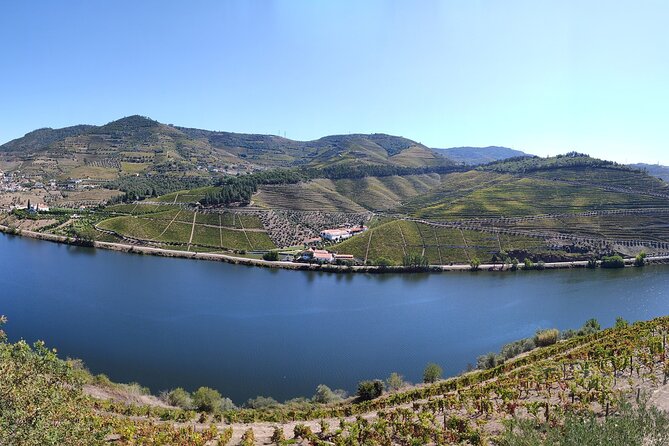
- Ervedosa do Douro: valley viewpoint for photos
- Day 6 Aveiro, Nazaré, and Óbidos: canals, wave legends, and medieval walls
- Aveiro: Portuguese Venice and moliceiro boat idea
- Aveiro Railway Station and markets: Eiffel-style iron and glass
- Nazaré: canhão waves and the seven skirts
- Óbidos: UNESCO walls and royal wedding-gift lore
- Day 7 Évora and Alentejo: Temple of Diana, chapel of bones, 5-wine tasting, and cork factory
- Évora historic center: Roman roots and royal patronage
- Chapel of Bones: skulls, bones, and a blunt message
- Ervideira Winery: 5 wines plus regional products included
- Cork production at Corticarte: why Portugal controls the world
- Tickets, comfort, and pacing: how to make this week feel good
- Should you book this private Portugal tour?
- FAQ
- What time does the tour start?
- Does the tour offer pickup?
- What’s included in the price?
- Are museum and attraction tickets included?
- Is this a private tour?
- Do you need to arrange meals and drinks?
Key highlights you’ll actually feel
- Vitor Pais as driver-guide: history tied to what you see, with clear answers as you go
- Wi‑Fi + water on board: small comfort upgrades that help on long travel days
- Port and Douro tastings: Sandeman Cellars plus Quinta do Tedo included
- Iconic Portugal, but paced: Lisbon neighborhoods, Sintra palaces, Porto highlights, coastal stops
- Food and craft moments: Pastéis de Belém, Piriquita sweets, S. Gonçalo sweets, cork production
- Mobile tickets: helps you move faster at a few included stops
What you’re really buying with a private 7-day Portugal route
At $2,129.27 per person, this is not a “cheapest possible” option. You’re paying for a driver-guide, an air-conditioned vehicle, and a packed route that connects distant regions without you having to figure out transport every day. If you’ve ever spent a trip juggling buses, taxis, and timing, you’ll understand why this style can feel like good value.
The other big reason this works: the tour mixes famous places with context. You’re not just looking at a palace or a church; you’re getting the why behind it—like how Lisbon was rebuilt after the 1755 earthquake with anti-seismic design, or how Porto’s station tiles turn a waiting room into a storybook. That’s the kind of guidance you’ll remember on your way back to your hotel, not just while taking photos.
You can also read our reviews of more private tours in Lisbon

Day 1 Lisbon: Baixa’s rebuilt streets, Alfama’s alleys, and Belém sweets
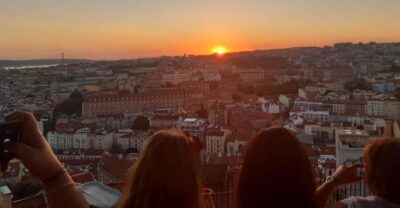
Lisbon day is built around three classic zones—each with a different personality—so you can get your bearings fast.
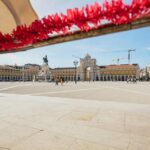
Baixa de Lisboa: earthquake-proof city planning
Baixa de Lisboa is where the 1755 earthquake still echoes through the street layout. You’ll see the first anti-seismic approach in Europe: straight, perpendicular streets designed to organize movement after destruction. Even the street naming—artists and artisans from the time—gives the area a human scale.
This stop is free and works well as an easy start. It’s also a good warm-up for the rest of the week, because it sets up how Lisbon “thinks” about design.
Alfama: Lisbon’s oldest defense system (and the home of fado mood)
Alfama is the oldest neighborhood in Lisbon, full of tight lanes and winding alleys. The tour frames it as a practical defense system during the Arab period (8th to 12th centuries). After the Christian reconquest, the area remained tied to Portuguese authenticity, with nearby Bairro da Mouraria mentioned as part of the broader Alfama story.
Then there’s the emotional thread: fado. The tour connects fado’s birth here with saudade, the Portuguese feeling of longing. Even if you don’t plan to book a fado show that night, this context helps you understand why Alfama feels the way it does.
Belém: Manueline-era monuments and the discoveries
Belém is your UNESCO-heavy zone: Jerónimos Monastery in spirit, the Belém Tower, and Manueline style architecture tied to the era of Portuguese discoveries. The route adds in modern monuments too, like Padrão dos Descobrimentos and Praça do Império, so you’re not stuck in only one time period.
One thing to note: Belém Tower time is listed as not included for admission. The area itself is great for walking, but factor in that you may pay extra if you want every signature stop.
You can also read our reviews of more tours and experiences in Lisbon


Pastéis de Belém: the pastry factory visit idea
You also get a visit idea around Pastéis de Belém—the century-old sweet with a famous “no-change” formula. This part is listed as free and also leaves you some flexibility for nearby monuments.
Practical tip: if you’re the kind of traveler who needs a snack break to stay happy through crowds, Pastéis de Belém is a smart mid-day anchor. It’s not just food; it’s also part of Lisbon’s identity.
Day 2 Sintra and the Atlantic: palaces, Pena-area options, Cabo da Roca, Cascais
This is a day where views and history collide—so start with comfortable shoes.
Sintra Centro Histórico: narrow streets and Piriquita sweets
You’ll walk through Sintra’s historic center with its small alleys and shops selling typical regional products. The route specifically points you toward Piriquita for the famous Travesseiros de Sintra and Queijadas de Sintra. This is a tasting-focused break, not a museum, and it’s not included for admission.
Why it’s valuable: Sintra is famous for palaces, but the town itself is what makes the palaces feel theatrical. This stop helps you understand the vibe before you climb into royal fantasies.
Park and National Palace of Pena: choose your palace mood
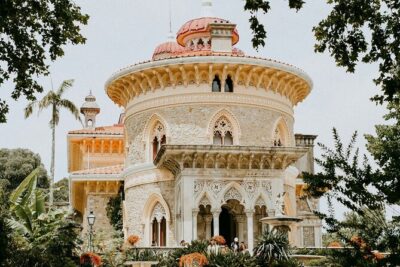
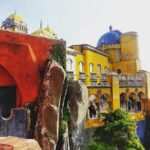
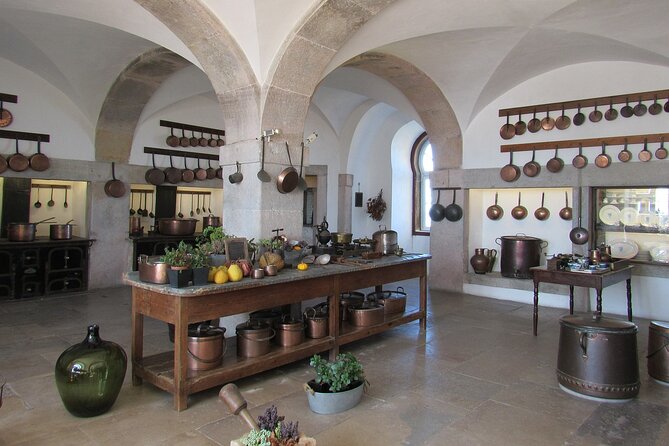
For the Pena area, the guide offers choices among major sites, including Quinta da Regaleira, Castle of the Moors, and Pena Palace itself. The tour description also ties Pena to 19th-century romanticism and the imagination of D. Fernando (consort of D. Maria II).
Tickets for the palace visits are not included. That matters for planning, because this is one of the biggest “pay-as-you-go” parts of the week. If you want the full experience, give yourself time to decide which site you’ll prioritize with the guide.
Cabo da Roca: where land ends and sea begins
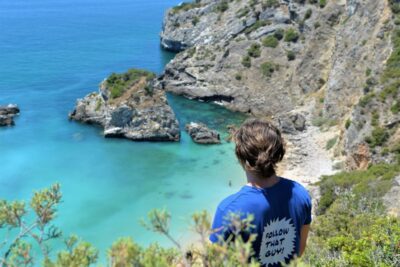
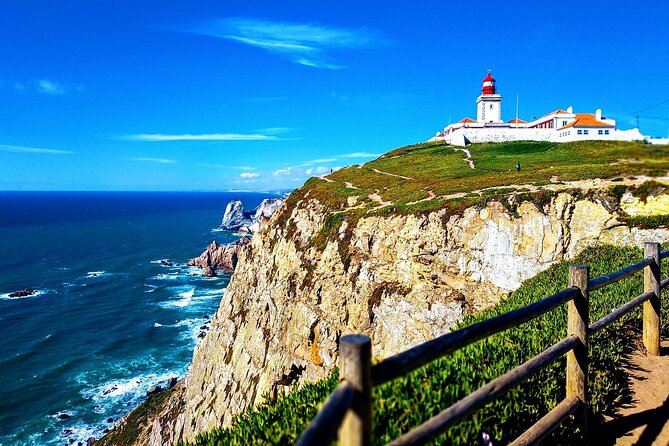
Cabo da Roca is listed as free, with a focus on the geological drama of the coastline. The route frames it as where the land ends and the sea begins, pointing to Portuguese poet Camões and noting it as the westernmost point of the European continent. It’s also in the Sintra-Cascais Natural Park.
Bring a layer. Even in mild weather, the wind at a cliff point can turn “nice view” into “grab your jacket now.”
Cascais (and a wartime detour via Estoril)
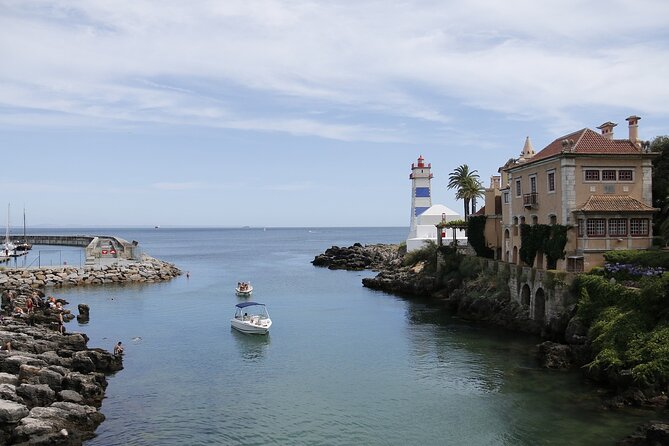
Cascais is described as a former fishing village turned beach resort with Atlantic charm. The stop is free, and it’s a pleasant shift after the Sintra intensity—more strolling, less steep palace energy.
Estoril is included as a quick note about its World War II role as a safe haven for royal families and aristocrats, plus its casino. Even as a shorter mention, it adds a “Portugal didn’t only do empires” angle.
Day 3 Fátima and Coimbra: chapel stops plus Europe’s old university core
Day 3 mixes spiritual sites with one of the most visually famous university complexes in Europe. It’s a strong contrast day, which can help the pacing.
Fátima: Chapel of Apparitions and mass option
You’ll visit the Basilica of Nossa Senhora do Rosario de Fátima with three focal points: optional mass, the Chapel of Apparitions, and a quick visit to Casa dos Pastorinhos in Valinhos. The key detail here is the placement of the Chapel of Apparitions—important not for size, but for location inside the Sanctuary.
It’s listed as free. If you’re hoping for quiet time, this sort of stop can give you it—just be respectful of ceremony schedules and crowds.
Basilica of the Holy Trinity: modern scale, 1928 and 2007 together
The route adds the Basilica of Our Lady of the Rosary (1928 neo-baroque) with tombs of the children and Sister Lúcia, plus the Basilica of the Holy Trinity (built 2007). That Holy Trinity basilica is described as seating for more than 8,000 people and designed by Greek architect Alexandros Tombazis.
It’s also listed as free. Even if you’re not religious, the scale is impressive and gives you a sense of how Fátima became a major pilgrimage center.
Coimbra University: Joanina Library and the old prison-turned-library story
After Fátima, you head to Coimbra and start at the University of Coimbra highlights. The tour focuses on the Joanina Library—built in the 18th century and described as one of the most beautiful libraries in the world, with frescoes by António Ribeiro and Vicente Nunes. It also mentions the library’s former prison connection, which helps the building’s mood make sense.
This university stop is not included for admission. So treat Coimbra’s entry fees as part of your budget.
Coimbra center: cafés, narrow streets, and time to reset
After the university, Coimbra’s center gives you a breather. It’s described as between the Mondego River and the university, with narrow streets, alleys, and squares plus plenty of cafes and sweet shops. That part is free, and it’s the kind of open-ended time you can use to do a slow lunch (on your own) without feeling like you missed something.
Day 4 Porto: tiles, bookstores, cathedral sides, and Sandeman tasting included
Porto day is designed as a “great hits” loop through the city core, plus one included wine experience in Gaia.
Avenida dos Aliados and the civic heart
You begin on Avenida dos Aliados, the focal point of Porto where city life happens, including demonstrations and celebrations. The Porto City Council building sits along this road, so you get the feel of Porto’s civic energy quickly.
This start point is free.
Mercado do Bolhão: real-life shopping energy
The tour then takes you to Mercado do Bolhão—an iconic city market. It’s the most important shopping point mentioned alongside Rua de Santa Catarina. This stop is only about 30 minutes, but it’s long enough to see how locals shop and snack.
Also free, which is nice when you’re saving money for entry tickets later.
Livraria Lello: architecture lovers’ stop (ticket not included)
Livraria Lello is framed as perfect for literature and architecture fans, including fans of the Harry Potter connection via the staircase inspiration. Admission is not included, so you’re choosing this as a “must-see for me” moment rather than a free wander.
If you love bookstores and want the photo, plan your time around it. If you don’t, you can still use Porto day for the other classics without losing the plot.
São Bento Railway Station: 20,000 tiles and instant storytelling
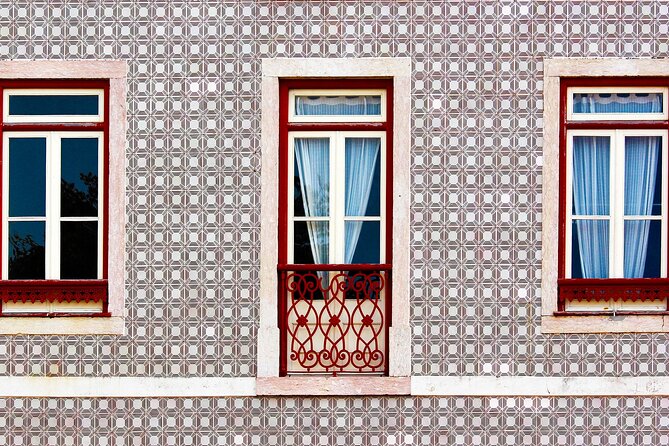
São Bento Station is a fast, powerful stop listed as free. The tour description calls out 20 thousand tiles by Portuguese artist Jorge Colaço, creating a “virtual journey” through Portuguese history with emphasis on Northern civilizations and occupations.
This is one of those places where even if you arrive late to the scene, it still hits. The tiles are right there while you wait.
Porto Cathedral: Roman-Gothic core and side gallery
Porto Cathedral is next, described as Roman-Gothic begun in the 12th century, with renovations in the 17th and 18th centuries. It also points out the medieval rose window and an outside highlight: the side gallery decorated with tiles by Nicolau Nasoni in 1736.
Admission is not included. If you’re cathedral-into person, add it. If not, you can spend more time around the riverfront afterward.
Sandeman Cellars in Gaia: port tasting included
The big included win moment is Sandeman Cellars in Gaia. You get 2 hours included, with time in a cellar, learning the process from harvest to final product, and a tasting of Port wine.
This included tasting is a strong value piece because it would cost you extra time and money on your own. It also ties the earlier Porto sights to a regional product you can actually taste.
Day 5 Douro Valley: Amarante sweets, Pinhão tiles, Quinta do Tedo tasting
This is the day that shifts from city touring to the Douro region’s slower, scenic rhythm.
Amarante: S. Gonçalo bridge and playful sweet stalls
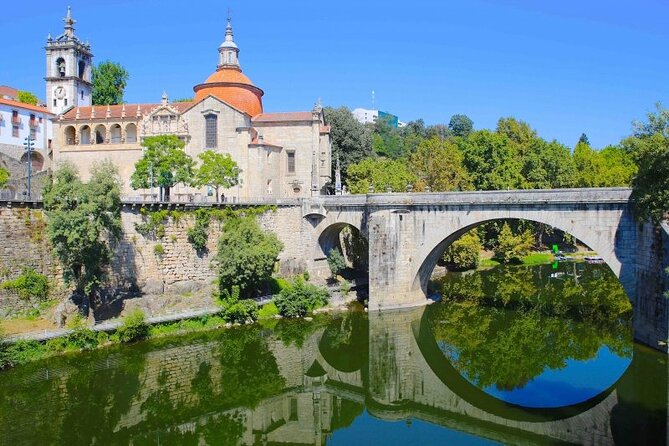
In Amarante’s historic center, the tour highlights Romanesque buildings and Middle Ages structures, plus the S. Gonçalo bridge. There’s also a fun detail: end-of-week stalls selling S. Gonçalo sweets that look phallic, leading to a lot of laughter. It’s a light stop, but it keeps the day from becoming all “serious stone.”
This part is free.
Pinhão Station: tile panels that explain Douro life
Pinhão Railway Station is one of the route’s standout visual moments, described as one of the most beautiful stops in the Douro region. The 19th-century station tiles depict landscapes and how local wine life works: harvesting, treading grapes, and transport by rabelo boats.
Free and short (about 20 minutes), it’s perfect for a quick reset between longer drives.
Quinta do Tedo: winery visit with tasting included
This is the day’s main alcohol-and-education payoff: Quinta do Tedo. You get a winery walk-through focused on how wine is made, plus tasting some of the best wines in the region. It’s listed as 2 hours included, and admission is marked included.
For value, this is huge. The Douro region is expensive to explore independently once you add transport and tastings. Here, the tour folds that work into the price.
Ervedosa do Douro: valley viewpoint for photos
Finally, you stop at a viewpoint above the valley for 30 minutes. It’s a free photo break on the way to Pinhão and adds that “you’re actually in the region” feeling.
Day 6 Aveiro, Nazaré, and Óbidos: canals, wave legends, and medieval walls
Day 6 is a mixed bag in the best way: canals, seaside drama, and a UNESCO medieval town.
Aveiro: Portuguese Venice and moliceiro boat idea
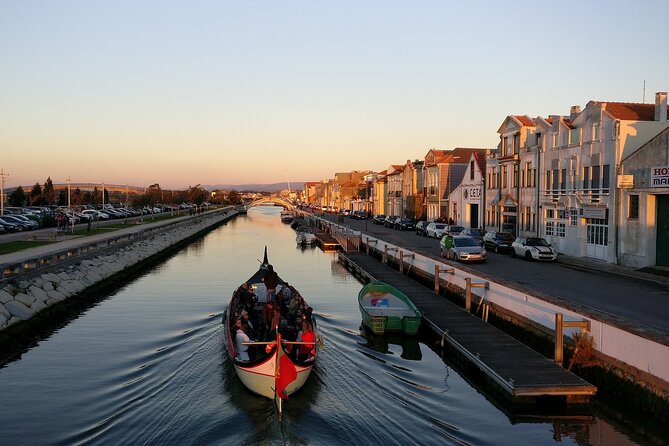
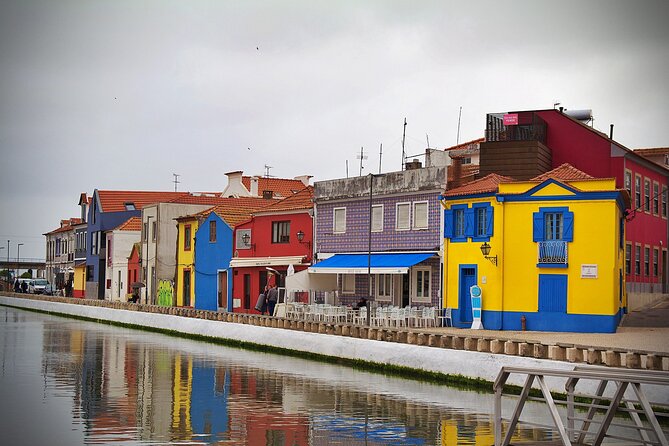
Aveiro is called Portuguese Venice, with canals that once served as the city’s livelihood. The tour suggests a moliceiro boat trip to understand those canals and how they connect to seaweed and salt work.
It’s listed as free, and the boat trip is described as an idea rather than an included transfer. So treat it as optional.
Aveiro Railway Station and markets: Eiffel-style iron and glass
You also visit the Aveiro market and the station vibe: wrought iron and glass with Art Nouveau energy, and references to Gustavo Eiffel style. This is free and adds a different kind of “Portugal craftsmanship” than churches and palaces.
Nazaré: canhão waves and the seven skirts
Nazaré is presented as a pictorial village with churches and traditional houses. It’s also described as famous for the canhão da Nazaré phenomenon—massive waves that made Nazaré known worldwide, including a 2013 mention of an American surfer breaking a record around 30 meters high.
The tour also points out the “seven skirts” wives proudly show to visitors. Admission is free here, and it’s a good day for casual walking and watching the seaside crowd.
Óbidos: UNESCO walls and royal wedding-gift lore
Óbidos is the day’s medieval payoff and it’s listed as free. The tour describes walking narrow streets, white-painted houses, traditional shops, and the medieval feel. It also shares the romance: Óbidos was used as a wedding gift from D. Dinis to D. Isabel.
The village became part of the Casa das Rainhas, and D. Catarina is credited with construction of an aqueduct and fountains. Even if you only have a couple hours, this is one of those places where the details make the town feel alive.
Day 7 Évora and Alentejo: Temple of Diana, chapel of bones, 5-wine tasting, and cork factory
This final day leans into Southern Portugal: Roman leftovers, a skull-filled chapel, winery flavor, and cork production.
Évora historic center: Roman roots and royal patronage
Évora is described as a residence of Portuguese kings and a convergence point for world-famous artists under patronage and dynasty. The tour starts with the Temple of Diana and brings you to the nearby Évora Cathedral area.
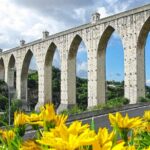
Also mentioned: the Água da Prata aqueduct outside the city walls, stretching from outskirts with arches still visible inside, built in the 16th century for water transport. This stop is free, and it’s a nice closer because it ties together architecture across eras.
Chapel of Bones: skulls, bones, and a blunt message
The Capela dos Ossos in the Church of São Francisco is the ex-libris. It’s lined with skulls and bones of 500 monks, and the entrance warning says We bones who are here We wait for you.
Admission is not included. It’s short (about 30 minutes), but it’s intense enough to stick with you after the bus ride ends.
Ervideira Winery: 5 wines plus regional products included
Next is Ervideira, in the Alentejo. The tour explains the region’s climate and the need for added water to vineyards, with white wines typically smoother and slightly acidic, and red wines full-bodied with tannins. Then you get the payoff: a visit and tasting of 5 wines plus regional products.
Admission is included for this 1 hour 30 minutes stop, which makes the final day feel like a celebration rather than just another sightseeing hit.
Cork production at Corticarte: why Portugal controls the world
Corticarte is a cork processing factory visit. The tour’s key facts: cork is the bark of the Cork Oak; bark grows back, and the bark removal rhythm is described as every nine years. It’s framed as fire resistant and light, and it connects cork to wine stoppers and even sports equipment.
This stop is free. It’s also a refreshing switch from churches and palaces—you’re learning an industry that shapes daily Portuguese life and global products.
Tickets, comfort, and pacing: how to make this week feel good
The big practical thing to know is that not every attraction is included. Some highlights are free (like Baixa, Alfama, many market and station stops), while others mark admission not included—including the Belém Tower area, Sintra palace options, Coimbra University pieces like the Joanina Library, Livraria Lello, Porto Cathedral, and the Chapel of Bones.
So your budget should include:
- hotel costs (not included)
- lunches (not included)
- entry fees for the “not included” sights
- any optional add-ons like boat trips suggested during the day
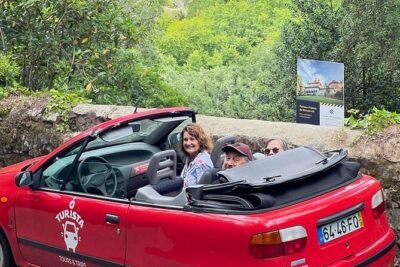
The comfort setup helps you handle the pacing. You get an air-conditioned vehicle, mineral water, Wi‑Fi on board, and a driver-guide model that keeps transport stress low. It also helps that the itinerary starts at 9:00am, meaning you’re not burning your day searching for what to do next.
For gear: old stones and steep streets are common in these cities. Wear walking shoes you trust. Also keep your plans flexible; even in a private tour, you’ll enjoy the day more if you don’t force every minute.
Should you book this private Portugal tour?
Book it if you want a Portugal sampler that covers Lisbon, Sintra, Fátima, Coimbra, Porto, the Douro, Aveiro/Nazaré/Óbidos, and Évora/Alentejo, all with one consistent guide voice. The included tastings (Sandeman Cellars and Quinta do Tedo) and the cork factory stop make this feel more grounded than a route made only of big-ticket monuments.
Skip it (or rethink) if you hate entrance fees and prefer super light days. Several major sights are not included for admission, and the schedule is busy across multiple regions—so you’ll be walking and paying attention most days.
If you’re traveling as a family or small group and you want someone like Vitor Pais to connect history to what’s right in front of you, this private format is one of the better ways to do it. You can also cancel up to 6 days in advance for a full refund, which gives you some breathing room.
FAQ
What time does the tour start?
The start time is 9:00am.
Does the tour offer pickup?
Pickup is offered, and pickup can start from another location by mutual agreement in advance.
What’s included in the price?
Included items are an air-conditioned vehicle, mineral water on board, Wi‑Fi on board, a driver guide, and personal accident insurance.
Are museum and attraction tickets included?
Some are free and included as stops, while others are marked as admission not included (examples include the Belém Tower area, Pena palace options, Coimbra University highlights, Livraria Lello, Porto Cathedral, and the Chapel of Bones).
Is this a private tour?
Yes. It’s private, and only your group participates.
Do you need to arrange meals and drinks?
Lunch and customers’ personal expenses are not included, so you’ll plan meals on your own while the tour handles the sightseeing stops.