
REVIEW · LISBON
Pasteis de Nata Experience
Book on Viator →Operated by Cooking Lisbon · Bookable on Viator
Warm custard. Crisp pastry. Lisbon in 90 minutes.
This Pastéis de Nata cooking class turns a famous Portuguese treat into something you can actually make, not just buy. I love the private, small-group setup (up to 12), because you get hands-on attention while still keeping the kitchen moving. I also love that you leave with more than a snack: you get a taste of what makes the dessert work, plus recipe PDFs by email. The main drawback to consider is timing: it starts at 9:30am and runs like a real class, so plan to arrive early and be ready to cook.
You’ll meet at R. Bernardim Ribeiro 9, and the location is easy to reach, with Anjos Metro Station very close (about 50 meters). Expect a straightforward plan: learn the dough and custard approach, then sit down for coffee, tea, milk, or juice along with the Pastéis de Nata you made.
In This Review
- Key things to know before you go
- Pastéis de Nata: why this class feels like Lisbon, not a performance
- Your 90-minute plan: how the morning typically runs
- 1) Arrive, get settled, and start cooking with your group
- 2) Learn the method, not just the end result
- 3) Eat the results as a real brunch-style finish
- Where it happens: the meeting point and why proximity matters
- Price and value: what $72.08 gets you (and what it doesn’t)
- What makes the class work: small groups, real participation, clear teaching
- The Pastéis de Nata you’ll taste: what to look for in the first bite
- Morning planning tips: how to fit it into your Lisbon day
- Who should book this cooking class in Lisbon?
- One thing to watch out for
- Should you book the Pastéis de Nata Experience?
- FAQ
- How long is the Pastéis de Nata cooking class?
- What time does the class start in Lisbon?
- Where is the meeting point?
- Is the class in English?
- Is there a mobile ticket?
- What’s the group size limit?
- What’s included in the price?
- What dessert do you make?
- Are gifts included?
- Is free cancellation available?
Key things to know before you go

- Small private class (max 12): You’re not stuck watching from the sidelines.
- Start time is fixed at 9:30am: Build your morning around the class schedule.
- Taste and drinks included: Coffee, milk, tea, and juice come with your homemade pastries.
- Recipe PDFs emailed after: A practical souvenir you can use back home.
- Pastel de nata tins may be for sale: Useful if you want to keep baking.
- Mobile ticket and English offered: Easy to manage and built for English speakers.
Pastéis de Nata: why this class feels like Lisbon, not a performance

Lisbon’s Pastéis de Nata isn’t just a dessert. It’s a story baked into layers of pastry and custard, with a specific origin tied to the city. The dessert traces back to the 18th century, when monasteries and convents in Lisbon used huge quantities of egg-whites for starching clothes, including nun’s habits. The egg yolks then found their second life in pastries and cakes, and Portuguese sweet recipes multiplied from there.
In this class, that context matters. You’re not only learning technique; you’re learning why this dessert became what it is. That small bit of meaning turns the kitchen into something closer to a local food lesson than a generic cooking show.
And yes, the payoff is immediate. You make the Pastéis de Nata, then you sit down and taste what you produced. That rhythm—cook, rest, taste—fits a morning trip perfectly.
You can also read our reviews of more tours and experiences in Lisbon.



Your 90-minute plan: how the morning typically runs
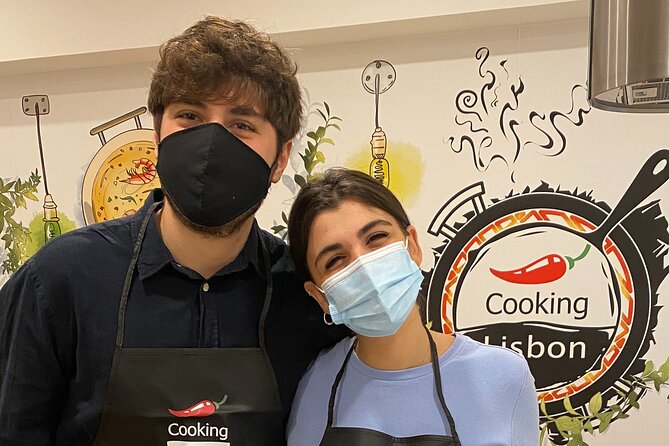
The class runs about 1 hour 30 minutes, starting at 9:30am. The flow is simple, which is exactly what you want on a vacation: you get a clear sequence, you’re not stuck waiting around, and you end the session ready for the rest of your day.
Here’s how to think about it in practical terms:
1) Arrive, get settled, and start cooking with your group
You’ll gather at R. Bernardim Ribeiro 9, 1150-068 Lisboa. It’s near public transportation, and Anjos Metro Station is about 50 meters away. If you’re traveling light, walking from the metro is the easiest move.
Once you’re inside, the lesson focuses on the steps that make Pastéis de Nata work: the pastry approach and the custard you’ll use to fill the tins. In a small class, that means you can actually take part—mixing, prepping, and working at the pace of the group instead of only observing.
2) Learn the method, not just the end result
This is where you should pay attention. You’ll be working toward the signature Pastéis de Nata profile: flaky pastry plus a custard filling that bakes into a classic texture.
Based on how the class has been described, the teaching style keeps things organized and clear. The host (often mentioned by name as Felipe) explains how things work and gives you chances to participate in the process.
3) Eat the results as a real brunch-style finish
At the end, you get a seat to enjoy your creations. The included drinks are coffee, milk, tea, and juice, so you’re not just chewing hot custard with nothing to drink. It’s a nice way to turn the class into a satisfying breakfast or brunch stop—then you can roll into the rest of Lisbon feeling fueled.


Where it happens: the meeting point and why proximity matters
If you’ve ever taken a food tour, you know the real enemy is logistics. This one helps you out. The start point is in a location with easy transit access, including being near Anjos Metro Station. That’s great if you’re staying elsewhere in the city and want a low-stress morning.
Also, you’re told the activity begins back at the meeting point. So once you finish tasting, you’re not left figuring out how to get home mid-morning. It’s a loop that keeps your day simple.
One more practical note: pastel de nata tins are available to purchase near the activity. If you’ve ever tried baking these at home without the right tools, you’ll understand why that detail helps.
Price and value: what $72.08 gets you (and what it doesn’t)
At $72.08 per person, this class isn’t a bargain-basement snack. But it also isn’t a luxury “just watch and eat” experience.
Here’s what you get for the price:
- A hands-on cooking class (about 1 hour 30 minutes)
- A small group experience (max 12 travelers)
- Private class style for more attention
- Included drinks: coffee, milk, tea, juice
- Activity insurance
- WiFi available
- Recipe PDF files emailed after (a real home-cook bonus)
Not included: gifts. That’s it.
For me, the value comes from the combo: you’re paying for instruction + ingredients + an end-of-class sit-down + materials you can use later. The recipe PDFs are the quiet win here. A lot of cooking classes give you a memory; fewer give you something you can actually cook from at home without guessing.
What makes the class work: small groups, real participation, clear teaching
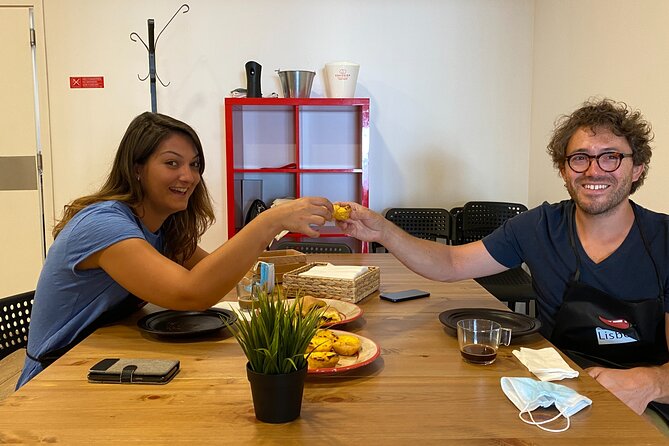
The most praised elements of this experience point to one theme: it’s built to keep you doing the work.
When a kitchen session is done right, three things happen:
1) You can participate.
2) Someone explains what you’re doing and why.
3) You don’t feel rushed or lost.
This class hits those points through the small maximum group size (up to 12) and a setup designed for a compact teaching space. People have noted that the kitchen fits the group well, and that everyone has a chance to participate in the process.
On the teaching side, Felipe is specifically mentioned in feedback for explaining the steps and making sure it works for the group. That kind of clear instruction matters when you’re trying to replicate a pastry famous for being finicky.
The Pastéis de Nata you’ll taste: what to look for in the first bite
You’re going to eat what you make, so your expectations should be realistic. This isn’t a silent tasting of delicate museum pastries. It’s a warm, freshly baked product at the end of a practical session.
When the class goes well, you’ll notice:
- The pastry should feel properly layered rather than soggy.
- The custard should set in the bake and taste rich without being flat.
- The flavors should feel like they belong to Lisbon’s version of comfort food.
Even if you’ve eaten Pastéis de Nata before, this experience has a different angle: you’ll recognize which steps shape the result. That’s why the context about egg yolks and the monastery background isn’t just trivia—it helps you connect cause and effect.
Morning planning tips: how to fit it into your Lisbon day
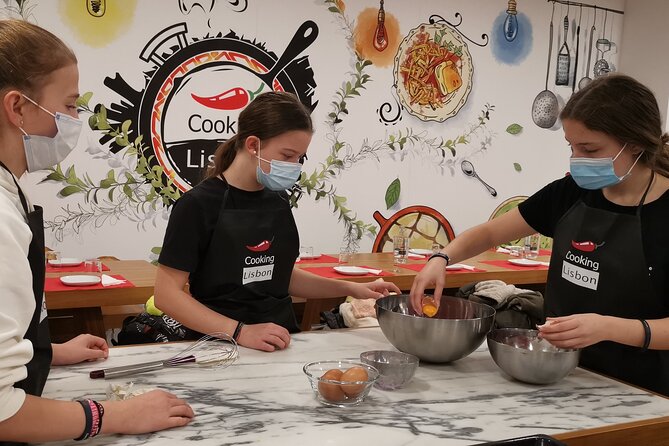
Because the start time is 9:30am, plan your morning like a local. You want to arrive with enough time to settle and start promptly.
A few practical moves:
- Give yourself a buffer to reach R. Bernardim Ribeiro 9.
- Treat it like a food stop, not a casual walk-by. You’ll want to be present for the hands-on part.
- Plan your next activity for after you’ve finished tasting and drinking, since the class is essentially your brunch.
If you want to turn this into the perfect food morning, think in terms of flow: class ends back near where you started, and you’re already fed.
Who should book this cooking class in Lisbon?
This experience is a strong fit if you:
- Want a hands-on activity that feels genuinely Portuguese.
- Like small-group instruction more than large tour crowds.
- Prefer a morning plan with a satisfying food payoff.
- Want recipe PDFs you can use later.
It’s also a good option for mixed ages, since the format is built around group participation and clear steps rather than advanced culinary technique.
If you’re the type who only wants to eat and not cook, this might feel a bit active. But if you enjoy learning even a single signature recipe, it’s exactly the kind of trip activity that pays off.
One thing to watch out for
One review raised a serious concern about a no-show situation. The response from the provider said there was no record of that booking and asked the reviewer to double-check the platform. While that doesn’t guarantee anything, it does highlight a simple travel habit: keep your confirmation and show up a little early so the start isn’t stressful.
If you’re risk-sensitive, consider sending a quick message ahead of time through the booking channel to confirm your exact details are correct. That’s a small step that can protect your morning.
Should you book the Pastéis de Nata Experience?
I’d book it if you want a Lisbon morning with real participation, a small-group feel, and practical take-home value. The class checks the boxes that usually matter most: small size (max 12), English offered, included drinks, and recipe PDFs emailed after.
Skip it only if you’re looking for a passive food tasting, or if your schedule is so tight that a fixed 9:30am start could throw your day into chaos. Cooking classes reward punctuality.
If you want to leave Lisbon not just with photos, but with a recipe you can repeat, this is a smart use of time—and a very delicious one.
FAQ
How long is the Pastéis de Nata cooking class?
It lasts about 1 hour 30 minutes.
What time does the class start in Lisbon?
The start time is 9:30am.
Where is the meeting point?
The meeting point is R. Bernardim Ribeiro 9, 1150-068 Lisboa, Portugal.
Is the class in English?
Yes, English is offered.
Is there a mobile ticket?
Yes, the tour uses a mobile ticket.
What’s the group size limit?
The class has a maximum of 12 travelers.
What’s included in the price?
The activity insurance, drinks (coffee, milk, tea, juice), recipe PDF files emailed by email, and WiFi are included.
What dessert do you make?
The dessert included is Pasteis de Nata.
Are gifts included?
No, gifts are not included.
Is free cancellation available?
Yes, you can cancel for a full refund up to 24 hours in advance of the experience’s start time.