REVIEW · ALFAMA & OLD TOWN TOURS
Discover Lisbon’s Alfama: Secrets of the Old Town
Book on Viator →Operated by Discover Lisbon · Bookable on Viator
Alfama rewards slow steps and smart stories. This 2.5-hour walk strings together Rossio and the old-town spine of Alfama with an expert guide, plus stories about Lisbon’s past—including the earthquake and its aftermath. I especially love the way you get context at each stop, not just photos, and I also like the short, efficient timing that still hits four major sights. One drawback to weigh: the pace assumes moderate fitness, and you only get brief looks at each landmark, so you may want to come back for longer later.
If you’re trying to understand why Alfama looks the way it does, this tour gives you the backstory you can actually use while you wander. The group stays manageable (up to 100), it runs in English, and you finish near Lisbon Cathedral, where lunch options are an easy next step.
In This Review
- Key moments I think you’ll care about
- Rossio to Alfama: the 2.5-hour walk that gets you oriented
- Praca Dom Pedro IV: a ticketed launch into the old-town flow
- Teatro Nacional Dona Maria II: learning Lisbon through what you can see from outside
- Igreja de S Domingos: the inside stop where history becomes tangible
- Castelo de São Jorge: a fast, high-impact lesson in deep time
- The earthquake stories and legends: why they’re the real tour engine
- Price and value: what you really get for $3.62
- Timing, shoes, and lunch after: planning like a pro
- Who should book this Alfama secrets walk (and who might skip it)
- Should you book?
- FAQ
- How long is the Discover Lisbon Alfama tour?
- Where does the tour start?
- Where does the tour end?
- Is the tour offered in English?
- Does the tour use a mobile ticket?
- What is included in the tour price?
- Are there any admission fees included?
- Are alcoholic beverages included?
- Is there a recommended contribution to the guide?
- Is cancellation allowed if the weather is bad?
Key moments I think you’ll care about
- Rossio Square start: you get your bearings fast before heading into Alfama
- Praca Dom Pedro IV ticketed stop: an organized start with admission included
- Teatro Nacional Dona Maria II outside only: you learn what matters without long lines
- Igreja de S Domingos inside: time to see the church and hear its history
- Castelo de São Jorge history in minutes: from VIII BC occupation to fortifications
- Earthquake stories: the past gets explained in plain language, not museum captions
Rossio to Alfama: the 2.5-hour walk that gets you oriented
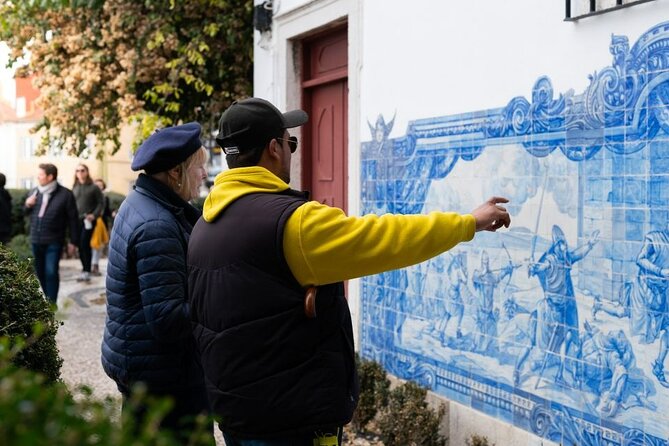
This tour works best as an orientation walk. You start at Praça do Rossio, then move through key areas before the route narrows into the old-town feel of Alfama. The whole experience is about 2 hours 30 minutes, and it’s paced as a walking tour—so you’re active, but it isn’t a marathon.
I like tours like this because they help you stop guessing. Instead of wandering Alfama with only instinct, you get a guided line through the neighborhood’s biggest landmarks. That matters in Lisbon because the city can feel layered and confusing unless someone gives you the map in words.
It also helps that the tour stays structured. You’ll hit four named stops, each with a set amount of time. That means you don’t lose the day to wandering, and you can still use the rest of your time to explore on your own.
One practical note: the tour is listed as requiring moderate physical fitness, and Lisbon’s old streets can be uneven. Bring shoes you can walk in for a couple of hours without thinking too much about it.
You can also read our reviews of more tours and experiences in Lisbon.



Praca Dom Pedro IV: a ticketed launch into the old-town flow
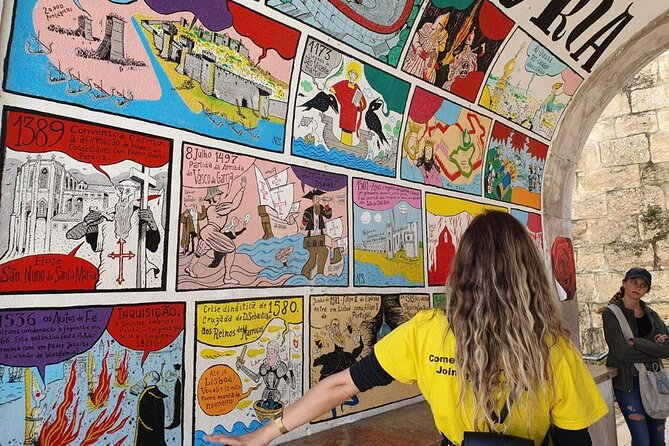
The first stop is Praca Dom Pedro IV, around 20 minutes, and the tour includes an admission ticket for this part. Even though the time is short, the value is that you start with a place that helps anchor the rest of the walk. It’s an early chance to connect the route you’re on with a major public square in the city.
What I like here is the shape of the experience: you begin in the open, then gradually move into tighter streets and heavier history. That shift is part of why Alfama feels different from other Lisbon neighborhoods. Starting with a structured visit makes the later stops easier to follow.
The main consideration is also time. Twenty minutes is enough for the key points, but not enough for deep lingering. If you enjoy long photo breaks, you’ll probably want to return later on your own.
Teatro Nacional Dona Maria II: learning Lisbon through what you can see from outside
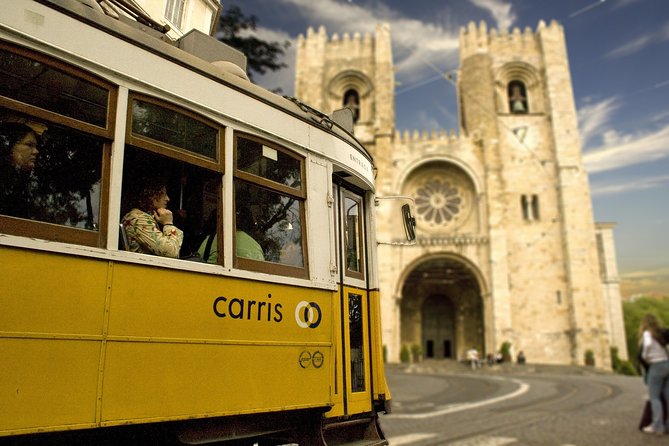
Next up is Teatro Nacional Dona Maria II, about 10 minutes. You’ll view it from the outside only, and admission isn’t required for this stop.
This is a clever choice if your goal is understanding without getting bogged down. Theater buildings can look complicated, and quick exterior explanations can be the fastest way to learn what you should notice—shape, presence, and how the building fits into the city’s story.
A potential drawback: if you’re the kind of traveler who wants to go inside every listed sight, this stop may feel a bit like a teaser. The tradeoff is that it keeps the schedule moving so you still have time for the church interior and the castle.
Igreja de S Domingos: the inside stop where history becomes tangible
The tour then brings you to Igreja de S Domingos for around 15 minutes, with the big difference that you’ll go inside. Admission is listed as free, and the guide includes history and facts during the visit.
This stop is often where tours become memorable. Seeing a church in person changes the way you understand stories you’ve heard. Even if your time inside is limited, you get that first-hand sense of the space, not just a street-level view.
If you like learning in context, this is also a strong moment for your brain to switch gears. Up to now, you’re mostly moving between outdoor landmarks. Now you get a quiet pocket where you can pay attention to what the guide points out.
Because the time is set, don’t plan on wandering at your leisure. The value here is the guided explanation, so focus on what your guide is connecting rather than trying to read every surface yourself.
Castelo de São Jorge: a fast, high-impact lesson in deep time
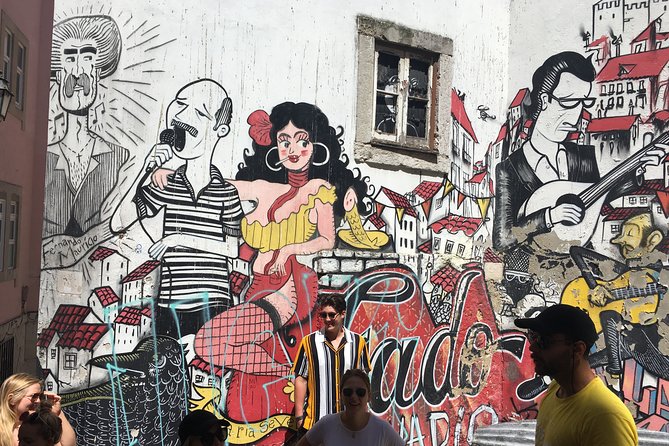
The final landmark stop is Castelo de Sao Jorge, about 15 minutes. The hill is in the parish of Santa Maria Maior, and the tour includes historical context that’s genuinely striking: human occupation of the hill dates back to at least VIII BC, and the first fortifications built date back to the first century BC.
Even in a short visit, this kind of timeframe can change how you see Lisbon. It’s one thing to know a city is old. It’s another thing to hear that the ground beneath Lisbon’s neighborhoods has been occupied for thousands of years and fortified long before many European capitals even existed in recognizable form.
The main consideration is duration. Fifteen minutes is enough to absorb the story and take in the basic experience, but it’s not enough to satisfy someone who wants a long, slow castle visit. If you’re a castle person, treat this as your guided “starter chapter.” After the tour, you’ll probably want to return for a longer look.

The earthquake stories and legends: why they’re the real tour engine
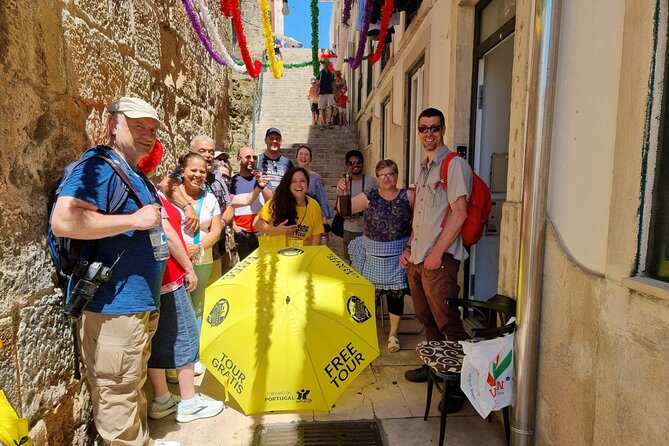
Included in the experience are intriguing stories and legends, plus the history of earthquake and destructions in the past. In my view, this is the part that turns a set of stops into a narrative.
Lisbon’s history isn’t just dates on plaques. It shows up in how buildings and neighborhoods survive, adapt, and get rebuilt. When your guide explains those disruptions in plain language, you start noticing patterns on your own—like what areas seem newer, what looks rebuilt, and how the city’s layout carries scars from older events.
This is also where a good guide matters. One guest specifically called out Valeria for being pleasant, easy to talk to, and clear about Lisbon’s history. That kind of communication style can make a short walk feel longer, because the stories give your feet a reason to move.
If you’re the type who loves history but hates lectures, these legends and earthquake stories are structured enough to keep things lively without turning into trivia dumps.
Price and value: what you really get for $3.62
At $3.62 per person, this walk is priced like a budget-friendly way to get orientation plus key sights. That’s not free-by-default territory, but it is excellent value if you’re comparing it to paying separate admission fees while also paying for a guide.
Here’s what makes the money make sense:
- You get an expert local guide
- You walk for about 2.5 hours with history and legends
- You have at least one stop where admission is included (Praca Dom Pedro IV)
- The tour also notes discounts for other tours in the day and at night, which can stretch your itinerary
What’s not included is also important for budgeting. Alcoholic drinks are not included (no wine or ginjinha tasting). You’ll also need your own transport ticket, if you use public transit before or after the walk.
And one more thing you should plan for: a guide contribution of 10–20€ is listed as not included. That means if you want the local-guide experience to continue well, build tipping into your day rather than treating it as optional math.
Timing, shoes, and lunch after: planning like a pro

This tour is near public transportation, which is great because Lisbon hopping can be easier when you’re not far from a transit line. The main requirement is good weather. If conditions are poor, the tour can be moved to a different date or you can get a full refund.
On the day itself, think footwear. Old Lisbon streets can be uneven, and the tour expects moderate fitness. You don’t need athletic gear, but you do want shoes with good grip.
Then there’s the finish, which I genuinely like for practical reasons. The tour ends at Lisbon Cathedral (Largo da Sé 1), and the area is described as having lots of restaurants for lunch. That means you don’t have to scramble for food right after your walk. You get a built-in next step.
If you’re planning your day tightly, this is also a good “first half” activity. It gives you the big-name anchors, and then you can wander with fewer wrong turns.
Who should book this Alfama secrets walk (and who might skip it)
I’d book this if you want:
- A guided way to understand Alfama fast
- A history-and-legends style tour rather than a photo-only stroll
- Key stops that are spread out enough to prevent boredom
- An ending near Lisbon Cathedral so lunch is easy
You might consider skipping or pairing it with a longer follow-up if:
- You want lots of time inside each major sight (this tour keeps stops tight)
- You prefer very relaxed pace with long independent wandering breaks
- You don’t like moderate walking on uneven streets
This is a good fit for first-timers, couples, and solo travelers who enjoy learning while moving. It’s also suitable if you’re juggling the rest of your Lisbon day and need a clear, efficient route.
Should you book?
Yes, I think you should book it—especially if you want Alfama context without spending all day on logistics. The best reason is the combination: key landmarks plus earthquake stories and legends, delivered in a short walking format that keeps the day moving.
Just go in with the right expectations. This is a sampler that helps you see Alfama with clearer eyes, then invites you to return for deeper exploration later. If you plan around moderate walking, wear good shoes, and budget a guide contribution, you’ll get strong value from a guide-led introduction to Lisbon’s old-town heart.
FAQ
How long is the Discover Lisbon Alfama tour?
It runs for approximately 2 hours 30 minutes.
Where does the tour start?
The meeting point is Rossio Square (Praça do Rossio, 1100-200 Lisboa, Portugal).
Where does the tour end?
It ends near Lisbon Cathedral (Largo da Sé 1, 1100-585 Lisboa, Portugal).
Is the tour offered in English?
Yes, the tour is offered in English.
Does the tour use a mobile ticket?
Yes, the tour includes a mobile ticket.
What is included in the tour price?
The tour includes an expert local guide, a walking tour of about 2.5 hours, intriguing stories and legends, and the history of earthquake and destructions. Discounts for other tours are also included.
Are there any admission fees included?
Yes. The first stop includes an admission ticket, and the other mentioned stops are listed as having free admission for that part of the experience.
Are alcoholic beverages included?
No. Wine and ginjinha tasting and alcoholic beverages are not included.
Is there a recommended contribution to the guide?
A contribution to the guide of 10–20€ is not included.
Is cancellation allowed if the weather is bad?
Yes. The experience requires good weather. If canceled due to poor weather, you’ll be offered a different date or a full refund.