REVIEW · LISBON
Descubra os Vinhos e a Gastronomia de Setúbal: Partindo de Lisboa
Book on Viator →Operated by Wine Gastro Experience · Bookable on Viator
Dolphins and Moscatel in one long day. This Setúbal and Azeitão food tour is interesting because it mixes fish-market snacks with time on the water, plus guided tastings later. I like the small-group feel (up to 8) and the door-to-door transfers that keep you from juggling buses or a designated driver. The one thing to watch is timing: it’s a full 8-hour morning-to-afternoon stretch starting at 8:00 am.
My second favorite part is the tutored food-and-drink sequence, where you don’t just taste—you get context. You’ll visit historic cellars tied to Moscatel, then meet a specialist for two group tastings focused on local wine and olive oil. The only real drawback I see is that lunch isn’t included in the price, so you should plan for that extra cost once you’re at the restaurant.
In This Review
- Key highlights at a glance
- Setúbal and Azeitão from Lisbon: why this route works
- Mercado do Livramento: your breakfast, snack-table, and Setúbal intro
- Catamaran dolphin spotting on the Sado River (and how to enjoy it)
- Serra da Arrábida and Castelo de São Luís: a scenic break that matters
- Lunch time at a winery almost 200 years old (and what to budget)
- Moscatel cellar visit: what you learn by going underground
- Two group tastings: wine and olive oil with a specialist
- Snacks, drinks, and what’s actually included
- The artisanal azulejos stop: small craftsmanship, good contrast
- Price and value: is $86.82 a good deal?
- Logistics that affect your day more than you think
- Who this tour fits best (and who should rethink it)
- Should you book this Setúbal and Azeitão experience?
Key highlights at a glance
- Mercado do Livramento tastings: Try local bites like ginjinha, oysters, cheese, fresh bread, and sweets
- Sado River catamaran dolphin spotting: The tour is built around seeing wild dolphins
- Serra da Arrábida viewpoint stop: A pause at Castelo de São Luís for bay views
- Historic winery time: Lunch at a winery dating back almost 200 years
- Moscatel cellar visit plus tastings: The focus is on local wine and olive oil with guided guidance
- Artisanal azulejos stop: Watch small-scale craftsmanship during the day
Setúbal and Azeitão from Lisbon: why this route works
If you’re basing yourself in Lisbon, this is a smart way to see a different side of Portugal without losing the whole day to logistics. Setúbal is known for seafood, while Azeitão is tied to wine culture, especially Moscatel. This tour stitches those two worlds together so you get both the coastline flavors and the cellar story in one go.
The pace also makes sense for people who like variety but still want structure. You start with food on land, shift to the Sado River by catamaran, then return to wine country with a scheduled lunch and guided tastings. With a professional chef guide and a small maximum group size of 8, you’re less likely to feel like you’re being rushed through checklists.
You can also read our reviews of more tours and experiences in Lisbon.



Mercado do Livramento: your breakfast, snack-table, and Setúbal intro
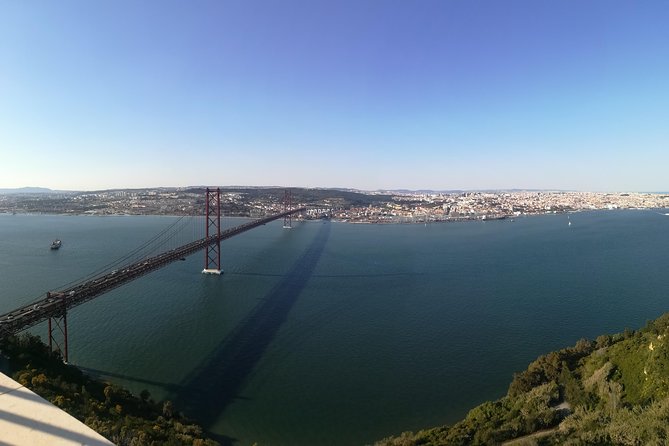
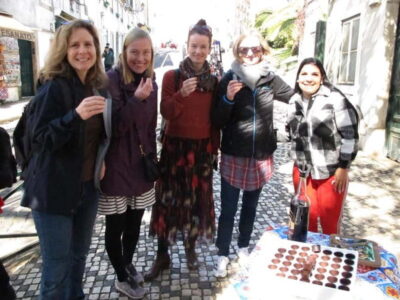
The day starts in Setúbal at Mercado do Livramento, one of the best ways to understand local eating habits quickly. A market like this isn’t just about shopping. It’s a live map of what the region values: seafood, bread, cheese, and the sweet stuff people actually enjoy with a coffee or a small drink.
You’ll sample local snacks and nibbles, and you’ll get enough variety to build a real sense of the flavors. Expect items like ginjinha, fresh oysters, cheese, fresh bread, and traditional sweets. I like this approach because it teaches you how locals build a meal, even if you’re not sitting down for a full course right away.
Practical tip: go easy at the market if you’re hoping to be hungry later for a wine-and-olive-oil tasting. The snacks are included, and after oysters and sweets, “just one more bite” turns into an actual meal fast.
Catamaran dolphin spotting on the Sado River (and how to enjoy it)
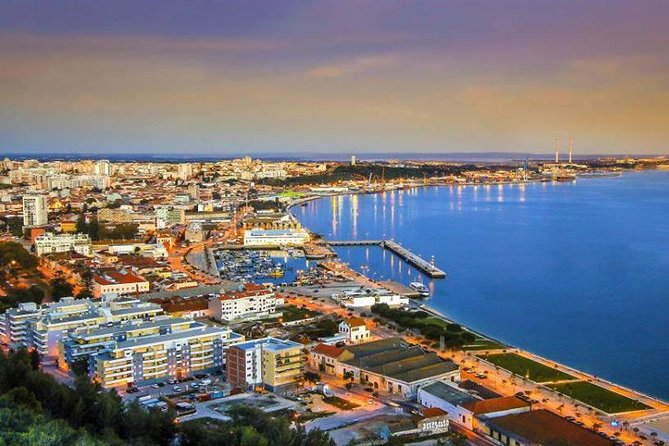
Then comes the part that makes people book this tour: the catamaran trip on the Sado River to spot wild dolphins. This isn’t framed as a photo shoot. It’s more like an outing where the guide and the boat time help you line up with where the dolphins are likely to show.
In the short review feedback I saw, the dolphin time was a huge win, with one guest noting they saw a lot of dolphins and that the guide helped them make the most of the day. That matches what you want from an activity like this: calm direction, good timing, and someone who can explain what you’re seeing while you’re actually watching.
What to do to make it work: dress for wind and spray even if the morning looks mild. You’ll also want your eyes up, not locked on your camera screen. Dolphins can show fast, then move on.
Serra da Arrábida and Castelo de São Luís: a scenic break that matters

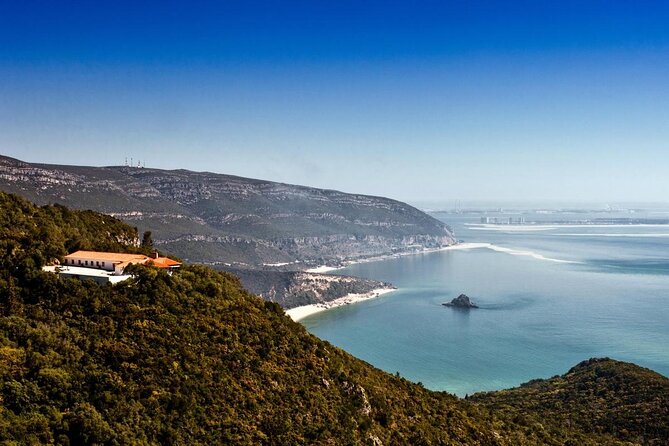
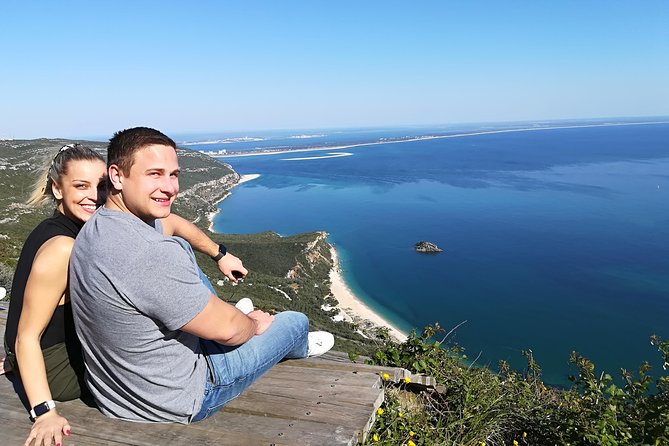
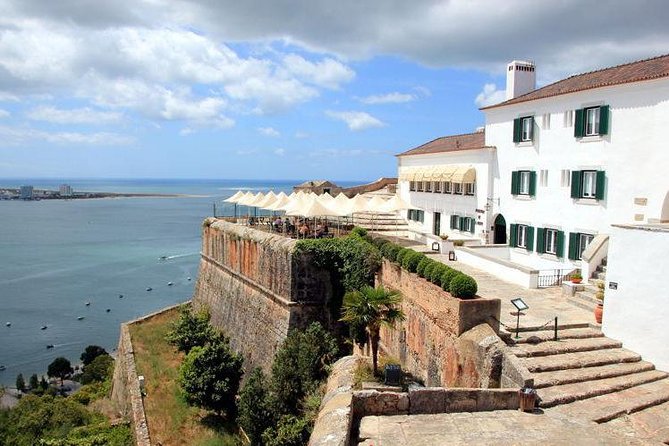
After the water time, the tour shifts into scenery mode. You’ll travel through the Serra da Arrábida area and stop at Castelo de São Luís in Setúbal. This is the kind of pause that pays off later, because it gives you context for why the coastline and coves feel so dramatic.
From the castle, you can take in panoramic views over the bay. Even if you’re not a “lookout” person, this stop is useful because it ties together the day’s themes: a seafood city shaped by the water, and a wine region shaped by the hills and routes between towns.
Footnote for comfort: this is a sightseeing stop in addition to the market and catamaran. Bring shoes that can handle uneven ground, and expect you’ll do more walking than you might if you only thought of this as a tasting tour.
Lunch time at a winery almost 200 years old (and what to budget)
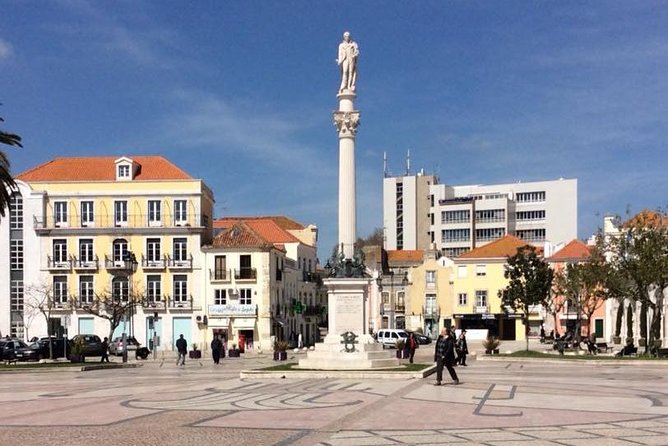
Next is lunch at a historic winery in the mountains. The winery is described as dating back almost 200 years, and the restaurant feel is traditional. The focus is on fish grilled and fresh seafood, which fits the Setúbal reputation perfectly.
One important detail: lunch is not included in the price. So while you get the winery setting and the lunch stop, you should plan to pay for your meal there. Think of the $86.82 as covering the guide, tastings, snacks, and the structured day—not the full restaurant bill.
I also like this choice because it breaks the day into digestible chunks. You’ve already tasted snacks at the market, then you’ve been on the water. Lunch is the moment to slow down, eat something warm, and reset before the wine-and-olive-oil portion.

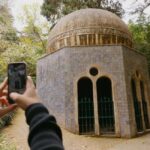
Moscatel cellar visit: what you learn by going underground
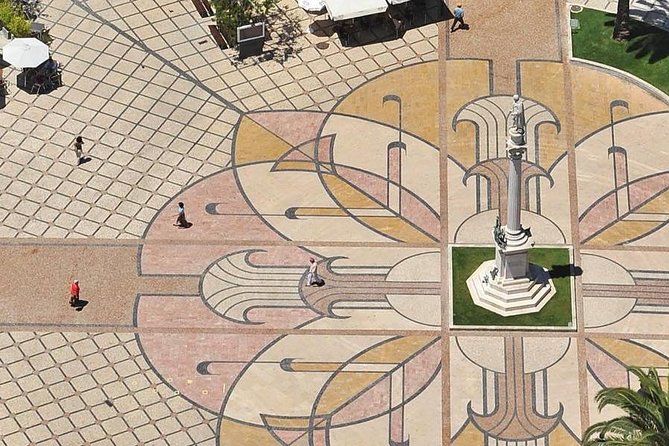
After lunch, you move into the cellar side of Azeitão and Setúbal’s food culture. One stop is at an older, historically significant wine facility, described as the oldest cellar in the region. This part is specifically tied to Moscatel, including learning secrets of how it’s treated and why it matters locally.
This is the value add over doing a wine stop on your own. A Moscatel-focused visit isn’t just a chance to drink something sweet. It’s a lesson in how regional grapes, aging choices, and production methods create a distinct identity. You’re tasting with background, which makes the flavors make more sense.
If you’re used to wine travel that’s mostly about scenery, this is the opposite: it’s about process. And since the guide is a professional chef, you also get that food-first lens that keeps it from feeling like a classroom.
Two group tastings: wine and olive oil with a specialist
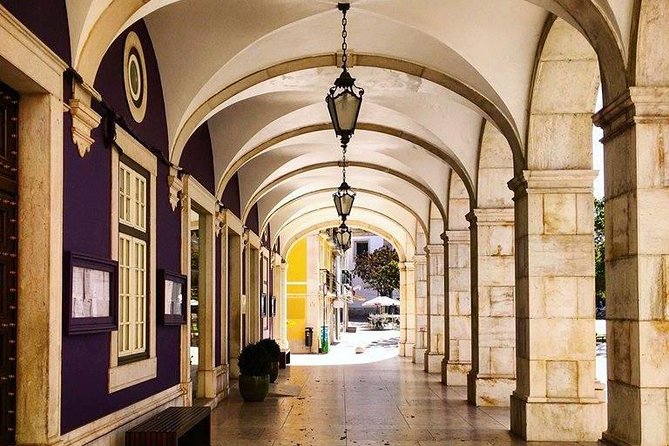
Later in the day, you meet a specialist for two group tastings: local wine and olive oil. This is where your earlier tastes start connecting. Market snacks show you the baseline flavors of Setúbal. The winery sets up the Moscatel story. Then the tastings give you structured comparisons so you can better tell the differences between bottles and oil styles.
Because this is done in a group format, it’s also interactive. You’ll have a chance to ask questions as you go, rather than being stuck at a bar with no guidance. You’ll also taste alcoholic beverages as part of the tour, so you’ll want to pace yourself. If you do drink, it helps to take small sips and alternate with water.
Practical advice: if olive oil is new to you, pay attention to how it smells first, then tastes second. A lot of the character shows up before you ever swallow.
Snacks, drinks, and what’s actually included
This tour keeps the food and drink components fairly tight to the schedule. You’re not paying separately for every small thing along the way because snacks are included, along with a bottle of water in the car. Alcoholic beverages are also included, which is great for value, since the tasting portion alone can be pricey on its own.
Just remember lunch is separate. So your day includes market tasting snacks, wine/olive oil experiences, and drinks, but not your main restaurant meal bill.
The artisanal azulejos stop: small craftsmanship, good contrast
One of the quieter stops is a visit to a small, talented artisanal azulejos factory. Even if you’re not a tile collector, this is a smart contrast point after a day heavy on food and wine. It’s a hands-on reminder that local culture lives in everyday objects, not just on menus.
You’ll get to see how azulejos are made, which also helps explain why tiles appear everywhere in Portugal. This is a practical kind of culture: slow work, careful process, and a local style that you can recognize later when you go back to Lisbon.
If you like to pick up small souvenirs, this kind of stop is often where you can find something more personal than a generic shop.
Price and value: is $86.82 a good deal?
At $86.82 per person for roughly 8 hours, the value is in the bundle. You get door-to-door pickup and drop-off from your hotel area, a local guide, included snacks, water, alcoholic beverages, market tastings, catamaran dolphin time, and guided wine and olive oil tastings with a specialist.
If you tried to copy this on your own, you’d likely pay separately for transportation, market access or tasting time, a dolphin boat outing, a winery meal, and then the tastings. Even without assigning exact prices to every component, the structure is doing the heavy lifting for you.
The group size cap of 8 travelers also matters. It usually means less waiting and more attention from the guide, especially during tastings and on the water.
Logistics that affect your day more than you think
Start time is 8:00 am, and transfers depend on the day’s traffic and timing. That means your actual start to the market scene might shift a bit, but the overall flow stays the same: you’re in Setúbal in the morning, and you’re back in Lisbon later that same day.
You’ll also have a mobile ticket, which is simple for day-of check-in. The tour operates in all weather conditions, so plan for rain or wind even if forecasts look fine. Dress appropriately, and bring a light layer you can put on quickly.
One more detail people forget until the last minute: a valid passport is required on the day of travel, and booking requires passport name, number, expiry, and country for all participants. If you’re traveling with kids, they must be accompanied by an adult.
Finally, service animals are allowed, and the meeting area is near public transportation, though you’re already covered with pickup and drop-off.
Who this tour fits best (and who should rethink it)
This is a strong match if you want a food-and-drink day with real variety: seafood market bites, dolphin spotting, mountain scenery, a historic winery lunch stop, and then structured wine plus olive oil tastings. The “chef guide” style helps because you’ll likely get more food context than you’d get on a generic sightseeing day.
It also fits couples, small friend groups, and anyone who hates coordinating a driver. Door-to-door transfers plus the tastings mean you can focus on tasting rather than planning.
You might want to reconsider if you’re not into drinking wine or olive oil, since the day includes alcoholic beverages and a guided tasting sequence. Also note that lunch isn’t included, so if you want a totally fixed all-in price with no restaurant payment later, this isn’t the cleanest fit.
Should you book this Setúbal and Azeitão experience?
If your idea of a great day includes seafood, wine culture, and time outside (specifically time on the Sado River), then yes, I’d book it. The best parts are exactly what you’d hope for: strong dolphin spotting with a guide who knows how to run the day, plus tutored tastings that connect Moscatel and olive oil to what you’re eating.
Book it if:
- you like food markets and want snacks with guidance
- you want a structured day from Lisbon with transfers handled
- you’re curious about Moscatel and local olive oil, not just wine tasting for its own sake
Skip it if:
- you only want scenery, not tastings
- you prefer a trip where lunch is included in the upfront price
- you can’t do a long morning start (8:00 am) and a full day rhythm
If you’re ready for a day that moves between water, markets, cellars, and tastings, this is a solid choice.