
REVIEW · SINTRA
Sintra: Hispanic Moorish Tile Workshop
Book on GetYourGuide →Operated by Estudio Lazuli - Artes e Eventos, Lda. · Bookable on GetYourGuide
A small studio class can beat a big tour. Here you make Moorish-influenced tiles in Sintra, step by step. I love the hands-on clay-and-mold portion and the chance to paint using the Hispano-Moresque / Aresta approach. The only drawback to factor in: your painted tile is fired afterward, so you won’t leave with it in hand.
In a tight 2-hour session running 3 to 5pm, you’ll learn the “Aresta” style technique of Islamic influence while choosing from a set of motifs. You’ll also get that classic azulejo look—geometric, patterned, and precise—without needing any prior art skills.
One more practical note: the class is for adults and kids 7+, and there’s no mention of food or drink being provided. Plan to arrive with water/coffee sorted, and you’ll enjoy a relaxed, focused afternoon.
In This Review
- Key things I’d plan around
- Where Sintra’s tile workshop fits into your day
- Hispano-Moresque tiles and the Aresta technique: what you’re really learning
- Your first task: clay, molds, and shaping the base
- Choosing motifs for your glazed tile (and why it matters)
- The firing step: where your tile becomes a real souvenir
- A note for U.S. participants (shipping limits)
- Cost and value: is $58 worth it?
- What the small group setup feels like in practice
- Tips to make your finished tile look great
- Who should book this Hispanic Moorish tile workshop
- Should you book it?
- FAQ
- How long is the Sintra Hispanic Moorish Tile Workshop?
- Is the workshop taught in English?
- How many people are in the group?
- Do I get to take the tile home the same day?
- Can the studio ship the finished tile?
- What ages is the workshop suitable for?
Key things I’d plan around
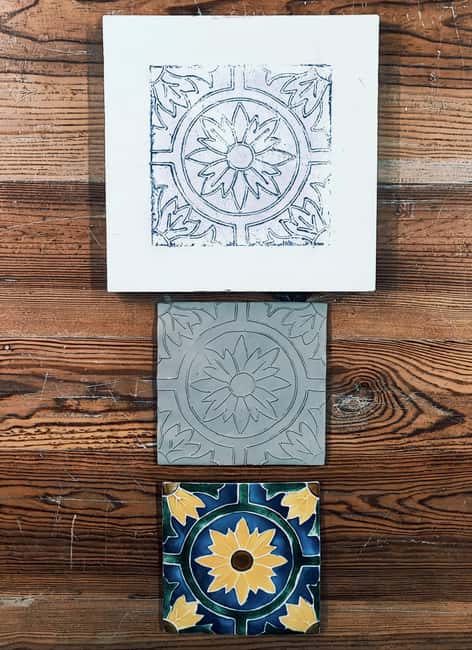
- Aresta technique in plain terms: Islamic-influenced tile decoration, explained as you make the work
- Clay first, glaze second: shape one tile with a mold, then paint a finished tile with colored glazes
- Motif choices: pick patterns from options on both molds and tiles
- Firing happens after class: your painted tile goes into the kiln, then you collect later
- Small group format: limited to 8 participants, with an English instructor
Where Sintra’s tile workshop fits into your day
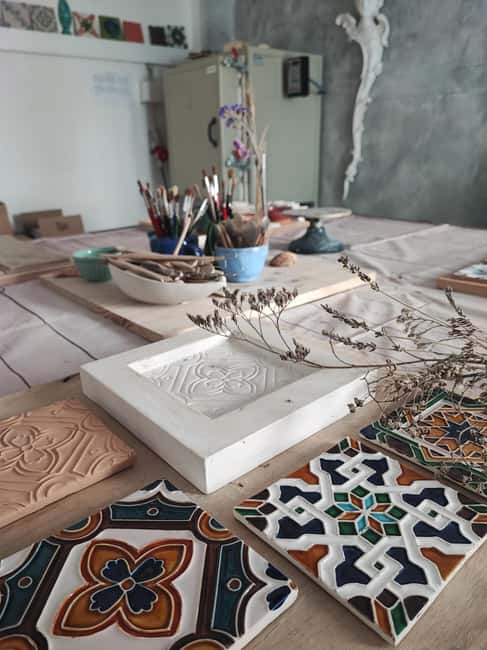
This workshop is in the Lisbon District, in Sintra—exactly the kind of activity that works well when you’re already exploring the town’s streets. The timing is friendly: it starts at 3pm and runs until 5pm in the studio. That gives you enough morning or early-afternoon hours for Sintra sights, then a creative break that doesn’t eat your whole day.
Also, this is a studio experience, not a quick “watch and move on” demonstration. Even with a small group, you’re actively making choices—molds, motifs, and how you apply the glazed paint. If you like souvenirs you can actually touch (and not just something you buy), this format tends to land well.
The value part is simple: the price covers the actual materials, your guided instruction, and the finishing step (firing). Since you’re paying for a finished artifact, not just a craft lesson, the workshop feels like a fair exchange—especially if you’d otherwise be buying a decorative tile or small ceramic as a keepsake.
You can also read our reviews of more tours and experiences in Sintra

Hispano-Moresque tiles and the Aresta technique: what you’re really learning
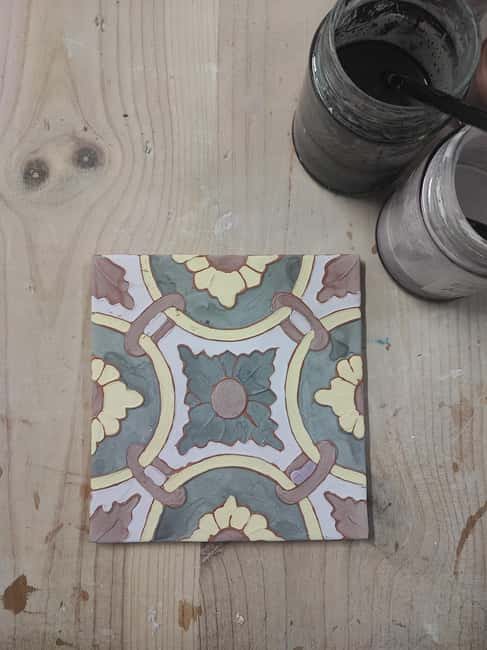
You’re learning a traditional tile decoration approach influenced by Islamic art, tied to what’s often described as Hispano-Moresque styling. In practical terms, that means you’ll focus on the kind of bold, geometric patterning that shows up across Portuguese azulejo (tilework) culture.
The centerpiece concept is the Aresta technique. You’re not just copying a picture—you’re practicing how the tile surface is planned and structured so the pattern reads clearly after firing. That matters because tiles look different once they’ve gone through heat: lines can look crisp or blurred depending on how the design is built and painted.
What I like about teaching this in a short workshop is that the explanation is tied to action. You choose a motif, you apply the method, and you see how your decisions affect the final look. It’s a fast way to understand why azulejos seem both decorative and architectural at the same time.
And you get context beyond aesthetics. The workshop frames the style as a historic craft tradition that moved through Iberia, influenced by centuries of design exchange. Even if you don’t care about history for its own sake, it gives you a reason for the exact patterns and the disciplined look.
Your first task: clay, molds, and shaping the base
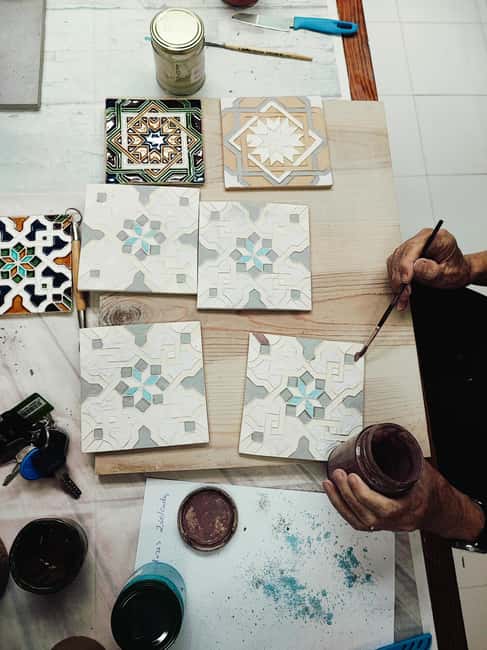
The workshop is built around a two-part making process. First comes clay and a mold. You’ll shape a tile using fresh clay and a mold—this is where you get a real feel for how tilework begins, before any color happens.
Why that step is worth your time: molding clay teaches you the structure. With tile art, the beauty depends on clean edges and consistent forms. When you shape the base yourself, you’re more likely to notice details when you later see azulejos around Sintra and Lisbon—design spacing, repeating shapes, and how symmetry is used to create balance.
This is also the moment when the instructor’s role becomes important. With a group of up to 8, you can usually get quick help—more like coaching than lecturing. If you make a mistake, it’s not the end of the world; clay and tilework are forgiving in the moment, and you’re working within a guided process.
Choosing motifs for your glazed tile (and why it matters)
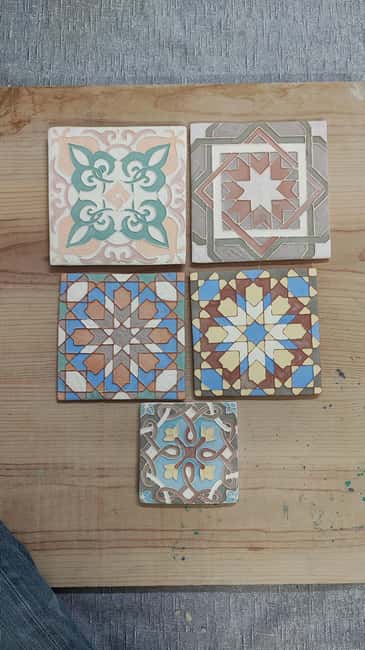
After the clay-and-mold phase, you move to painting with colored glazes. This is the fun part, because you get choices: you can select from a wide selection of motifs available on both molds and tiles.
That wording matters. Some workshops give you a single design and you’re stuck. Here, you’re choosing from options, which means you’re more likely to end up with something that matches your taste—sharp geometric patterns, more intricate designs, or a motif that feels similar to what you’ve seen around town.
Painting with glazes is different from paint on paper. Glazes are made to survive firing and come out with a characteristic look after heat—often shinier and more luminous than you expect at first. If you’ve ever wondered why real tile designs seem “deeper” than printed images, this step is where you start to understand it.
The workshop results in one painted tile that goes to firing. Some people end up thinking about making more once they see how satisfying the final effect looks, and this format makes that future planning easy.
The firing step: where your tile becomes a real souvenir
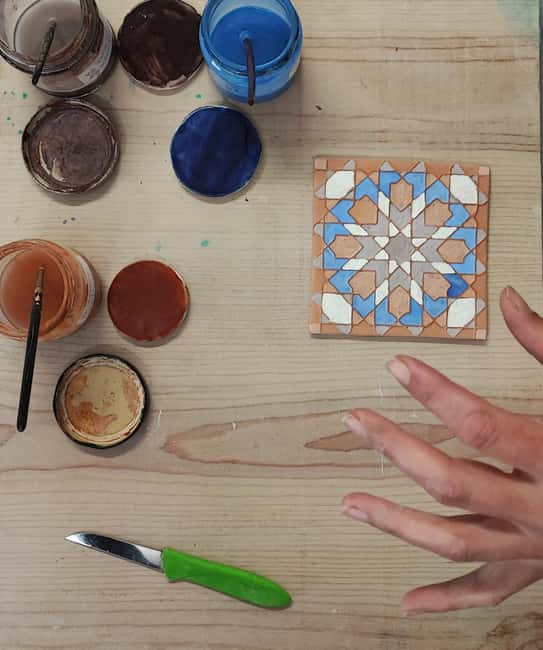
Here’s the practical twist: your painted tile doesn’t leave the studio right away. It stays there so it can be fired (kiln-baked) after the workshop.
You can pick it up later at the Studio within about 2–3 days—or you can have it shipped. This is a key value point. You’re not paying for a “craft you make and then babysit.” You’re paying for the full process: instruction, painting, and the firing that turns it into a finished ceramic keepsake.
For most people, collecting in person is simple. But if you want the easiest souvenir logistics, shipping (when available) is a nice option. Just don’t assume it’s instant, and keep a little wiggle room in your Sintra schedule so you can handle pickup or arrangements.






A note for U.S. participants (shipping limits)
This is important and you should plan around it. Due to temporary shipping restrictions, the studio currently says they cannot send painted tiles to the U.S. by mail. The fix is still workable:
- Your tile will be ready for pickup in 2–3 days.
- If you can’t collect in person, the studio can arrange delivery to your hotel via courier for an additional fee.
- They’ll also store your tile safely until shipping becomes available again.
If you’re traveling from the U.S., this alone is enough to change the decision from “ship it” to “plan for pickup or courier.”
Cost and value: is $58 worth it?
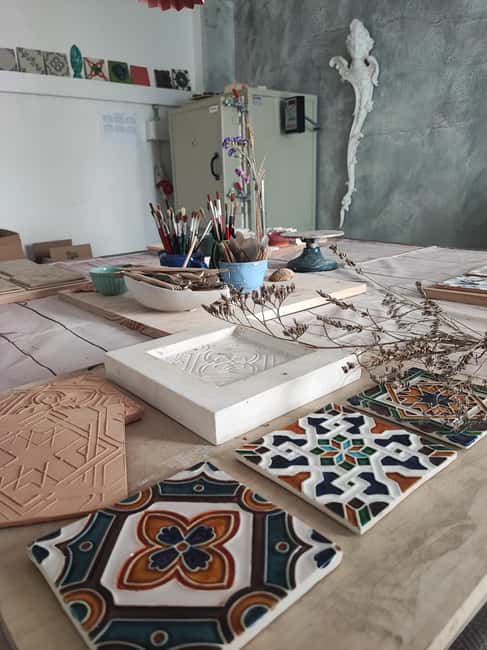
At $58 per person for a 2-hour workshop, you’re not just paying for labor time. You’re paying for:
- instructor guidance in English
- all materials and equipment
- one painted tile
- the firing service that finishes it
- the option to pick up later or ship (with fees where applicable)
That’s the value equation. If you try to buy a similar handmade tile-style souvenir in Lisbon/Sintra, you can easily spend more for something that doesn’t come with the story of how it was made. Here, your souvenir comes with a skill you learned and a process you can explain later—plus the satisfaction of having chosen your motif.
What’s not included is also clear: transportation, food and drinks, and shipping costs (optional). So it’s not a “do everything for you” ticket. Bring your own snack plans and figure out how you’ll get to the studio from wherever you’re staying.
What the small group setup feels like in practice
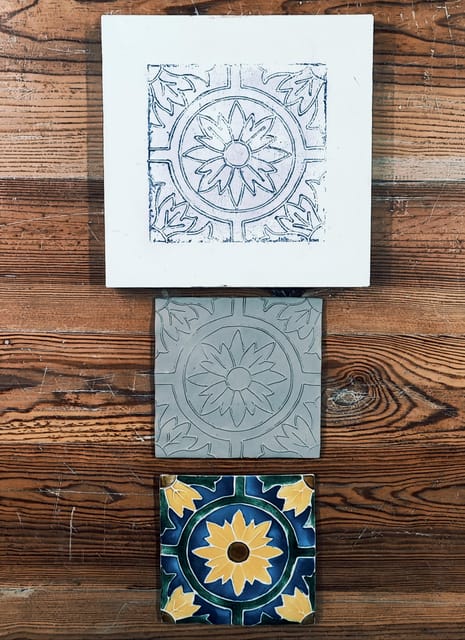
The workshop is limited to 8 participants. That size matters more than you’d think. In a small group, the instructor can correct technique quickly—like paint placement and how carefully you follow the Aresta-style approach so your pattern holds up after firing.
It also makes the experience calmer. You’re not competing for table space or fighting for attention while others line up for photos. For me, that’s part of the appeal: you get to slow down and actually make something, instead of rushing through a checklist.
Also, it’s wheelchair accessible, and the instructor is English-speaking, which is a big plus if you want the craft details without translation gaps. The session isn’t designed for toddlers either: it’s listed as not suitable for children under 7.
Tips to make your finished tile look great
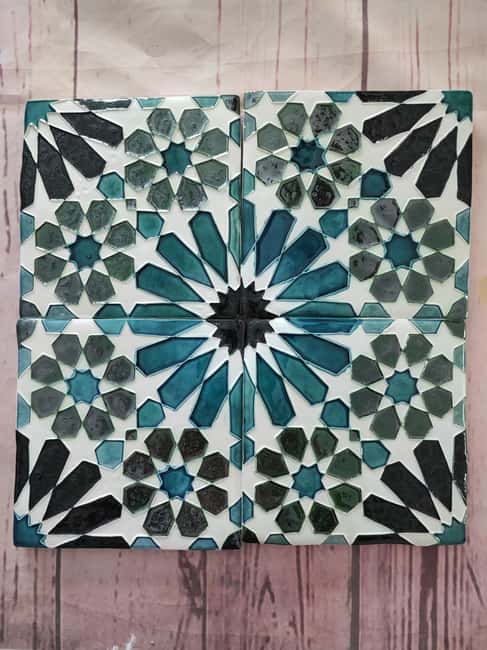
You won’t need art talent. You do need a little common sense. Here are the habits that help most people get a tile they’ll be proud to display:
- Arrive on time so you don’t feel rushed during the glaze-painting portion.
- When choosing a motif, pick one that matches how much detail you want to manage in two hours.
- Focus on clean lines and consistent spacing—Aresta-style work looks best when your pattern reads clearly.
- If you’re thinking about framing or displaying the tile back home, consider your design choices with that in mind before the firing step locks things in.
If you want to turn this into a mini craft day, pair it with some azulejo spotting in Sintra afterward. You’ll notice the patterns you just practiced, and you’ll understand how the motifs relate to the look of the buildings.
Who should book this Hispanic Moorish tile workshop
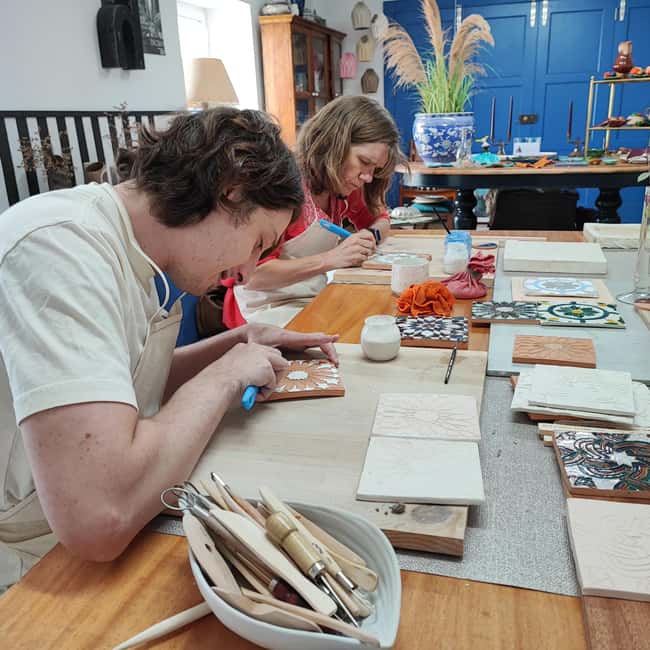
This is a strong fit if you:
- want a hands-on azulejo-style souvenir that you can actually keep
- like learning a technique and applying it quickly (not just making a generic craft)
- enjoy history when it’s connected to a physical process
- prefer small group classes with room for questions
It’s also a good choice if you’re traveling with someone who likes different things. One of you may enjoy the design decisions, while the other enjoys the clay molding stage—both are part of the same workflow.
If you absolutely need a take-home item at the end of the class day, note the firing and pickup delay. The studio finishes your tile after you leave.
Should you book it?
I’d book it if you want a real craft experience in Sintra with a clear payoff: you make, you paint, and your tile gets fired for pickup a couple days later. For the price, you get instruction plus the finishing step, which is where many “cheap souvenir crafts” fall short.
The main reason to hesitate is logistics: your tile is created for later pickup, and U.S. mail shipment is currently restricted. If you’re U.S.-based and you can’t do pickup, make sure you’re comfortable arranging courier delivery to your hotel.
If you’re staying in the area and you want a memorable, local-made item that connects to what you’ll see around Sintra, this is the kind of workshop I recommend without hesitation.
FAQ
How long is the Sintra Hispanic Moorish Tile Workshop?
It lasts 2 hours, running from 3pm to 5pm in the studio.
Is the workshop taught in English?
Yes. The instructor teaches in English.
How many people are in the group?
The workshop is a small group limited to 8 participants.
Do I get to take the tile home the same day?
No. Your painted tile stays in the studio to be fired. You can pick it up later (about 2–3 days) or arrange delivery.
Can the studio ship the finished tile?
There’s an option to have it shipped, but shipping costs are extra, and there are currently mail restrictions for the U.S. The studio can still arrange courier delivery to your hotel if you can’t collect it.
What ages is the workshop suitable for?
It is not suitable for children under 7.