Cobblestones, legends, and palace gardens in one walk. This is a tight, 2-hour stroll through Sintra’s center where the stories do most of the work for you, from local landmarks to eerie folklore. I liked how the route strings together well-known places with lesser-seen details, so you get the feel of Sintra without spending the whole day queuing.
I also really appreciated the small group setup (up to 8) and how guides like Alexandra or Martina keep everyone involved with clear, age-friendly explanations. One consideration: the stops are brief, so if you want long, inside-time at big-ticket sites, you’ll likely need to plan extra hours on your own.
In This Review
- Key Highlights You’ll Notice Fast
- A 2-Hour Walk Through Sintra’s Core
- Meeting Point at Av. Dr. Miguel Bombarda: Get Your Bearings
- Camara Municipal de Sintra: Town Hall as a Story Starter
- Volta Do Duche: Sculptures, Street Corners, and Haunted Legends
- Sintra National Palace Gardens: Gardens First, Palace When Weather Allows
- Cascata de Pisoes: A Quick Waterfall Photo Stop
- Valverde Palácio de Seteais: Legend, Gardens, and Pena in View
- Quinta da Regaleira: Optional Entrance and a Mysterious Finish
- Igreja de Sao Martinho: A Church Rebuilt After 1755
- Centro Historico de Sintra: Old Hotel Feel and a 19th-Century Tea House
- Fonte da Pipa: Tilework That Makes You Look Twice
- Price and Value: Why $18.14 Can Make Sense
- Who This Tour Is Best For (and Who Should Skip)
- Should You Book This Historic Center Walk?
- FAQ
- How long is the historic center of Sintra walking tour?
- Where does the tour start and where does it end?
- What time does the tour begin?
- Is the tour in English?
- Do I need to pay for palace or site entrances during the tour?
- Is lunch included?
- How big is the group?
- What’s the cancellation policy?
Key Highlights You’ll Notice Fast
- Up to 8 people keeps it personal and easier to ask questions
- Mobile ticket means less fuss before you start
- Town-hall to tiled fountains covers real Sintra streets, not just palace viewpoints
- Palace focus is gardens-first and adapts to weather conditions
- Quinta da Regaleira entry is optional (and separate), so you control your time and cost
- Short photo stops like Cascata de Pisoes fit the pace without dragging
A 2-Hour Walk Through Sintra’s Core
Sintra can feel like a magnet for day-trippers: arrive, rush, take a few pictures, and leave. This tour is built differently. It keeps moving through the historic center on foot, so you’re experiencing the town the way it actually functions—streets, corners, view angles, and that unmistakable mix of old buildings plus tourist energy.
The payoff is how much meaning you can pack into a short time. Instead of treating each stop like a separate checkbox, you connect them through local context: why these places exist, what legends cling to them, and how the town’s identity shows up in architecture and streets.
You’ll also get a practical pacing advantage. At about 2 hours, it’s easier to slot into a day that also includes a bigger palace or beach time. If you’re trying to avoid wasting hours in transit between far-flung sights, this is a strong first act.
You can also read our reviews of more historical tours in Sintra



Meeting Point at Av. Dr. Miguel Bombarda: Get Your Bearings
You start at Av. Dr. Miguel Bombarda 5 in Sintra, with the tour starting at 11:00 am. That matters because Sintra’s streets can get busy, and timing helps you beat some of the crowd crush before people fully swarm into the center.
The meeting point is near public transportation, which is helpful if you’re coming in by train or bus. I like tours that don’t trap you in complicated logistics, and this one keeps things simple: you show up with your confirmation, then head into the old town.
One more point: since it’s a moderate-fitness walk, you’ll want shoes that handle cobblestones comfortably. Sintra’s charm includes uneven ground, so your feet will remember it after the tour. Good grip helps.
Camara Municipal de Sintra: Town Hall as a Story Starter
The tour begins at Camara Municipal de Sintra, the Sintra Town Hall. This stop is short, but it’s a great way to get oriented. Town halls are more than administration buildings; they often reflect who held power, what mattered locally, and how communities organized life over time.
You’ll admire the building and get a snapshot of its history. Even if you only catch a quick exterior look, the guide’s explanations make the place feel less like a landmark sign and more like a real anchor of the town’s identity.
Why this works: it gives you a baseline before you start chasing legends and viewpoints. When the tour moves into more dramatic stops, you’ll understand what you’re looking at with a little more context.
Volta Do Duche: Sculptures, Street Corners, and Haunted Legends
Next comes Volta Do Duche—a spot that feels made for slow attention even when the timing is tight. You get the history behind the name, and then you see an exhibition of sculptures, plus plenty of chances to take pictures.
The guide also points out buildings from the 19th century and links them to legends and (yes) haunted stories. The exact details vary by what your guide emphasizes, but the theme stays consistent: Sintra’s old town isn’t just pretty; it’s the kind of place where people explained mysteries with stories.
This is one of my favorite types of tour moments: a short walk where the guide turns the volume down on crowds and turns it up on meaning. You’re not sprinting from attraction to attraction. You’re learning how Sintra tells its own stories through street form and local memory.
Sintra National Palace Gardens: Gardens First, Palace When Weather Allows

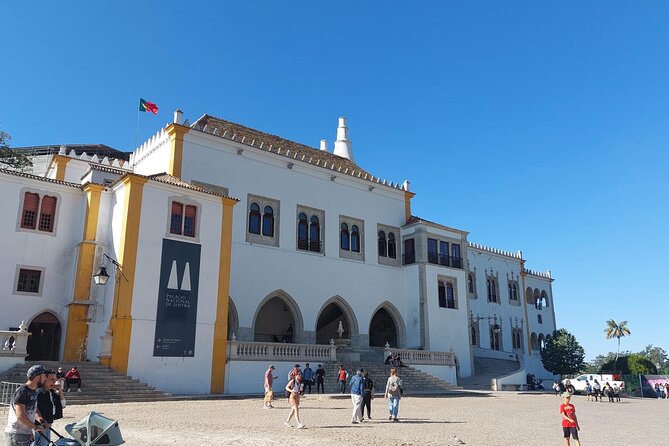
At Sintra National Palace, you visit the gardens and learn about the palace’s history. This is a smart approach, because gardens give you atmosphere without forcing everyone into the same timed entry constraints.
There’s also a weather-dependent twist: entrance to the palace itself happens only on days when weather conditions are adverse. Translation for you: if it’s a clear day, you may stay in the garden realm as the planned focus; if conditions make outdoor plans less pleasant, the tour can shift to include the palace entry.
Either way, this stop is about viewpoint energy and context. Gardens help you understand why Sintra became so magnetic to Portuguese elites and visitors over the centuries. You’re seeing the “why” behind the palace obsession—by walking the grounds rather than just viewing buildings from outside.





Cascata de Pisoes: A Quick Waterfall Photo Stop
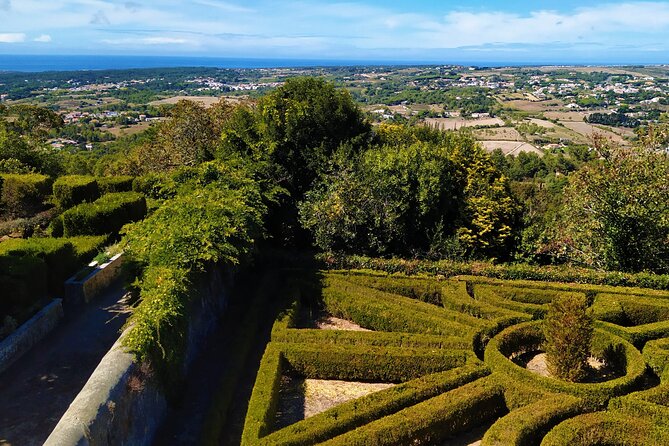
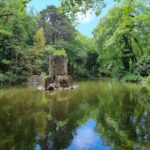
Cascata de Pisoes is short and very visual: you take pictures next to the waterfall, if there are waterfalls. That little if matters. Sintra’s water can be seasonal and weather-driven, so you shouldn’t expect a dramatic waterfall moment every single day.
But don’t dismiss it. Even when water is lighter, the area still gives you a scenic pause in the middle of a walk-heavy schedule. It’s the kind of stop where you can reset your pace, grab a photo, and let the guide’s stories breathe for a moment.
If you’re photographing, keep your phone charged and your lens clean. Water reflections can be tricky, and cobblestones near water sometimes mean you’ll be crouching or leaning. Keep it safe and don’t rush the angles.
Valverde Palácio de Seteais: Legend, Gardens, and Pena in View
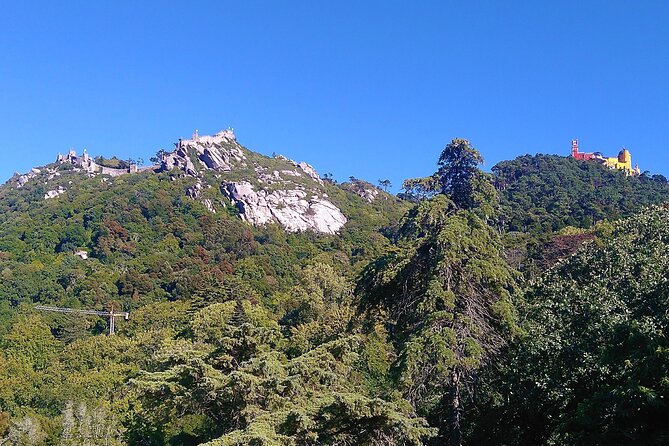
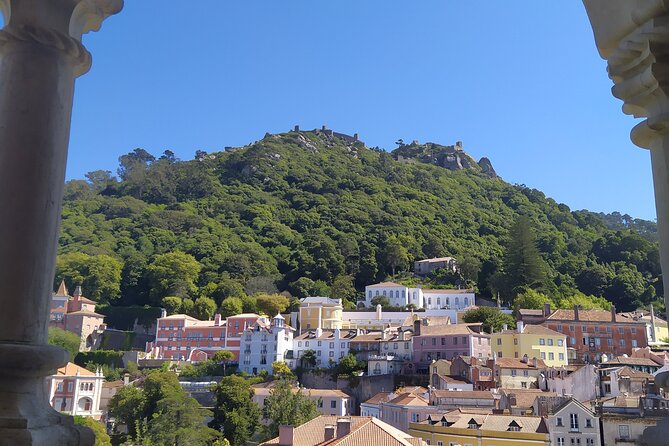
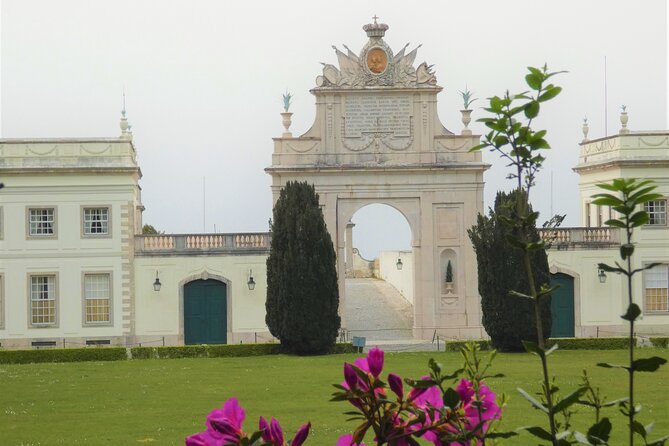
Then you reach Valverde Palácio de Seteais, one of the stops that makes Sintra feel like a movie set. You’ll hear the legend connected to the Seteais story, and then you get time to admire the gardens and the broader view—specifically the Pena Palace area and the Atlantic Ocean in the distance.
This stop is valuable because it delivers what many travelers want but don’t always get: a clear, guided moment of sight-reading. The guide helps you understand what you’re looking at so you don’t just point your camera and hope.
You’ll likely appreciate it most if you like viewpoints and gardens, not just grand interiors. And even if you already plan to visit Pena Palace later, this is still worth it because you’re seeing the relationship between the town’s landmarks and the wider geography.
Quinta da Regaleira: Optional Entrance and a Mysterious Finish
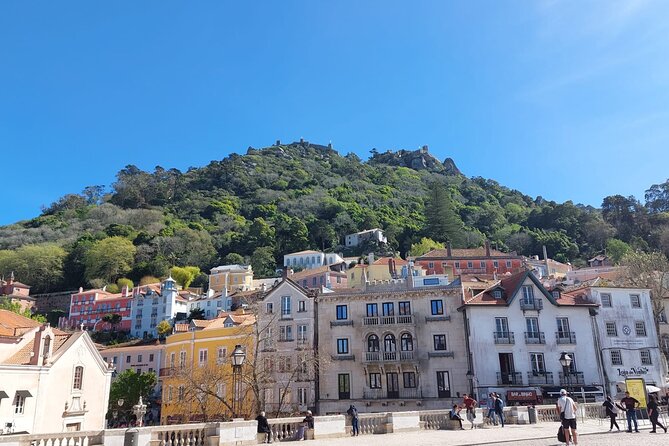
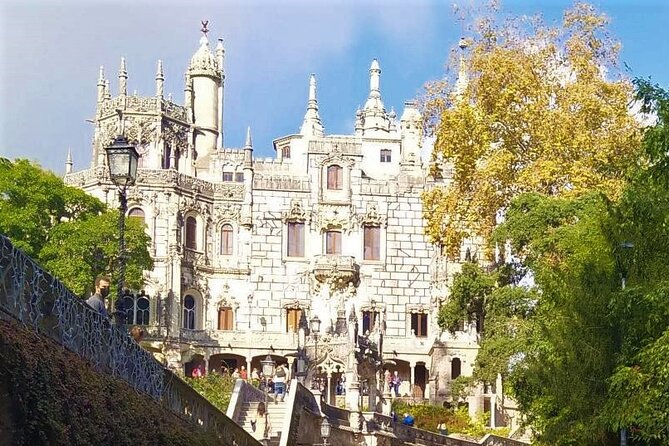
Quinta da Regaleira is one of Sintra’s most mysterious palaces, and you’ll spend about 10 minutes here. The entrance is optional, and if you choose it, you may do it optionally at the end of the tour without the guide.
That structure matters. If you’re the type who wants a quick orientation, you can stay with the guided portion and walk on. If you want to go deeper, you’ll pay the separate entrance fee (listed at €12.00 per person) and explore at your pace.
For planning: decide early which role you want in the Regaleira moment. Do you want a guided teaser and then freedom? Or do you want to keep the momentum and head straight into the deeper visit? Either way, the tour’s timing keeps you from feeling trapped in one location too long.
Igreja de Sao Martinho: A Church Rebuilt After 1755
Igreja de Sao Martinho is a short stop with a big historical anchor. You’ll learn about the church and how it was recovered after the earthquake of 1755.
This is one of those places where the guide’s explanation makes the building feel more real. A church recovered from a major earthquake isn’t just architecture. It’s a visible reminder that disasters can reshape communities and leave long echoes in stone and design.
Why it’s worth your attention even with limited time: you get a grounded reminder that Sintra’s charm isn’t only made of legends and gardens. It’s also made of real events and real reconstruction.
Centro Historico de Sintra: Old Hotel Feel and a 19th-Century Tea House
At Centro Historico de Sintra, you visit an area tied to one of the oldest hotels in town. You’ll also stop at a tea house that still retains the original characteristics of the 19th century.
This is the kind of stop that works well for travelers who like atmosphere. Even if you don’t buy anything, you get a sense of how old-town hospitality still shows itself in the room design and the feel of the space.
Practical note: this is not built as a quick grab-and-go lunch solution. If you’re hoping for a takeaway-style meal, you may find options limited in this part of town during your walk. I’d treat this tour as a morning routing plan, not your whole food plan. Bring a snack with you or plan lunch right after the tour in a place that clearly offers quick service.
Fonte da Pipa: Tilework That Makes You Look Twice
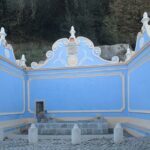
The tour ends with a beautiful quick hitter: Fonte da Pipa, a fountain decorated with tiles. This stop is all about small details. Tilework in Portugal can be incredibly expressive, and fountains are a perfect place to notice how local artisans used color and pattern to turn everyday water into something artistic.
You’ll have about 10 minutes here, which is enough time to appreciate the design without turning it into a long detour. It’s also an easy stop for photos without needing a ticket or big museum time.
If you’re someone who tends to rush through small streets, this is the reminder the day needed. The best souvenirs are sometimes visual, not physical.
Price and Value: Why $18.14 Can Make Sense
At $18.14 per person for about 2 hours, the value is less about visiting five-star interiors and more about what you learn as you walk. You’re paying for a local guide, small-group attention (max 8), and a focused route through places you’d otherwise skim over.
Also, this price point makes it easier to stack with other plans. You can think of it like a primer for your Sintra day. When you do bigger palace visits later, you’ll recognize names, themes, and connections faster.
The tour is offered in English and uses a mobile ticket, which keeps things streamlined. And because you’re booking it an average of about 53 days in advance, it’s not exactly a last-minute gamble if your dates are fixed. Popular means seats fill; it also means this routing tends to work well.
Who This Tour Is Best For (and Who Should Skip)
This foot tour is ideal if you want to see Sintra’s historic center with context, not just pictures. It’s also a good match for couples and solo travelers who like asking questions without feeling like they’re shouting in a huge crowd.
You’ll probably enjoy it even more if you like:
- legends and local storytelling
- architecture exteriors plus garden viewpoints
- short, efficient stops that don’t eat your whole day
Skip it if your main goal is long inside-time at specific palaces or if you’re counting on a waterfall every single day. The pacing is designed to cover more terrain, not to linger for hours.
Should You Book This Historic Center Walk?
I’d book it if you want Sintra to feel understandable in a small window. The route covers recognizable highlights—town hall, palace gardens, major viewpoints, an earthquake-recovery church, a tiled fountain—while still leaving room to breathe in between.
Book it especially if you prefer an intimate group with an English-speaking guide who can turn stone, tiles, and street corners into stories. If you’re planning extra palace time after, this becomes your fast foundation.
The main reason not to book: if you’re expecting a slow-moving, deep, inside-heavy day. This is more about the historic center’s rhythm and meaning, with optional add-ons like Regaleira for those who want more.
FAQ
How long is the historic center of Sintra walking tour?
It lasts about 2 hours.
Where does the tour start and where does it end?
It starts at Av. Dr. Miguel Bombarda 5, 2710-579 Sintra and ends at Quinta da Regaleira, 2710-567 Sintra.
What time does the tour begin?
The start time is 11:00 am.
Is the tour in English?
Yes, it is offered in English.
Do I need to pay for palace or site entrances during the tour?
The tour focuses on gardens for Sintra National Palace, and the palace entrance is only on days when weather conditions are adverse. Quinta da Regaleira entrance is optional with a listed fee of €12.00 per person.
Is lunch included?
No. Lunch is not included.
How big is the group?
The tour has a maximum of 8 travelers.
What’s the cancellation policy?
You can cancel for a full refund if you do it up to 24 hours before the experience’s start time.