REVIEW · SINTRA
Sintra: Monserrate Palace & Park Ticket
Book on GetYourGuide →Operated by Distributor: GetYourGuide Tours & Tickets GmbH · Bookable on GetYourGuide
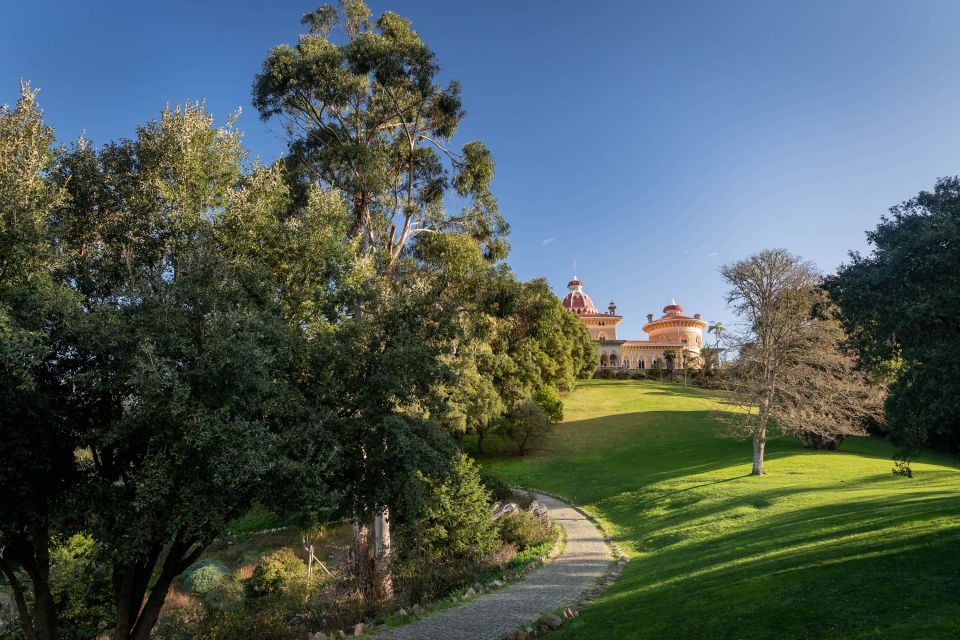
Sintra has a quieter palace to love. Monserrate Palace sits in a 30-hectare park about 4 kilometers from the historic center, and it is one of those places where architecture and gardens feel like one long, scenic idea. The palace is known for its Moorish-Gothic-Indian style and for the way the grounds bring in plant species from far away.
What I like most is the combination of fast track entry and the garden-first wandering. You get into the palace quicker than waiting around, and once you start walking, the park keeps surprising you: tree ferns from Australia and New Zealand, agaves and yuccas from Mexico, a bamboo-fringed Japanese garden with camellias, plus Himalayan rhododendron. You can easily spend serious time moving between shaded spots, viewpoints, and little pockets of calm.
The main thing to consider is practical: getting up and back out. The approach to the palace involves walking on paths with some downhill and then a return uphill, and transport from Sintra can take longer than you expect depending on your method.
In This Review
- Quick take: Monserrate Palace fast track essentials
- Why Monserrate Palace feels different from the usual Sintra plan
- Your $14 ticket: fast track entry plus Zoomguide audio
- The palace exterior and interior: Moorish-Gothic-Indian craft in full view
- A word on signage and navigation
- The gardens: where the plant “world tour” starts
- Seating and shade can change your whole day
- Routes, walking difficulty, and what shoes should handle
- My practical walking tip
- Getting there from Lisbon: train helps, last-mile can be tricky
- GPS caution
- Timing your visit: when to arrive for the best pace
- Cafe break: a practical reset during your garden walk
- Who Monserrate Palace and Park is best for
- Who might want to adjust expectations
- Should you book the Monserrate Palace & Park fast track ticket?
- FAQ
- How far is Monserrate Palace from Lisbon?
- Can I reach Monserrate from Lisbon by train?
- What does the ticket include?
- Is the audio guide available in multiple languages?
- How long should I plan to visit?
- Do I need transportation as part of this ticket?
- Is this ticket refundable?
Quick take: Monserrate Palace fast track essentials
- Fast track access saves you time at one of Sintra’s more time-sensitive sites
- Zoomguide audio is included, with Portuguese, English, Spanish, and French options
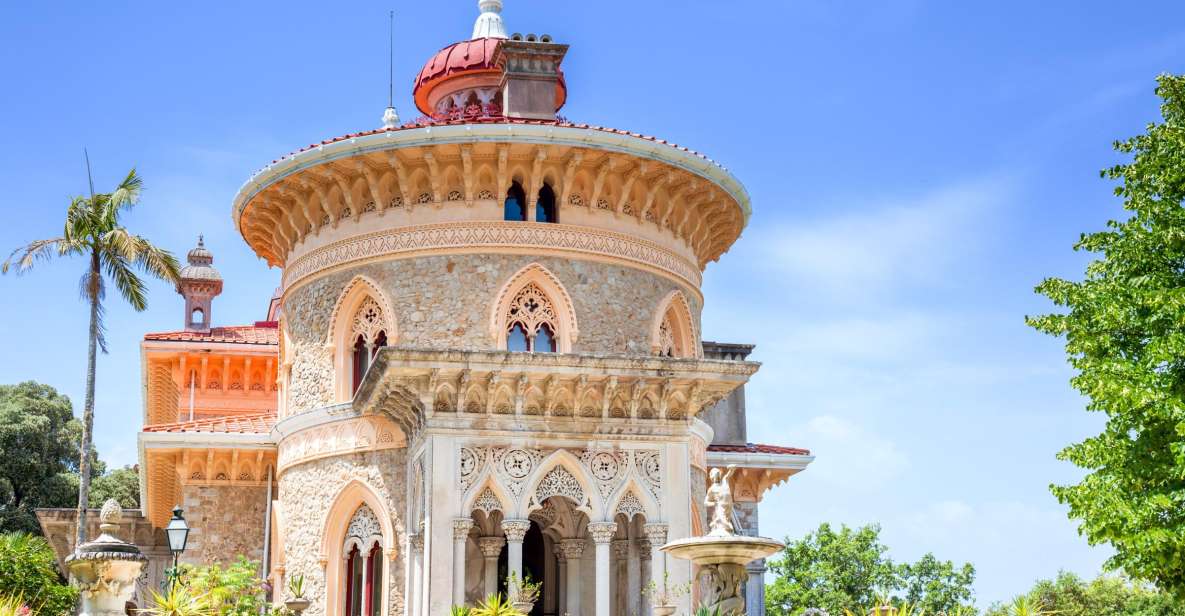
- Moorish-Gothic-Indian design makes the palace exterior and interior a standout
- 30-hectare gardens include plant surprises from multiple continents
- Less crowd pressure than the biggest Sintra headlines, with lots of space to stroll
- Walk planning matters: some routes are steeper and signage can be hit-or-miss
Why Monserrate Palace feels different from the usual Sintra plan
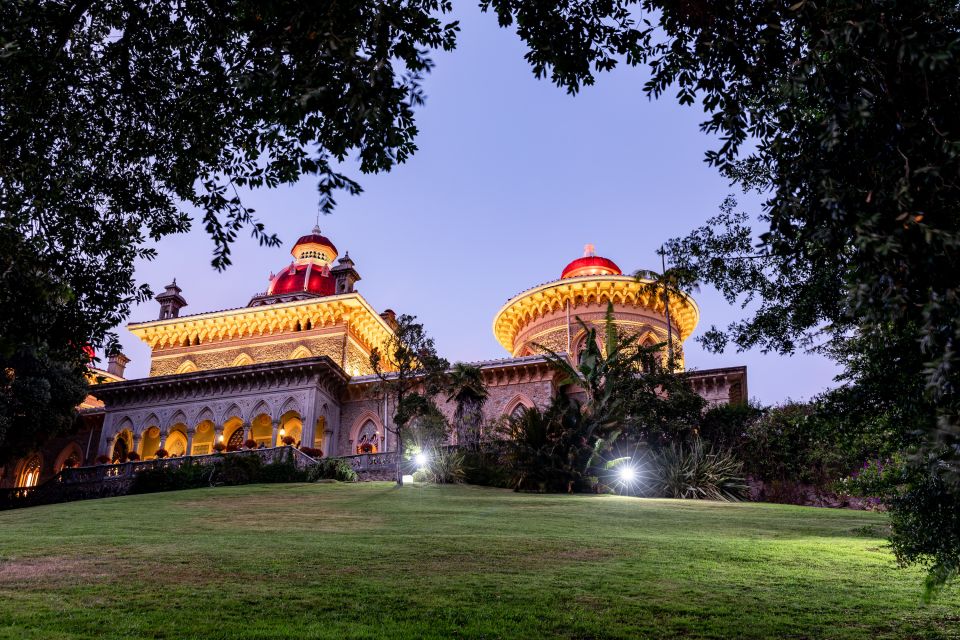
If your Sintra day is already loaded with the best-known palaces, Monserrate is a smart pivot. It delivers strong wow-factor, but with a calmer rhythm. The palace itself is striking, and the park turns your visit into a proper walk through changing scenes rather than a quick in-and-out stop.
I especially like the idea that Monserrate rewards slow movement. The grounds are designed so you keep turning a corner and getting a new view—ruins, lakes, waterfalls, and curated sections where plants look like they belong in other parts of the world. You’re not just looking at one pretty building. You’re moving through a full setting that UNESCO recognizes as part of the World Heritage Cultural Landscape of Sintra.
And because this is a park-centered experience, you don’t need to rush to “get the main attraction” before the crowds. Many visitors find it noticeably quieter than the most famous palaces, which makes it easier to linger.
You can also read our reviews of more tours and experiences in Sintra



Your $14 ticket: fast track entry plus Zoomguide audio
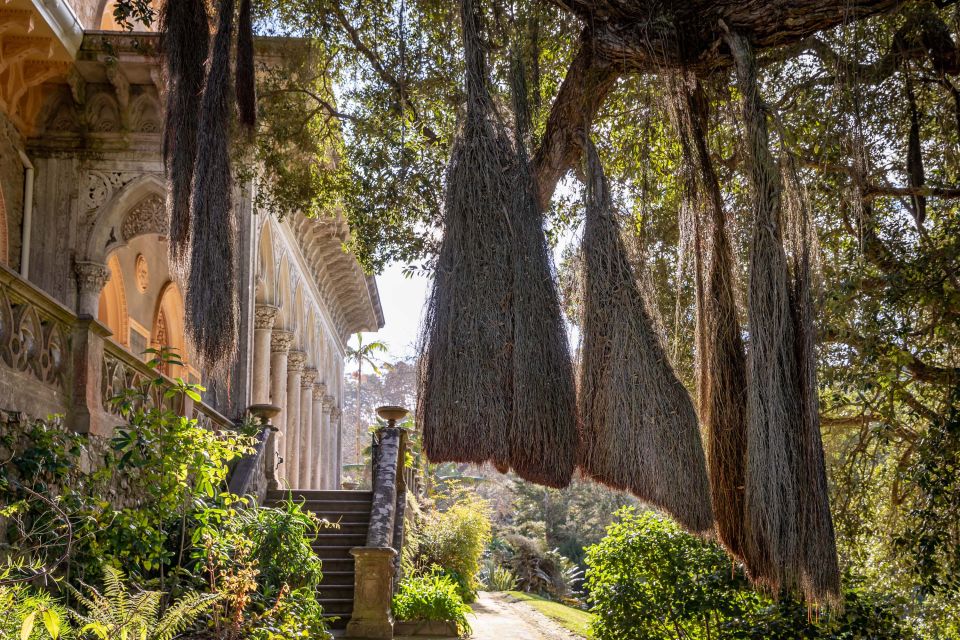
This is a straightforward deal: a Monserrate Palace fast track ticket plus park access, for about $14 per person. The ticket also includes a free audio guide through the Zoomguide app, available in Portuguese, English, Spanish, and French.
That audio piece matters more than you might think. In a palace like this, details can be easy to miss if you’re only skimming. The audio helps you connect what you’re seeing—architectural features, design influences, and the restoration story that brings the site to life today. If you’re the type who likes to understand what you’re photographing, audio is a big value add here.
One more practical note: the ticket is valid for 1 day, but you should check availability and starting times. Also check opening hours and the last admission time. Monserrate is the kind of place where arriving too late can cut your garden time short.
Transportation to the palace is not included, so you’ll be planning that yourself (more on that below).
The palace exterior and interior: Moorish-Gothic-Indian craft in full view
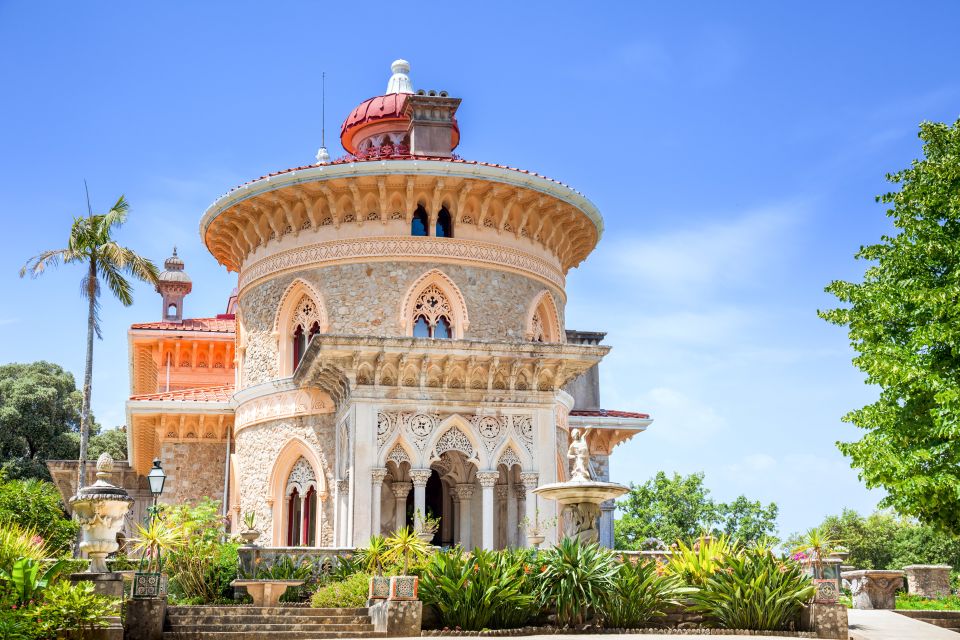
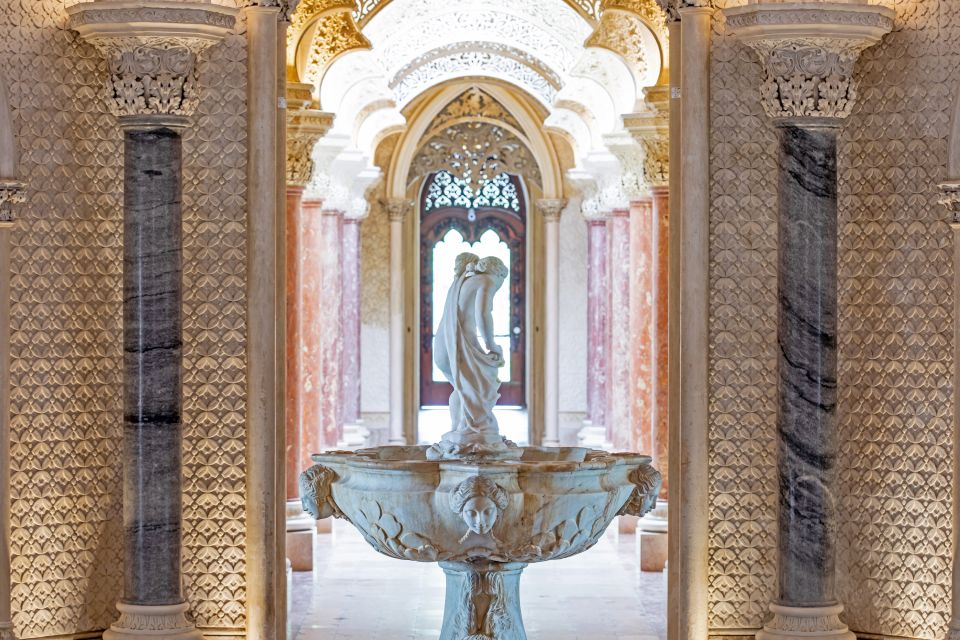
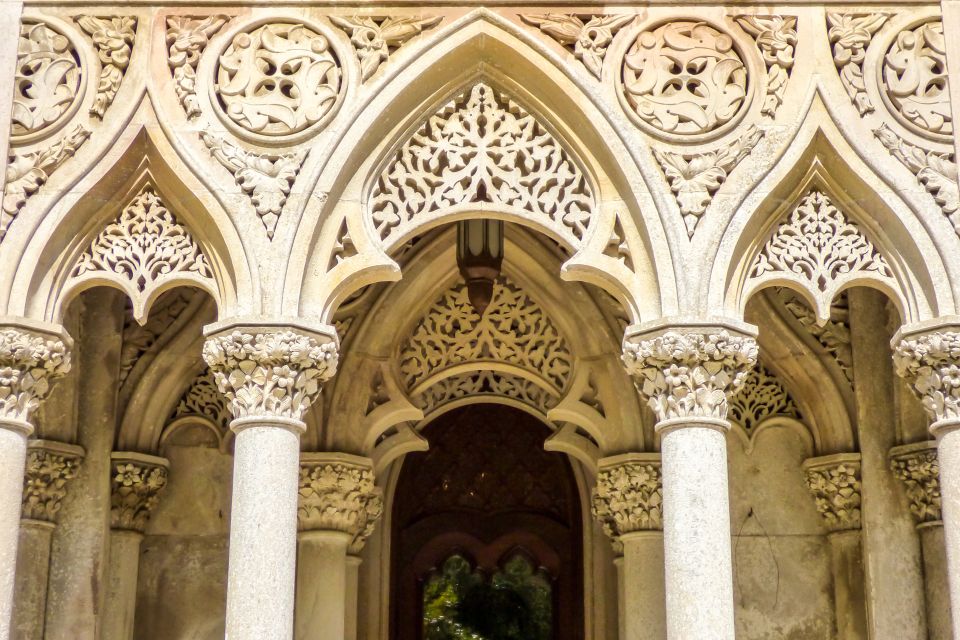
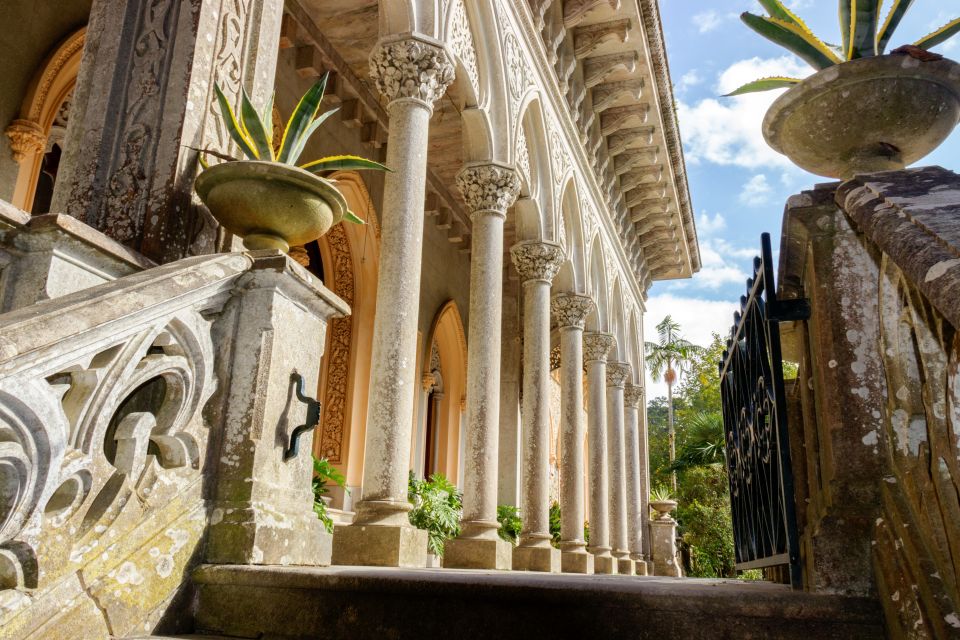
Monserrate’s style is its calling card. The palace is famous for an exotic mix of influences, commonly described as Moorish-Gothic-Indian. In plain terms, it feels ornate and playful at the same time—architectural elements that look decorative from far away and reveal more craft when you’re closer.
Outside, you’ll notice how the building doesn’t look like a standard European palace. It reads as something more imaginative, almost like an architectural collage. Inside, that same approach to detail continues. There are ceilings and sculpted areas that can steal your attention, even if you didn’t come specifically for interiors.
The palace also tends to be more manageable in size than some of the bigger Sintra palaces. That can work well for families and for anyone who wants a high-quality stop without feeling like you’re trapped in long corridors.
If you’re using audio, this is where it pays off most. The app helps you slow down just enough to notice the reasons behind the design choices rather than only the look.
A word on signage and navigation
I’d treat navigation as part of your experience here. Some people find trail signage not super clear, especially when they’re trying to get from one section to another or to exit in the most direct way. The fix is simple: if something feels confusing, ask at the entrance or seek directions early, before you lose momentum.
The gardens: where the plant “world tour” starts
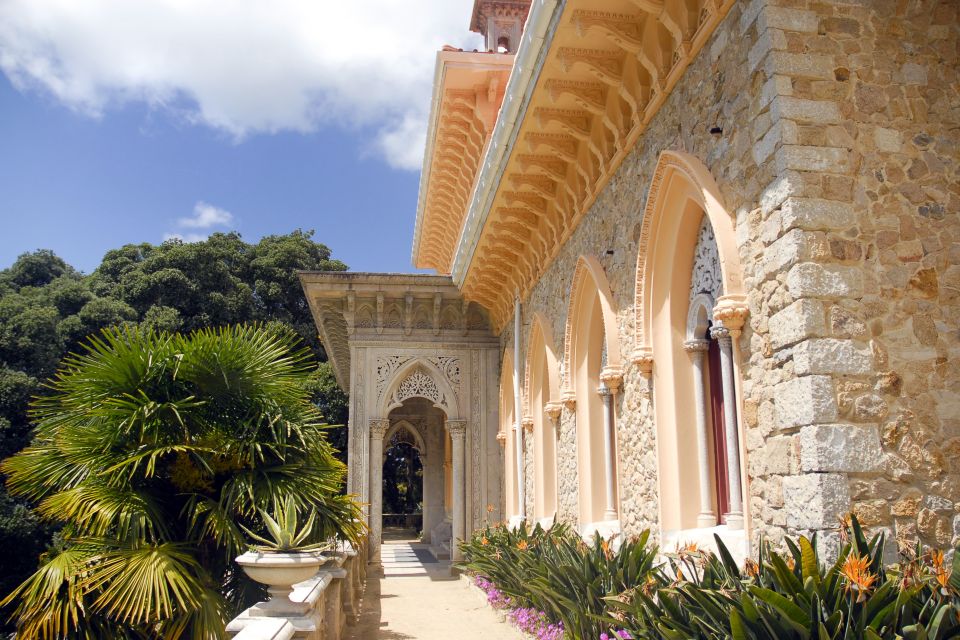
If you only had time for one part, choose the gardens. Monserrate’s park is the main event for a lot of visitors, and it’s not just because it’s pretty. It’s because the experience changes as you walk.
Here’s what makes the grounds feel special:
- Exotic plant sections: You can see tree ferns associated with Australia and New Zealand, and dry-land plants like agaves and yuccas that bring a very different look compared to lush areas.
- Himalayan rhododendron: This is one of those standout plants that makes the park feel like it’s borrowing climates.
- Japanese garden touches: Look for the area described as a bamboo-fringed Japanese garden, with camellias in bloom.
- Varied scenery as you move: You’re walking through contrasting views instead of repeating the same type of path.
You’ll also come across ruins, lakes, and waterfalls. Even when you’re not “studying” the garden, these features break up your walk so the time passes faster than you expect.
Most people end up wanting more time than the minimum. In practice, plan on at least an hour or more just for the gardens, especially if you like shade breaks and photo pauses.



Seating and shade can change your whole day
Summer heat is real in Sintra. The gardens have areas with lots of shadow and smaller resting spots. That’s helpful if you’re traveling with older kids, grandparents, or anyone who wants to stop without losing the best parts of the walk. Bring water and use the shade strategically, especially if you’re visiting mid-day.
Routes, walking difficulty, and what shoes should handle
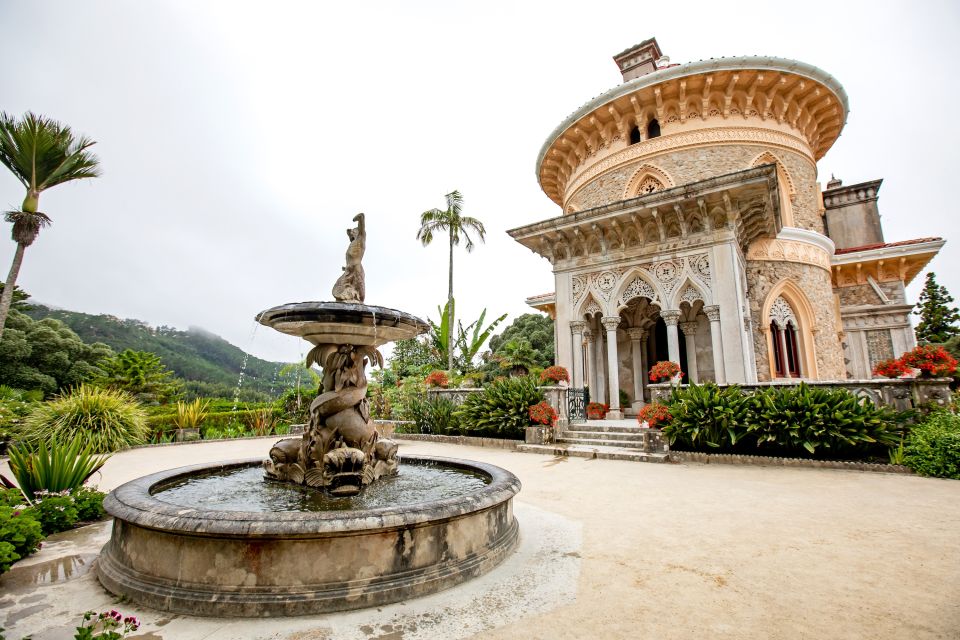
Monserrate is not a “flat stroll” experience. The walk from the entrance/parking area to the palace involves paths that can include steep sections. Several visitors mention needing good shoes, because you’ll be walking uphill on the way out.
There are also (at least) two different paths mentioned to reach the palace area. One is wider and easier, and one is more difficult. If you’re pushing a stroller or want to minimize steepness, you should choose carefully.
If you’re hoping to skip sections—some people want to visit the palace with less garden time—just know that the park layout can still mean a steep climb on return. Plan your expectations around walking, and you’ll enjoy it more.
My practical walking tip
Start early if you can, and don’t try to “beat the clock” by rushing. Gardens are where the joy is. If you rush, you’ll miss the plants, the shaded seating, and the little architectural views that show up as you move.
Getting there from Lisbon: train helps, last-mile can be tricky
The palace is about 30 kilometers from Lisbon. The most reliable base approach is the train to Sintra. From Sintra, you’ll still need a last-mile ride or bus option to reach Monserrate.
Here’s the reality: local transport can be a bit unpredictable in timing. Some people plan an Uber from Sintra and run into narrow streets or longer-than-expected travel time. Others use local bus service, but the last pickup time can limit your palace-and-gardens window.
So I’d do this:
- Build a buffer into your schedule from Sintra to the palace.
- If you’re relying on a return bus, check the latest pickup time ahead of your visit.
- If you’re using rideshare, accept that the drive can be stressful because streets can be narrow.
Parking is a bright spot if you drive: there’s free parking and room to park, and one bus stop is right outside. That’s unusual for Sintra and makes the site more flexible.
GPS caution
Some maps can steer you toward the wrong gates or entrances, and in one case the route described ended up being impassable. If Google directions look suspicious, don’t assume they’re correct. Recheck the route, and if you can, ask for directions when you arrive.
Timing your visit: when to arrive for the best pace
Monserrate works best when you give yourself a real morning or a long late afternoon. Even if the palace itself is quicker to tour, the gardens take time. People often wander for over an hour, and if you like plants and scenery, you might end up losing track of time in the best way.
If you go earlier in the day, you tend to get that feeling of space and quiet. It’s easier to look closely at carvings and architectural details. It’s also easier to enjoy the garden without feeling rushed when the light changes.
Also remember: check opening hours and last admission. If you arrive after the cutoff window, you lose access to the parts that make Monserrate worth paying for.
Cafe break: a practical reset during your garden walk
There’s a cafe on-site, with bakery-style offerings and snacks. Visitors describe it as a good place to rest after the garden trails, including tea and savory options at a reasonable price.
This matters because Monserrate can turn into a full walk: you spend energy going down, then back up, then walking again between garden sections. A cafe stop is an easy way to reset without leaving the grounds.
If you’re the kind of person who always brings snacks, that’s still fine. But having food options on-site can save your day if you underestimated how long the gardens would hold your attention.
Who Monserrate Palace and Park is best for
Monserrate is ideal if you fit one or more of these:
- You like architecture that’s unusual, not just famous
- You want a Sintra experience that’s more about the park than crowds
- You enjoy gardens, plants, and changing scenery
- Your group includes people who want breaks and shade-friendly walking
It’s also a great option if you’ve already hit the big headline palaces. Monserrate gives you something different while staying in the same Sintra “ecosystem.”
Who might want to adjust expectations
If you hate walking uphill or you want a very short visit with minimal stairs and paths, this park may feel challenging. The palace is worth it, but the return walk is part of the deal.
Also, if you’re relying only on signage without checking your route, you might need to ask for help once or twice. That’s normal here—just don’t plan a lightning-fast itinerary.
Should you book the Monserrate Palace & Park fast track ticket?
Yes, I’d book it if you want value and time savings. Paying around $14 for fast track entry plus park access and a free multi-language audio guide is a strong setup. The garden experience alone can justify the visit, and skipping the line helps you protect the hours you’ll want to spend wandering.
I’d skip or reconsider if:
- You’re planning a very tight schedule and can’t absorb a slow garden pace
- You have mobility limits that make uphill return difficult
- You’re not willing to plan transport timing from Sintra (bus return times and ride conditions can affect your schedule)
If you want an authentic-feeling Sintra day that mixes architectural wonder with a real walking park, Monserrate is one of the best choices on the list.
FAQ
How far is Monserrate Palace from Lisbon?
It’s about 30 kilometers from Lisbon, in Sintra.
Can I reach Monserrate from Lisbon by train?
Yes. You can take the train from Lisbon to Sintra, and then handle the last mile to the palace separately.
What does the ticket include?
It includes Monserrate Palace fast track entry and park access, plus a free audio guide via the Zoomguide app.
Is the audio guide available in multiple languages?
Yes. The Zoomguide audio guide is available in Portuguese, English, Spanish, and French.
How long should I plan to visit?
The activity is listed as 1 day, and the gardens are the part that often takes the most time. You should plan for at least an hour to explore the grounds.
Do I need transportation as part of this ticket?
No. Transportation to the palace is not included.
Is this ticket refundable?
No. This activity is non-refundable.