REVIEW · SINTRA
Rock Climbing in Sintra, Lisbon
Book on Viator →Operated by Life Outside · Bookable on Viator
Granite climbing in Sintra feels both wild and calm at the same time, and it’s a great way to spend time outdoors without needing a full-day commitment. I like that you start with a quick trek through Sintra’s green scenery, then get clear instruction before you touch the rock. I also like the small-group coaching—the team uses a tight 1 guide per 3 participants ratio when the group grows, with a max of 10 people.
One thing to plan around: climbing depends on dry rock and good weather, so your date might shift if conditions aren’t right.
In This Review
- Key highlights before you go
- Rock Climbing in Sintra: what the experience really feels like
- Getting ready: location, timing, and what to bring in your head
- The first stretch: the short trek that sets the tone
- Gear and safety: what’s included and why it’s a big deal
- Instruction on the rock: basic technique, then real progression
- Breaks with views: why the pacing matters
- Weather rules: how it affects your day
- Group size and attention: the coaching you’re paying for
- English instruction: good for beginners and returning climbers
- The value question: is it worth $94.63 for 4 hours?
- Who this is best for (and who should rethink it)
- A smart planning checklist before you book
- Should you book rock climbing in Sintra?
- FAQ
- Where does the climbing meet in Sintra?
- What time does the experience start?
- How long is the rock climbing session?
- How much does it cost?
- Is the experience offered in English?
- What’s included in the price?
- What should I bring, since drinks and snacks aren’t included?
- What happens if the weather is bad?
- How big are the groups?
Key highlights before you go
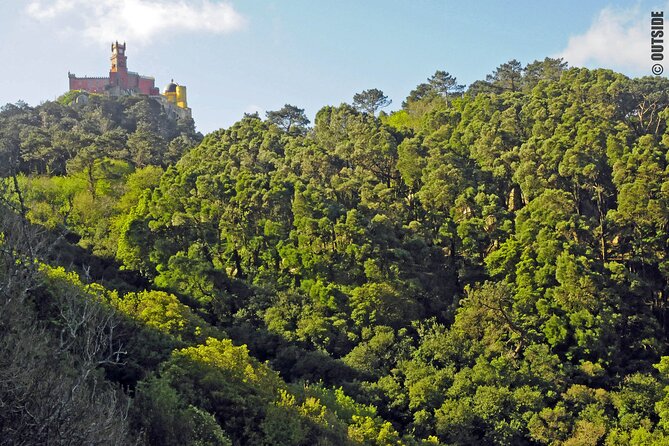
- Short trek, quick warm-up before you gear up and climb granite
- Routes for every level, from beginners to experienced climbers (including multi-pitch options)
- Safety-first instruction with full gear supplied (rope, harness, helmet, shoes, chalk)
- Relaxing breaks with green-and-blue views around Sintra
- Tight guide ratio and small max group size for real attention
- Weekends can be crowded, so a weekday booking often feels smoother
Rock Climbing in Sintra: what the experience really feels like
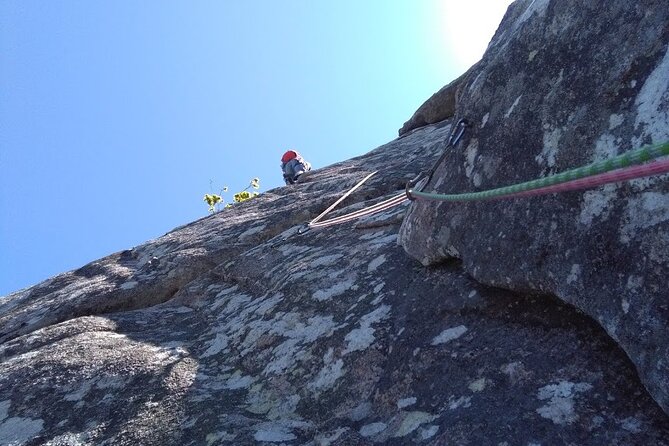
This is the kind of activity that turns sightseeing energy into something physical and focused. You meet in Sintra at Praça da República 21, start at 9:00 am, and then you’re moving pretty quickly. The rhythm matters here: you get a short trek to get your body warm and your mindset set, then you transition into climbing with basic technique guidance before you ever worry about finding your next hold.
Sintra’s setting does a lot of work for you. During breaks, the views over the surrounding hills help reset your breathing. That matters because the best climbing days are equal parts effort and recovery—especially if you’re new or just don’t climb often.
The other big “feel” factor is the coaching style. The guides (including Mario and Jose in different groups) aren’t just handing you gear and pointing upward. The vibe from past participants is that you’ll get practical tips, patience, and support as you progress, including challenge when you’re ready. If you want a casual, no-pressure outing while still learning real climbing basics, this format is designed for that.
You can also read our reviews of more tours and experiences in Sintra.


Getting ready: location, timing, and what to bring in your head
The schedule is simple: about 4 hours from meeting to back at the start point. That short duration is a plus in Sintra, because you can still fit in other sights the same day without turning your vacation into a logistics puzzle.
Your meeting spot is Praça da República 21, 2710-616 Sintra. Since there’s no hotel pickup included, plan to arrive on your own. The activity is also offered in English, so you can expect instruction without language stress.
What you should bring is mostly practical, not fancy:
- Moderate physical fitness is required. You don’t need to be a gym climber, but you should be comfortable with short walks, getting up and down near the routes, and staying active for a few hours.
- Comfortable shoes for the approach and changing into climbing shoes on site (climbing shoes are supplied, but you’ll still be walking before that).
- Basic weather awareness. You don’t control wind, cloud, or rain, but you can control whether you show up in a way that won’t make you miserable while waiting if conditions are marginal.
The first stretch: the short trek that sets the tone
You don’t go straight to the wall. You start with a short trek surrounded by Sintra’s green. That might sound like a “warm-up paragraph,” but it changes the whole experience.
Here’s why it matters:
- You’ll get moving before you’re asked to focus on technique.
- You’ll see the climbing area approach, so you know how the ground works and what you’ll be doing next.
- It lowers the stress level. Climbing is mentally sharp as much as it is physical, and the trek gives you a runway.
It also gives you a chance to settle in for group dynamics. Small-group climbing runs better when everyone arrives in sync, not rushed. The guides handle the equipment and instruction flow, but your calm helps.
Gear and safety: what’s included and why it’s a big deal
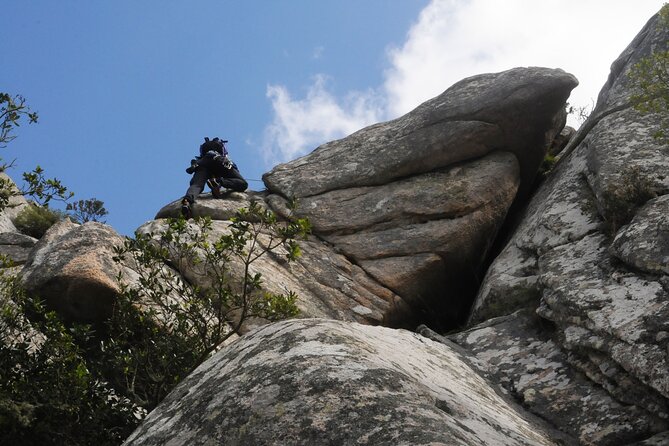
You’re not renting a pile of gear and figuring it out yourself. The price includes all the climbing equipment: rope, harness, helmet, climbing shoes, chalk, and the hardware needed for safe climbing. You also get insurance and an instructor.
That “everything provided” detail is real value. Climbing trips can get expensive fast once you add gear rental, insurance, or guide time. Here, you pay once and focus on climbing.
The safety approach is also tied to a key condition: the rock needs to be dry. Granite can hold routes differently when wet, and the whole point of the operation is to avoid the risk that comes with slippery holds and unpredictable traction. If conditions aren’t good, expect a date change rather than a forced climb.
Instruction on the rock: basic technique, then real progression
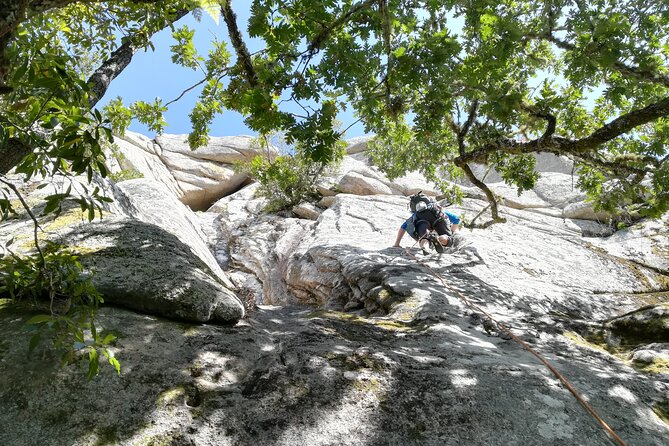
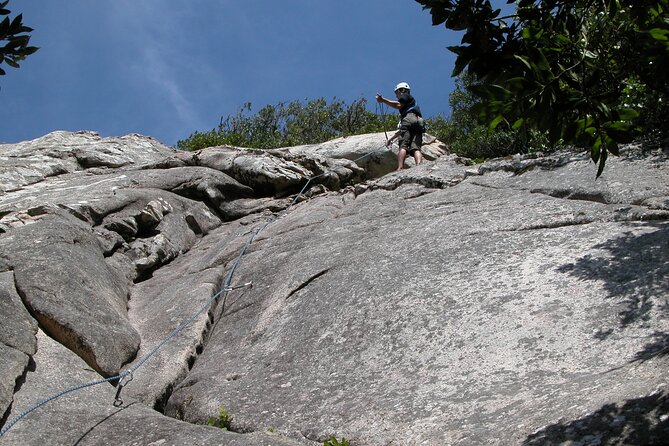
Once you reach the routes, you get basic climbing instructions, gear up, and start climbing granite. The coaching is designed to match different needs, which is why the experience can work for both casual first-timers and people who already climb regularly.
The best part of this structure is how it blends learning with movement:
- You’ll get the basics before you commit to the route.
- You’re not stuck in theory mode.
- You climb while the guide watches your form and can correct small things fast.
Past participants highlighted how guides were patient and encouraging, with tips that helped people feel safe. One climber described Jose as making climbing accessible and comfortable, including helping them lead around a 5.9 and attempt a 5.10b top rope. You don’t need those exact numbers to benefit. The takeaway is that the guide responds to your level and pushes at the right speed, instead of just repeating the same instructions for everyone.
For experienced climbers, there are multi-pitch routes. Multi-pitch changes the day: longer sequences, more rope management, and a bigger mental picture of how the route connects. If that’s your thing, you’ll get the chance to step into something more substantial than a quick wall session.



Breaks with views: why the pacing matters
Climbing is intense in short bursts, then it becomes a waiting game while you reset. This experience builds in breaks where you can look out over green-and-blue views, which helps you recover rather than just “endure.”
That pacing is especially helpful if you’re:
- Trying climbing for the first time
- Learning lead or top-rope fundamentals
- Getting used to exposure and staying focused
A good climbing guide doesn’t just watch your hands. They manage energy. When breaks are scenic instead of stressful, you’re more likely to take in instruction and keep improving.
Weather rules: how it affects your day
This is not a “climb in any weather” experience. It requires good weather and dry rock for safety and conditions. If weather is bad, the experience may be forced to change dates.
If your group doesn’t have availability on the suggested alternative date, the operator cancels and provides a 100% refund. That’s a big deal because climbing plans often fall apart when people are already in motion. Here, you’re protected if the weather won’t cooperate.
On weekends, the climbing area can be crowded. If you want a calmer feel, try for a weekday booking when you can.
Group size and attention: the coaching you’re paying for
This is a small operation by design. There’s a maximum of 10 travelers, and when the group size increases beyond 3 people, they provide extra guides to keep the ratio at 1 guide per 3 participants.
That ratio isn’t just a feel-good number. It directly affects how often you get help, how quickly the guide can correct form, and whether everyone gets time on the rock. In climbing, small delays compound. You want a setup where you’re not waiting around too long or repeating questions over and over.
Also, because the groups are kept small, you’re less likely to feel like you’re competing for instruction time.
English instruction: good for beginners and returning climbers
Instruction is offered in English. That matters if you’re new, because terminology can make climbing feel harder than it is. The guides can explain the basics clearly, then adjust coaching as you go.
One participant’s story made the coaching vibe feel very supportive: learning to lead while still feeling safe, and having the guide share knowledge of Portugal’s history and culture along the way, plus restaurant recommendations afterward. Even if you don’t care about leads or grades, that kind of conversation makes the wait times and transitions feel less like downtime.
The value question: is it worth $94.63 for 4 hours?
At $94.63 per person for about 4 hours, the price looks fair when you compare it to what’s included.
You get:
- Full climbing equipment (so you’re not paying extra rentals)
- An instructor
- Insurance coverage
- A guided experience that matches multiple skill levels
In practical terms, you’re paying for time, safety, equipment, and the guide’s ability to place you on the right kind of routes. If you were to piece that together yourself, you’d likely spend more and still face uncertainty about where to climb and whether the conditions are right.
The only “cost” you’re taking on is the weather dependency. But since you get refunds and date changes when conditions don’t work, that risk is managed.
Who this is best for (and who should rethink it)
This climbing experience works well if you:
- Want to learn or refresh climbing basics without pressure
- Prefer outdoor time that still feels structured
- Like small-group attention and clear safety guidance
- Plan to be in Sintra for at least a day and want one active highlight
It’s also a great fit if you already climb and want something more than a quick bouldering session—especially if you’re curious about multi-pitch routes.
You might rethink it if:
- You’re not comfortable with moderate physical activity
- You’re booking for a weekend only and you hate crowds
- You need a perfectly fixed schedule regardless of weather (because dry rock is part of the deal)
A smart planning checklist before you book
If you want the best odds of a smooth day:
- Choose a weekday if possible to avoid crowding.
- Arrive at Praça da República 21 on time since there’s no pickup.
- Dress for Portugal weather changes. Even on calm days, conditions can shift.
- Be ready to climb when called—dry rock is the key gate, and the guide team won’t want you in limbo too long once the day starts.
If you’re coming from central Lisbon, treat Sintra as your active zone for the day. Once you’re on the rock, you’ll get the satisfaction of doing something real, not just photographing it.
Should you book rock climbing in Sintra?
Book it if you want a high-value outdoor activity with full gear included, an instructor who keeps you safe, and routes tailored to your level. The mix of short trekking warm-up, structured instruction, and the chance to climb granite (plus multi-pitch options for advanced climbers) makes it a strong Sintra plan.
Skip it or be cautious if your schedule can’t flex for weather. Climbing here depends on dry rock. If you’re okay with that reality—and you want an experience that feels both fun and well supervised—this is the kind of activity that turns a vacation day into a real memory.
FAQ
Where does the climbing meet in Sintra?
The meeting point is Praça da República 21, 2710-616 Sintra, Portugal.
What time does the experience start?
The start time is 9:00 am.
How long is the rock climbing session?
It lasts about 4 hours (approx.), and the activity ends back at the meeting point.
How much does it cost?
The price is $94.63 per person.
Is the experience offered in English?
Yes, it is offered in English.
What’s included in the price?
All climbing equipment is included (rope, hardware, helmet, harness, shoes, chalk, etc.), along with insurance and a rock climbing instructor.
What should I bring, since drinks and snacks aren’t included?
Drinks and snacks are not included, so plan to bring what you need for your own comfort during the breaks.
What happens if the weather is bad?
The experience requires good weather and dry rock. If it’s canceled due to poor weather, you’ll be offered a different date or a full refund.
How big are the groups?
The maximum group size is 10 travelers, and the guide ratio is 1 guide per 3 participants (with extra guides if the group is bigger than 3).