
REVIEW · BELEM LISBON
Lisbon: 7 Hills and Belém Tour
Book on GetYourGuide →Operated by Lisbon Roots · Bookable on GetYourGuide
Lisbon flips between steep streets and jaw-dropping viewpoints, so this route feels like a shortcut to the city’s big moments. I like how it connects the Seven Hills panorama game with the Belém waterfront highlights in just four hours. You get structure, not guesswork, with a private car moving you between stops while the guide explains what you’re actually seeing.
I also like that the tour isn’t just photos. You’ll hit Jerónimos Church and the Tower of Belém’s Manueline details, then end with the classic Pastéis de Belém taste in their original home base. One possible drawback: the tour price is not small, so you’ll want to confirm your inclusions (especially church entry handling and what kind of water you’ll receive in the car) before you go.
In This Review
- Quick hits you’ll care about
- Why the Seven Hills and Belém Route Works in Four Hours
- The pickup + private car rhythm (and what that means for your day)
- Lisbon’s 7 hills: the viewpoint strategy you can feel
- Belém by the Tagus: Padrão dos Descobrimentos
- Jerónimos Church (Santa Maria de Belém): what to notice on the inside
- The Tower of Belém: Manueline details and why UNESCO matters
- Pastéis de Belém: the sweet finale that makes the day memorable
- Price and value: is $141 a good deal for what you’re getting?
- Guide quality: languages, names you may see, and how to get the best out of it
- What to bring (and what to skip)
- Who should book this tour (and who might be disappointed)
- Should you book this 7 Hills and Belém Tour?
Quick hits you’ll care about
- Car-to-viewpoint pace: Private transport keeps the “up and down” manageable in a short day.
- Belém’s UNESCO trio: Jerónimos Church, the Tower of Belém, and Padrão dos Descobrimentos anchor the finale.
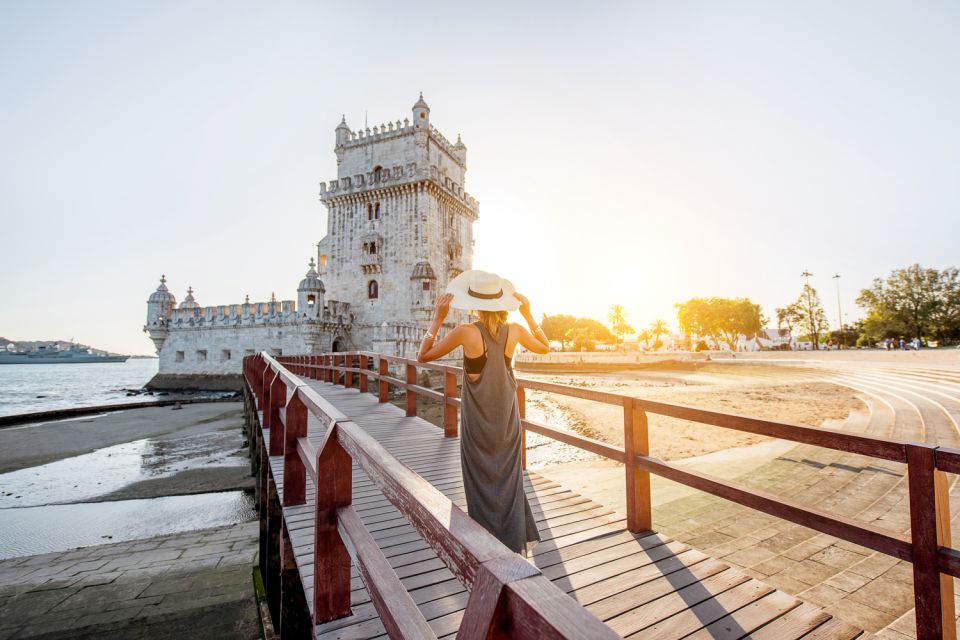
- Manueline architecture stop: The Tower of Belém is the place to spot Portugal’s ornate style.
- Pastéis de Belém, included: One pastel per person finishes the loop.
- Pickup included: Hotel or apartment pickup saves time, especially if you’re staying outside the center.
Why the Seven Hills and Belém Route Works in Four Hours
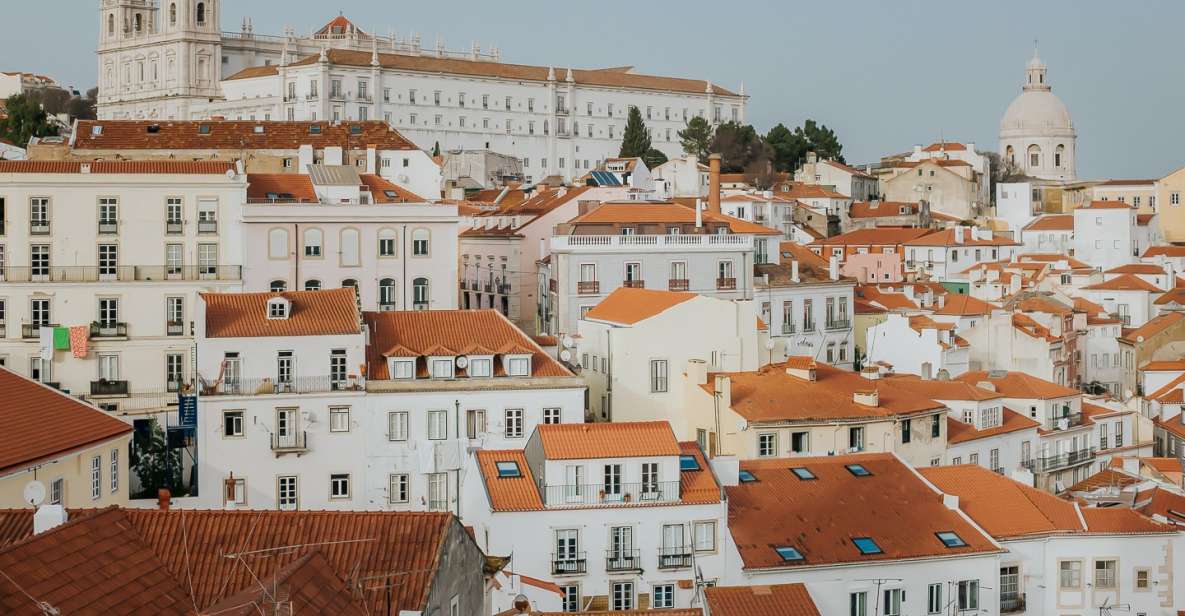
Lisbon is famous for hills, but that can be a problem if you only have half a day. This tour solves it by using a private car to link multiple viewpoints and key sights without turning your day into a stair workout. The result feels like getting your bearings fast, then spending the rest of your visit with better context.
Belém is a different vibe from the hill neighborhoods. It’s about river views, monuments tied to Portugal’s overseas era, and the architectural showpieces that tourists usually line up for. Doing both zones in one trip makes the city’s story click: Lisbon’s viewpoints show the city’s shape, while Belém shows what Portugal projected outward.
The pickup + private car rhythm (and what that means for your day)
Pickup is included from your hotel or apartment, and that matters more than it sounds. If you’ve ever tried to coordinate taxis or ride shares while dragging a backpack up cobblestones, you know how quickly time disappears. Here, the tour starts with you already moving toward the best vantage points.
Because it’s private group touring with car transportation between stopovers, you’re not aiming for a “walk every block” experience. You can expect short bursts of getting out for viewpoints and monument moments, then back into the car for the next repositioning. The comfortable shoes note is real, but this isn’t a full-day trekking plan.
A practical note: the tour includes complimentary water in the car. Some feedback suggests details like water bottles may vary by guide or situation, so if you’re picky about hydration, bring a small backup bottle in your day bag.
Lisbon’s 7 hills: the viewpoint strategy you can feel
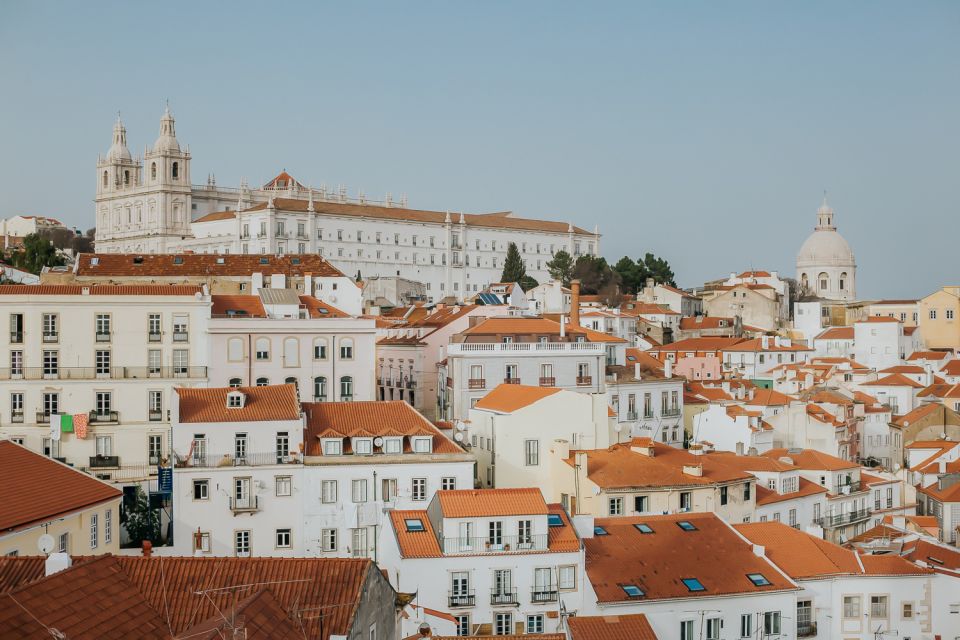
The core idea is simple: you’ll drive through Lisbon’s “seven hills” concept and stop where the city reveals itself. The hills aren’t just geography. They explain why Lisbon looks the way it does—terraces, stair streets, and sudden panoramic breaks in the urban grid.
In practice, the guide’s job here is to connect what you see from each stop to how Lisbon developed. That turns random photo stops into something you can remember. You’ll also get a better sense of directions and neighborhoods, which makes the rest of your trip less confusing.
Also, private touring helps if you want to ask quick questions on the fly. I’d use that advantage early. Ask what hill you’re looking at, where the best evening light usually hits, or how locals typically move around when the streets feel vertical.
Belém by the Tagus: Padrão dos Descobrimentos
After Lisbon’s hill viewpoints, the route shifts to the Tagus River zone in Belém. This is where the monuments stop being “pretty stops” and start acting like markers in a larger story.
Padrão dos Descobrimentos is one of those markers. It’s a large monument built during the Salazar dictatorship and inaugurated in 1960 to commemorate the 500th anniversary of the death of Infante D. Henrique, o Navegador (Prince Henry the Navigator). You’ll be a few meters from the river, so it’s easy to connect the symbolism to the geography—this is the coast and river corridor tied to the Portuguese age of exploration.
If you like monuments that explain themselves through setting, this stop does. Even when you’re not studying details, standing near the Tagus gives you the big-picture meaning fast: journeys start from places like this, not abstract map points.
Jerónimos Church (Santa Maria de Belém): what to notice on the inside
The tour includes entrance fees at the Church of Santa Maria de Belém, which aligns with Jerónimos Monastery/Church. This is the kind of stop where the architecture rewards slow looking, even if you’re on a timed tour.
This monument is known for Portuguese architecture from the 16th century, and it’s also a UNESCO World Heritage Site. What you’ll want to focus on isn’t just the overall size, but the craftsmanship that makes the building feel carved and layered. If you’ve seen ornate Manueline work before, you’ll recognize the mindset here: decoration is part of the storytelling.
One important practical consideration: some tour feedback has mentioned entry ticket handling not matching what people expected. The official inclusion says entrance fees are included at Santa Maria de Belém, but I’d still check your confirmation details so there’s no last-minute confusion about what’s covered and how entry is managed.
If you’re the type who likes to understand before you photograph, this is a good stop to ask your guide to point out 2–3 specific features you shouldn’t miss. That keeps the time focused.
The Tower of Belém: Manueline details and why UNESCO matters
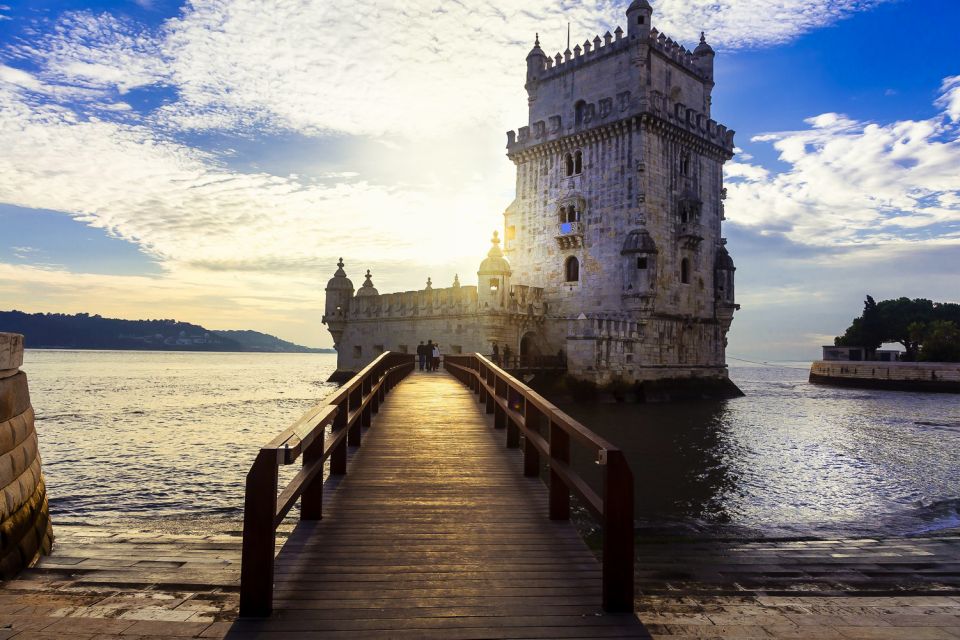
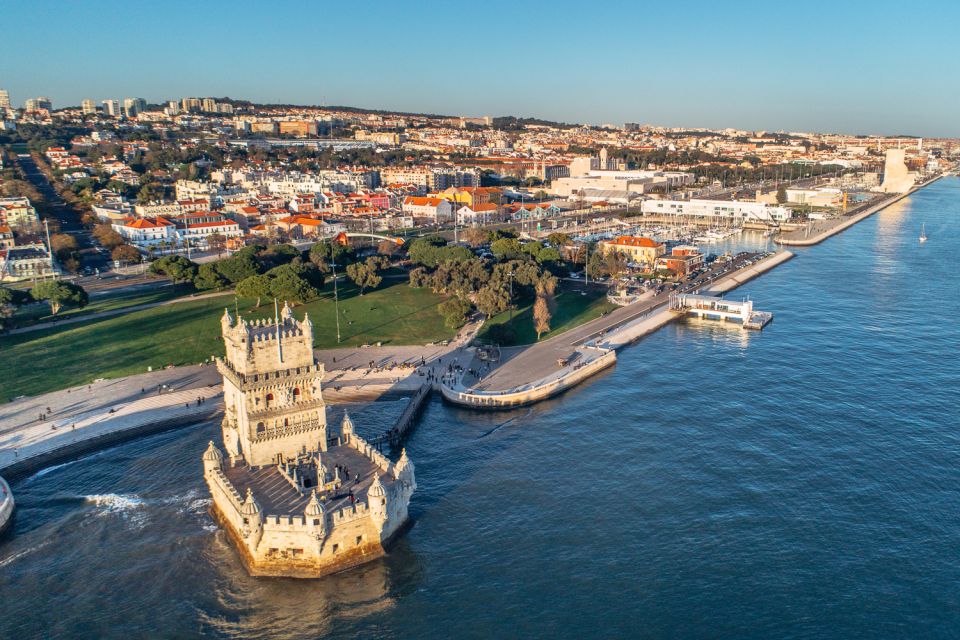
The Tower of Belém is the headline in Belém. It has UNESCO World Heritage status, and it’s often described as one of Portugal’s most important monuments. Built on the Tagus bank in 1515, it originally served as a fortress defending the entrance to Lisbon’s port by river.
But it’s also tied to exploration. The Tower marks a starting point of Portuguese expeditions to Asia, Africa, and America. You’re seeing a structure that was built for defense and for signaling power—at the same time—which explains why it feels more than just decorative.
The Tower is also noted for Manueline art—Portugal’s distinctive style with ornate, story-like design. If you want a simple game for your eyes, look for carved details and patterns that feel organic or woven, not just geometric. That’s the Manueline personality: it looks like it’s dressed up for a mission.
Pastéis de Belém: the sweet finale that makes the day memorable
After monuments, Lisbon goes straight to dessert. The tour includes one Pastéis de Belém per person, served in the pastries’ original birth place.
This is one of those experiences where you don’t need a long explanation to get the value. You’re getting a taste that’s tied to place and tradition, not a generic pastry stop. For many people, it’s also the best kind of ending: something warm, familiar, and easy to enjoy after walking around stone monuments.
If you have dietary needs, plan ahead. The tour data only says the classic pastel is included, and it doesn’t mention alternatives. A quick heads-up to the guide may help, but don’t count on swapping it at the last minute.
Price and value: is $141 a good deal for what you’re getting?

At $141 per person for a four-hour private tour, the price can feel either fair or steep depending on your expectations. Here’s the value math that matters.
You’re paying for:
- Private car transportation between stopover points
- Hotel/apartment pickup
- Entrance fees at Santa Maria de Belém
- Complimentary water in the car
- One Pastéis de Belém per person
So you’re not just buying driving and sightseeing. You’re also buying convenience plus a paid-entry component plus a food item. If you would otherwise spend time coordinating transport and paying entry tickets, the tour can be a practical timesaver.
What you should watch: mixed experiences have shown that details like water availability and how entry is handled can affect satisfaction. Before booking, confirm what your voucher says for entrance and whether the included pastry and water are clearly spelled out. That’s the difference between feeling like you got a deal and feeling like you paid for a sketchy version of the plan.
Also, keep in mind that food and drinks beyond the pastel are not included. If you want lunch or extra snacks, plan that separately.
Guide quality: languages, names you may see, and how to get the best out of it
This tour uses a live guide, and language options include Spanish, English, French, German, Italian. That helps a lot because Lisbon’s best explanations depend on clear storytelling, not just pointing.
Guide names that have appeared in past experiences include Filipe, Paulo, Debora, and Nicole. One guide mentioned especially strong performance in German, with fun explanations and lots of time spent helping people navigate the city. Another highlighted making extra effort to see Jerónimos with additional time, plus guidance to viewpoints.
You don’t control which guide you get, but you can control how you use the experience:
- Ask early what the most important photo viewpoints are
- Request 2–3 explanations you care about (architecture, exploration history, or city layout)
- If you’re unsure about when you’ll enter a monument, ask directly at pickup so everyone’s on the same page
What to bring (and what to skip)
Bring:
- Passport or ID card
- Comfortable shoes
Skip:
- Alcohol and drugs are not allowed.
Because the itinerary combines car travel with stop-and-see moments, good shoes really do matter, especially if you end up with a few uphill stretches around viewpoints or entrances.
Who should book this tour (and who might be disappointed)
This tour fits best if you want:
- A tight, well-paced plan in about four hours
- The biggest Belém monuments without spending hours figuring out logistics
- A car-based way to handle Lisbon’s hills
You might be less happy if you want a lot of walking and deep, slow exploration. This route is built around stops and views, not long foot-only wandering. Also, if you’re expecting multiple meal stops or more than one included pastry, plan for extra spending.
Should you book this 7 Hills and Belém Tour?
If you want a smart “greatest hits” loop that pairs Lisbon’s viewpoint energy with Belém’s UNESCO-era monuments, I think this tour makes sense. The included entrance fee at Santa Maria de Belém and the Pastéis de Belém finale help justify the price, and pickup plus private transport removes a lot of friction.
I’d book it if you’re comfortable with a stop-and-see pace and you double-check the details on entry handling and water so the day matches your expectations. If you’re the type who needs very specific inclusions every time, read your confirmation carefully and bring a small backup snack or bottle, just in case.