REVIEW · CASCAIS
Cascais 3.5-Hour Rock Climbing Experience
Book on GetYourGuide →Operated by Life OUTSIDE · Bookable on GetYourGuide
If the coast looks too easy, try climbing it. This Cascais session puts you on Portuguese limestone with the Atlantic right below you. You get a real outdoor climbing experience without it turning into a long, exhausting trip.
I like two things most. First, the cliffs here are known for being visually stunning, so you’re working with views, not just walls. Second, you learn basic technique up close, so even a total beginner has something to focus on besides trying not to fall.
One thing to keep in mind: transport isn’t included. You’ll need to get yourself to the meeting point near Farol da Guia in Cascais, and you should be ready for a physically active half day.
In This Review
- Key points at a glance
- Cascais Crags With the Sea at Your Feet
- 3.5 Hours That Actually Feels Like a Half Day
- Meeting Near Farol da Guia and Getting Set Up Fast
- The Climbing Intro: Gear, Safety, and Basic Technique
- Climbing Routes for Different Levels on Portuguese Limestone
- What It Feels Like Up There: Views, Wind, and Focus
- Guides Matter: Mário and José Lead the Experience
- Gear and Insurance: What You Get and What You Bring
- Where the Value Really Comes From: Price vs What You Actually Get
- Who This Tour Fits Best (and Who Might Skip It)
- Practical Tips So You Start Strong
- Should You Book This Cascais Rock Climbing Session?
- FAQ
- How long is the Cascais rock climbing experience?
- When does the tour run?
- Where is the meeting point?
- What is included in the price?
- What should I bring with me?
- What languages are the instructors?
- How big is the group?
- Is there a minimum number of participants?
Key points at a glance
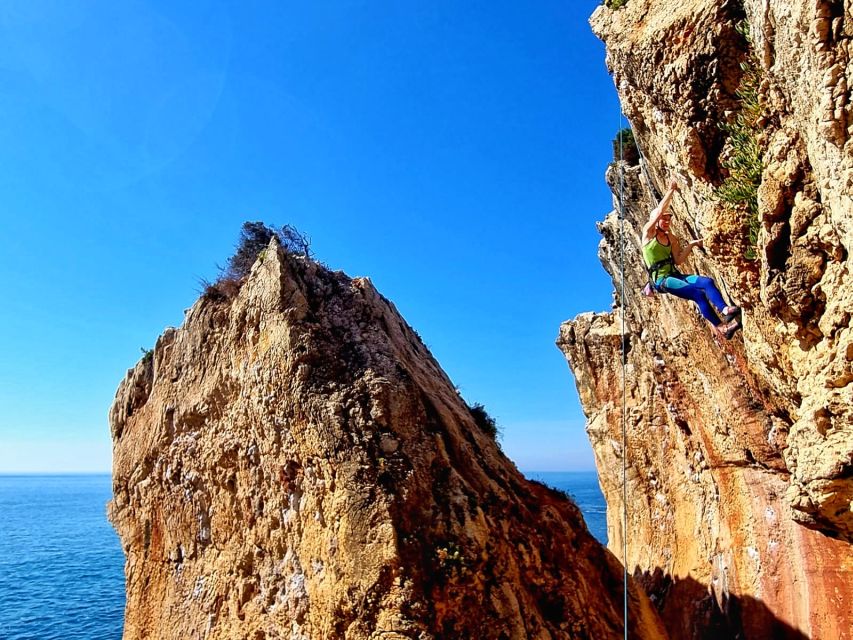
- Ocean-at-your-feet climbing on famous Cascais crags
- Small group (up to 10), so you get real attention from the instructor
- Intro to gear and safety before you start climbing
- Routes for different levels, from first efforts to more demanding pitches
- English and Portuguese guides like Mário and José
Cascais Crags With the Sea at Your Feet
Cascais is one of those places where the shoreline looks perfect from the street. Up on the rock, it gets even better. You’re climbing with the ocean right there, which changes how you judge distance, wind, and footing.
This matters because outdoor climbing is partly technical and partly mental. The view helps keep your focus positive. You’re not grinding through boredom between moves. You feel the place as you go.
The setting is also part of the value. You’re not visiting a museum. You’re borrowing skill and confidence, with the coastline as your backdrop. That’s the kind of “I’ll remember this later” travel time that fits well in a Lisbon-area schedule.
You can also read our reviews of more tours and experiences in Cascais.


3.5 Hours That Actually Feels Like a Half Day
You’ll have two departure windows to choose from: morning (9:00–12:30) or afternoon (14:00–17:30). The activity runs about 3.5 hours, which is long enough to learn fundamentals and try real routes, not just one shaky climb.
This timing is practical for trip planning. Morning sessions help if you want to keep your afternoons free for Sintra day trips or Lisbon wandering. Afternoon sessions can work well if you prefer a later start and want more flexibility on the beach and around town first.
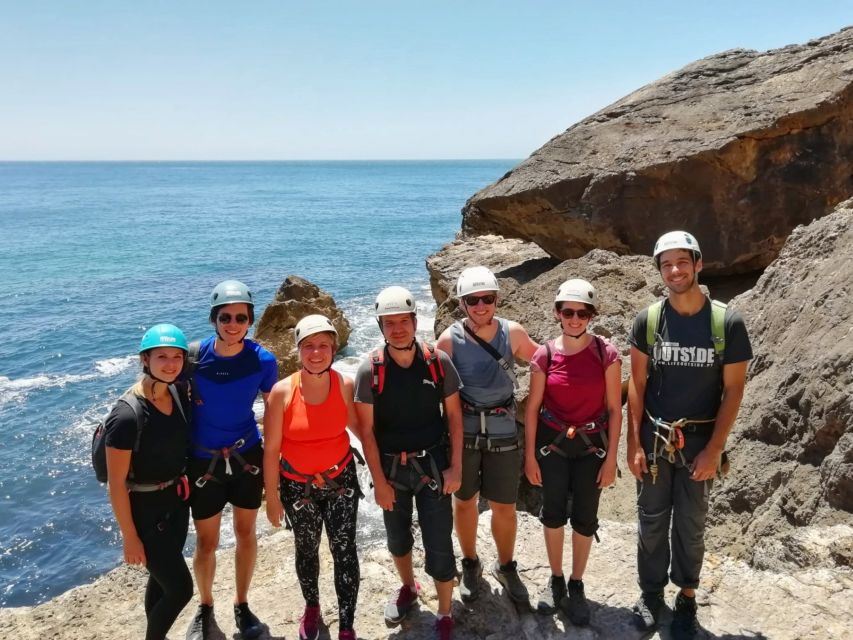
Also, it’s small group time, not a cattle-call. Limited to 10 participants, you spend less time waiting and more time on the rock.
Meeting Near Farol da Guia and Getting Set Up Fast
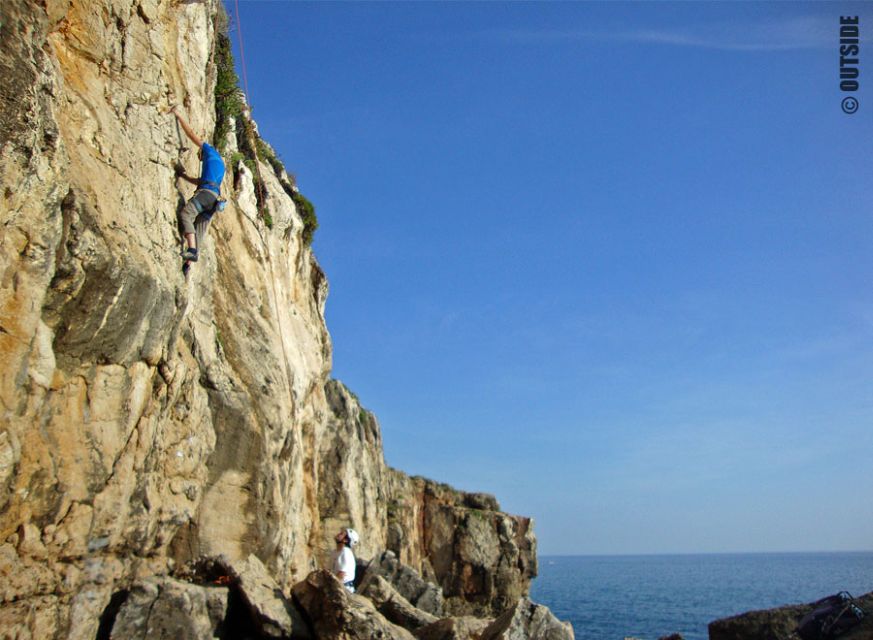
You meet at a gas station near Farol da Guia in Cascais. It’s an easy landmark to aim for, and it keeps the experience anchored in the real coastal area rather than requiring a complicated pickup routine.
After you meet, the start is not immediately “let’s climb.” You begin with a quick orientation. That’s good news if you’re nervous. It means you get guidance before you start making decisions at height.
From there, your guide helps you get organized. You’ll get your gear sorted and review basic climbing safety rules before the first moves. That reduces the awkwardness that can happen when you show up with zero outdoor experience.
The Climbing Intro: Gear, Safety, and Basic Technique
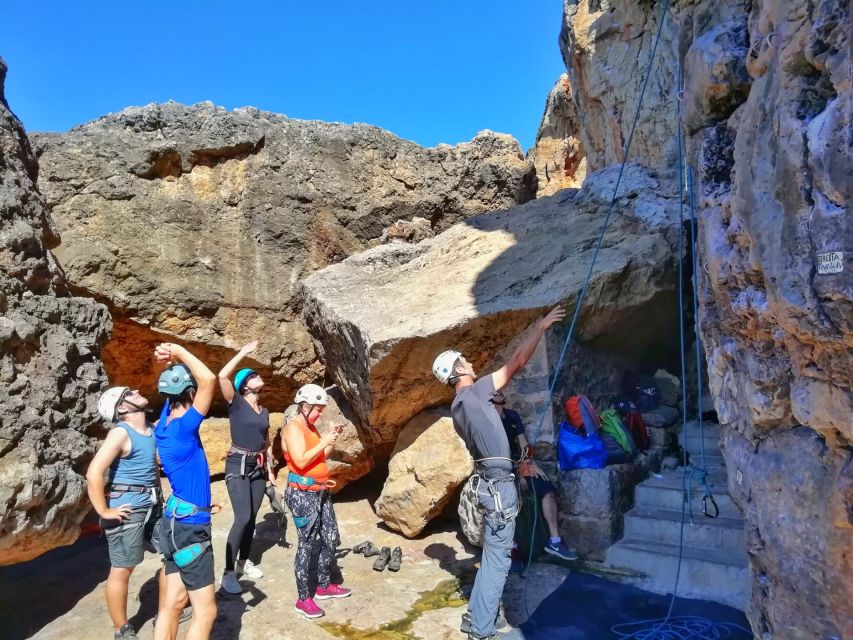
Before you go up, you get a short introduction to rock climbing, including equipment and basic safety rules. This is the part that makes the rest of the session worth it, even if you’re a total beginner.
You’ll be taught the fundamentals in a clear way: how your equipment works, what safe habits feel like, and how to approach your first route attempts. It’s not a classroom lesson. It’s meant to get you climbing with better body positioning and safer decision-making.
One of the best outcomes of an intro like this is confidence. You stop wondering if your form is “wrong” and start focusing on simple, repeatable steps. In outdoor climbing, small technique tweaks can make a big difference.
Climbing Routes for Different Levels on Portuguese Limestone
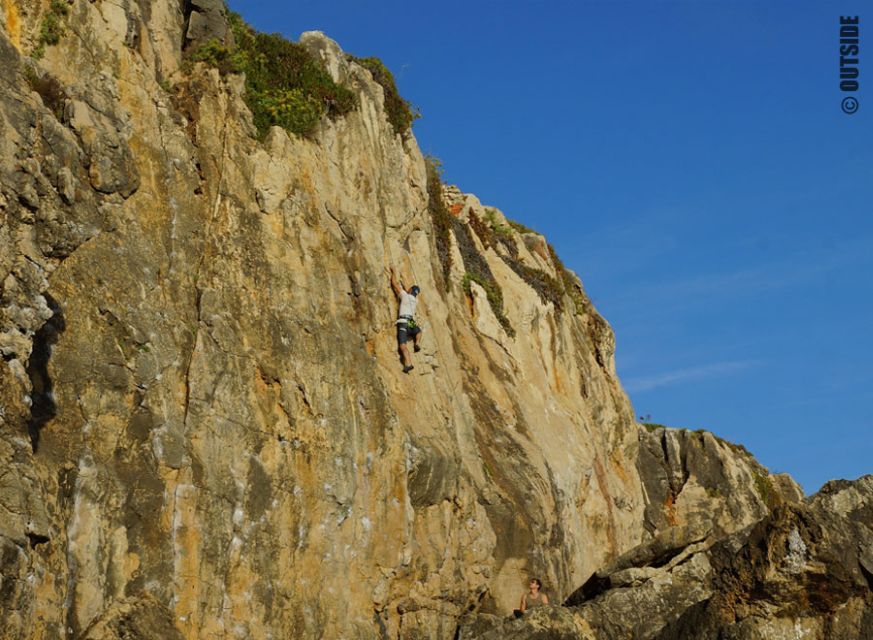
Once you start, you’ll climb on one of the most beautiful climbing cliffs in Portugal. That line gets repeated for a reason. The combination of limestone texture and sea views makes the whole experience feel special, not generic.
The routes cover different levels, so you’re not trapped in the same difficulty the whole time. If you’re new, you can work routes that let you learn how to move. If you have more experience, you can push toward harder pitches while still staying in the guided structure.
What you’re aiming for isn’t just reaching the top. It’s learning how to think on the wall. You’ll practice basic technique while your guide helps with route-reading and movement ideas.
From what I’d expect in this kind of small-group format, you also get time to try multiple climbs. One of the biggest practical wins is avoiding the rushed feeling. You get enough time to attempt and adjust instead of doing a single climb and calling it a day.




What It Feels Like Up There: Views, Wind, and Focus
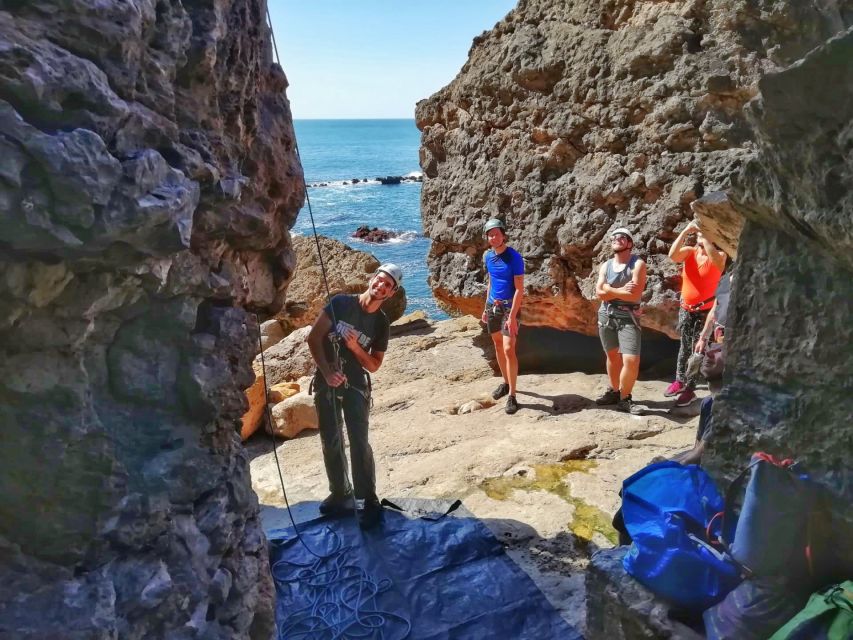
The physical sensation here is real. You’ll feel the cold edge of the ocean air when the wind shifts, and you’ll need steady attention on holds. That sounds intimidating, but it also makes each move more interesting.
Because the sea is right below you, your brain stays engaged. You’re not just climbing a wall. You’re climbing with a constantly changing reference point. That can be a fun challenge once you’re squared away with safety basics.
The limestone setting also tends to suit a wide range of climbers. You might find that the texture gives more defined grip options than you expected, especially once you trust your feet a bit more.
Guides Matter: Mário and José Lead the Experience
Guides are the difference between a tough day and a fun learning day. This experience is led by instructors who speak English and Portuguese, and the names that come up often are Mário and José.
In practice, that means you should expect a guiding style that balances encouragement with real coaching. People report guides who are prompt and knowledgeable, plus guides who make you feel welcome right from the start. That’s especially helpful if you’re nervous about climbing outdoors.
You’re also not just getting directions. You’re getting feedback. A good guide watches your movement and then gives simple fixes that help you climb more smoothly. In a short 3.5-hour session, that coaching time is the whole point.
Gear and Insurance: What You Get and What You Bring
Included in the price are rock climbing gear and insurance. That’s a big value point. It saves you from having to rent or buy equipment, and it also means your activity is wrapped with coverage.
What you need to bring is straightforward:
- Snacks
- Socks
- Water
- Comfortable food for the day
- Comfortable shoes and sporty clothing
You’ll also want rubber-soled shoes—tennis or hiking shoes work. This matters because foot grip and stability make climbing feel safer fast. If you wear worn-out soles or slick shoes, you’ll feel it immediately on the rock.
And yes, bring socks. It sounds small, but it’s one of those practical details that helps with comfort and gear fit.
Where the Value Really Comes From: Price vs What You Actually Get
The cost is $111 per person for about 3.5 hours, including gear and insurance. For Lisbon-area adventures, that price sits in the “quality guided activity” zone rather than the “pay and hope” category.
Here’s why it can feel like good value:
- You’re paying for instruction and supervision, not just access to a cliff
- Gear is included, so you don’t add rental costs
- A small group size means less waiting and more time climbing
- You’re getting a unique coast experience that doesn’t require a full day tour
The main trade-off is transportation. The price does not include getting you to and from your hotel. You’ll likely need a taxi, rideshare, or your own local transport plan.
If you already know how you’ll get there, the $111 figure starts to make sense quickly. It’s basically buying a guided half-day of climbing, plus the tools and coverage to do it properly.
Who This Tour Fits Best (and Who Might Skip It)
This climbing experience is a strong match if you want something active but not “survival training.” The routes are described as having options for different levels, so beginners have a path in and more confident climbers can still enjoy it.
It also fits travelers who like learning in the real world. You’re not just sightseeing. You’re taking a skill and using it immediately.
You should consider other options if you hate being physically challenged in a short burst. Even beginner-friendly climbing can feel intense when you’re on real rock with real height and wind.
Also, there’s a minimum of 2 participants for the activity to run. If you’re traveling solo or with just one person, you’ll want to check availability before you lock in your schedule.
Practical Tips So You Start Strong
A great outdoor session starts before you touch the first hold.
Bring extra water if you tend to run hot. Wear clothes you can move in without worrying about fabric slipping or bunching. Use comfortable shoes with rubber soles and bring a snack so you don’t start hungry.
If you want to get the most from the intro, arrive ready to listen and ask questions. Climbing is safer when you understand the system, and your guide is there to make the learning simple.
And keep expectations realistic. This is 3.5 hours, not a multi-day climbing camp. You’ll learn a lot, but you won’t master everything. The win is progress you can feel by the end.
Should You Book This Cascais Rock Climbing Session?
I’d book it if you want an outdoor activity that feels genuinely Portuguese and not overly touristy. The ocean-side cliffs, the small group size, and the fact that your climb includes gear and safety support add up to solid value for a half day.
You should think twice only if transportation to Farol da Guia is going to be a hassle. If you can solve that piece, you’re set up for a fun, coached climb with real scenery and a low-stress path to getting off the ground.
If your main goal is a hands-on experience where you learn basics and climb on real routes, this one fits well.
FAQ
How long is the Cascais rock climbing experience?
It lasts 3.5 hours.
When does the tour run?
It runs in the morning from 9:00 to 12:30 or in the afternoon from 14:00 to 17:30.
Where is the meeting point?
You meet at a gas station near Farol da Guia, Cascais.
What is included in the price?
The experience includes rock climbing gear and insurance.
What should I bring with me?
Bring snacks, socks, and water. Also plan on comfortable shoes with rubber soles and sporty clothes.
What languages are the instructors?
The instructor team speaks English and Portuguese.
How big is the group?
It’s a small group, limited to 10 participants.
Is there a minimum number of participants?
Yes. There must be a minimum of 2 participants for the activity to run.