
REVIEW · COSTA DA CAPARICA
Lisbon: Surfing Lesson on Costa de Caparica Beach
Book on GetYourGuide →Operated by SurfChamp SurfSchool · Bookable on GetYourGuide
Surfing lessons sound like work until you’re actually on the board. On Costa de Caparica Beach near Lisbon, this 3-hour session mixes small-group attention with patient, hands-on instruction so you can learn fast without feeling rushed. One thing to plan for: transportation isn’t included, and the meeting point is a specific parking lot.
What makes this experience appealing is the flow. You start on the beach learning basics on sand, then you move into the water for real waves, finishing with stretching and a sweet reward that turns effort into a win.
In This Review
- Key Things I’d Watch For
- Costa de Caparica: Why This Beach Works for First-Timers
- From Estacionamento Parking Lot to SurfChamp: The Lesson Setup
- The 3-Hour Flow: How the Session Stays Active
- 1) Gear, briefing, and getting comfortable
- 2) Basics on sand
- 3) Hit the waves with real coaching
- 4) Finish with stretching
- Small-Group Surfing (Up to 6): The Real Value
- Equipment and What’s Included: Less Hassle, More Surf Time
- Instructor Coaching: Technique Corrections You Can Feel
- Timing, Language, and Staying Comfortable
- Transportation: The One Gap You’ll Need to Handle
- Price and Value: Why $34 Can Feel Like a Deal
- Who Should Book This Lisbon Surf Lesson
- Should You Book SurfChamp on Costa de Caparica?
- FAQ
- How long is the surfing lesson?
- How many people are in the group?
- Where do I meet the instructor?
- Is equipment included?
- What should I bring?
- Is transportation to the meeting point included?
- Who is the lesson not suitable for?
Key Things I’d Watch For
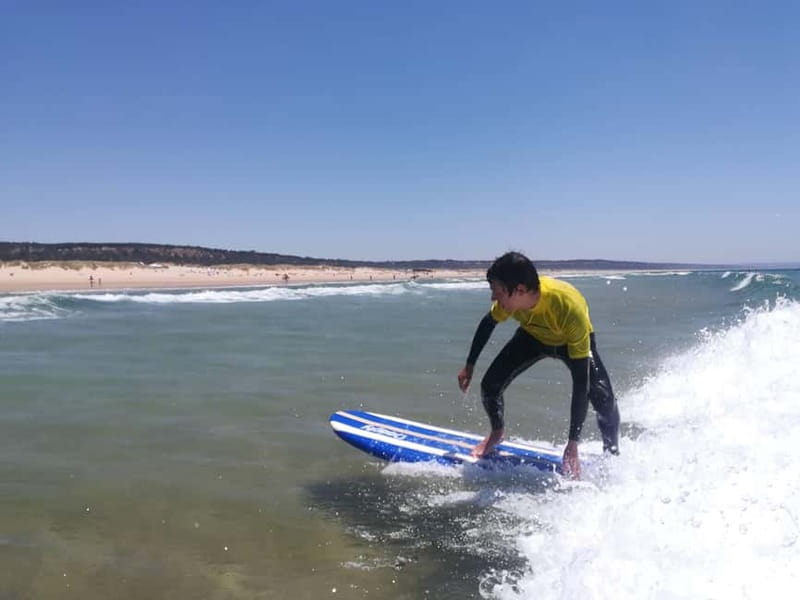
- Small group (max 6) means less waiting and more chances to practice.
- Sand basics first helps you understand the board before you meet the waves.
- Certified instruction + safety briefing keeps your first session calm and controlled.
- Premium equipment included (wetsuit and surfboard) removes a big hassle.
- Portuguese Surfing Federation certificate + insurance adds peace of mind.
- Sweet end reward (often pastel de nata) makes the last minutes feel special.
Costa de Caparica: Why This Beach Works for First-Timers
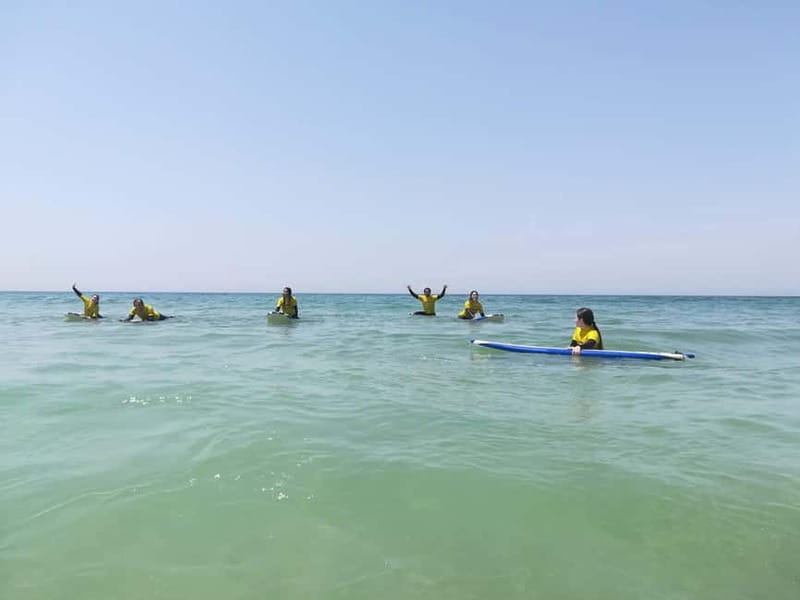
Costa de Caparica is one of those stretches of Atlantic coastline that’s easy to turn into a beginner-friendly plan. The big practical point for you: it’s a place where instructors can guide you through the basics and still get you onto the waves within a short session.
Also, the location is a real advantage. You’re in the Lisbon district, so it feels like a day-trip kind of activity rather than a full-on travel expedition. That matters because surfing lessons already take energy—between changing, walking, and practicing. A well-run 3-hour structure helps you leave feeling like you did something meaningful, not like you spent the whole time preparing.
Finally, the beach experience itself is part of the value. Even when conditions shift, a good lesson format keeps the focus on safe technique and steady progress.
You can also read our reviews of more tours and experiences in Costa Da Caparica

From Estacionamento Parking Lot to SurfChamp: The Lesson Setup
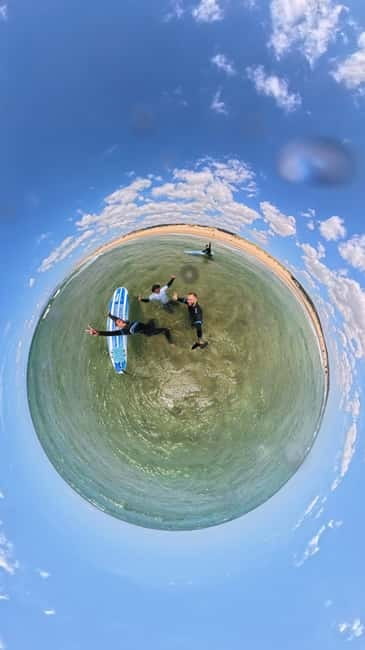
Your lesson kicks off at the meeting point: the Estacionamento parking lot. Look for a grey Peugeot van. This is the kind of detail that can save you stress later, especially if you’re arriving from central Lisbon on your own schedule.
Once you find the van and link up with the group, you head to SurfChamp SurfSchool. From there, the session is built around getting you ready in a logical order:
- Gear up with a wetsuit and surfboard
- Safety briefing (and a swimming-focused portion) so you know what to do and what to avoid
- Start with sand practice to learn how the board works before you charge into the water
The nice part here is that you’re not thrown into the ocean immediately. You’re coached step by step, and the instructor can correct technique early—when changes are still easy and confidence is still forming.
The 3-Hour Flow: How the Session Stays Active
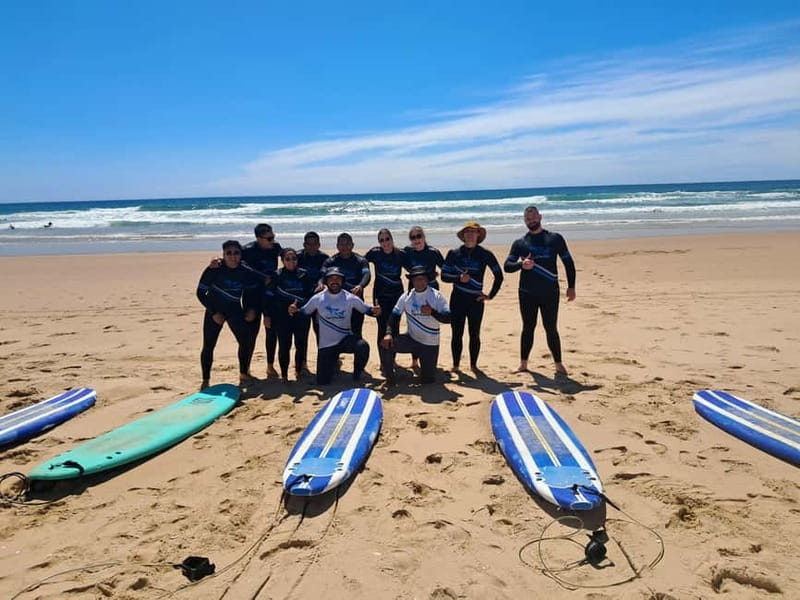
This is a short lesson by design: 3 hours. For beginners, that’s ideal. You get enough time to learn the basics, try them in the water, and still end with stretching instead of total exhaustion.
Here’s how the session typically plays out, and why it matters:
1) Gear, briefing, and getting comfortable
Before anything wave-related happens, you get kitted out with a wetsuit and surfboard and go through a safety briefing. That briefing isn’t just formality. It’s what turns your first surf session from guesswork into a plan you understand.
2) Basics on sand
Next comes the sand practice. This is where you learn core movements—how to position yourself, how to handle the board, and how to prepare for the moment you’ll need to stand. Sand work is valuable because it reduces panic. You’ll recognize the steps once you’re in the water.
3) Hit the waves with real coaching
Then you head into the ocean. You’re not competing for waves, because the group is limited to 6 participants. That small-group cap is one of the biggest reasons this lesson can move quickly. You don’t spend your time waiting for other people to take turns.
The teaching style is very hands-on. Instructors such as Sandro (a name that shows up repeatedly in successful lessons) are described as patient and very focused on correcting takeoff, stance, and how you’re reading what the water is doing.
4) Finish with stretching
After surfing, you do stretching exercises. It’s a small detail, but it’s smart. It helps you cool down and feel better leaving the beach—especially if your calves and hips take the usual first-timer surf lesson hit.
Small-Group Surfing (Up to 6): The Real Value
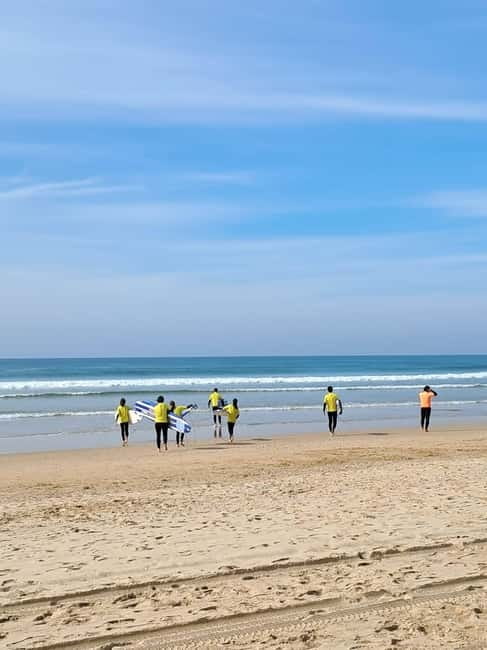
I like lessons where the instructor can actually see what you’re doing. With a small group guaranteed, you get that. Instead of watching from the sidelines or repeating the same mistake while everyone else goes first, you get frequent, direct feedback.
This also affects your confidence. When you’re not stressed about the lineup or losing your turn, you’re more willing to try. And beginners need that. Learning to stand up on a moving board is hard enough without feeling like you’re on a schedule.
If you want even more attention, there’s an option for a private lesson on request. That’s a good fit if:
- you’re traveling with someone and want a shared plan,
- you learn best with one voice guiding you the whole time,
- or you want extra practice time focused on one specific skill.
Equipment and What’s Included: Less Hassle, More Surf Time
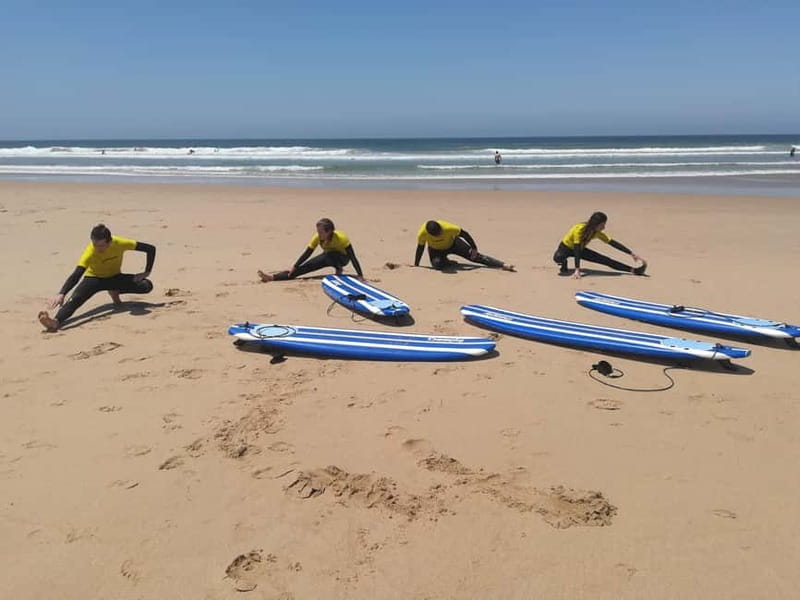
One of the easiest ways to waste a surfing day is showing up unprepared. This lesson solves that problem for you. Equipment is included, including a wetsuit and surfboard, plus a certified instructor.
Here’s what you get beyond the obvious:
- Portuguese Surfing Federation certificate
- Insurance
- A special gift at the end
That insurance and certificate piece is more than paperwork. It signals that the school operates with structure and safety standards, which matters most for first-timers. And the gift turns the lesson into a complete experience rather than a quick transaction.
You still have to bring a few basics: swimwear, sunscreen, and water. I’d treat that like your real checklist. The rest—gear, coaching, and the surf plan—should be handled by SurfChamp.
Instructor Coaching: Technique Corrections You Can Feel
The coaching here is the heart of the experience. The session isn’t just about getting you into the water. It’s about giving you something usable right away.
In plain terms, what you’re looking for in a beginner lesson is:
- clear instruction you can follow immediately,
- corrections that target the few changes that matter most,
- and a pace that doesn’t punish you for learning.
That matches what people consistently praise. In particular, instructors like Sandro are noted for being fun, patient, and very attentive—correcting technique without making beginners feel embarrassed. You also get encouragement, which matters because confidence is part of balance on the board.
The best sign for you is how the lesson keeps you active. The small group and structured flow (sand first, then waves, then stretching) mean you’re not just watching. You’re practicing while the instructor watches for the exact moment something clicks.
Timing, Language, and Staying Comfortable
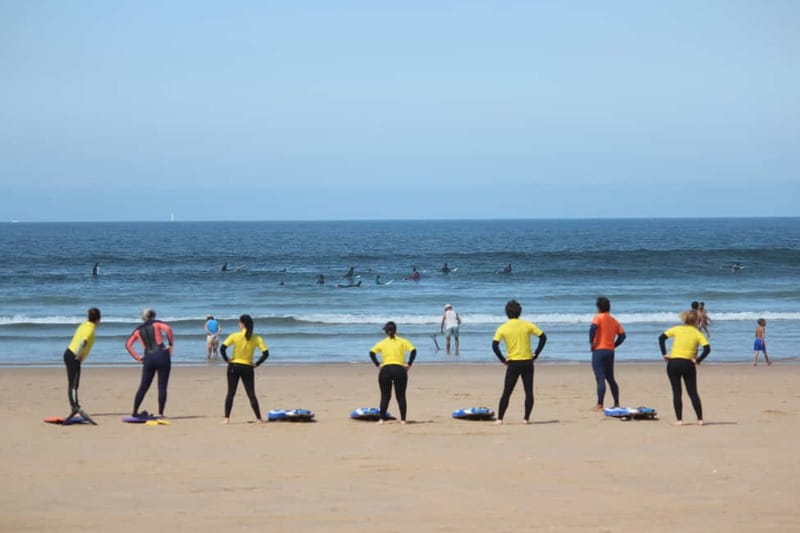
This is a 3-hour activity, and it’s meant to be a solid block of time rather than a quick side stop. Plan your day so you don’t feel rushed before or after. Surfing is physical, and you’ll appreciate having time to cool down.
Language is another practical win. The instructor can teach in English, Portuguese, Spanish, and Italian. That means you’re less likely to miss key safety details or lose the thread of the technique coaching.
And since you’ll be in a wetsuit, I’d also think about sun and hydration. Bring sunscreen and water, even if it’s cooler or overcast. Coastal weather can trick you.
Transportation: The One Gap You’ll Need to Handle
Transportation is not included, and that can change your plan. The meeting point is in a parking lot, and you’re meant to arrive and find the grey Peugeot van.
If you’re staying in Lisbon, you’ll likely take a taxi, rideshare, or your own car. The practical advice: give yourself a buffer. Coastal routes can get slow, and you don’t want to walk in late after gearing up requires time.
If you’re traveling with limited mobility or you’re relying entirely on public transport, this is the main factor to consider. The lesson is well-structured, but you still own the getting-there part.
Price and Value: Why $34 Can Feel Like a Deal
$34 per person for a 3-hour surf lesson is the kind of pricing that gets my attention—especially because equipment, instruction, and safety coverage are included.
Here’s what’s doing the heavy lifting for value:
- Equipment included (wetsuit and surfboard)
- Certified instructor
- Portuguese Surfing Federation certificate
- Insurance
- Small group size capped at 6
- Special gift at the end
Even without overthinking it, those inclusions reduce your hidden costs. Buying rentals separately, paying for insurance separately, or hiring private instruction elsewhere would add up quickly. This course is positioned as a beginner-friendly entry point with real support, not just a casual beach activity.
If you’re deciding between a cheaper, larger group lesson and this smaller-group setup, I’d usually choose the one that maximizes coaching time. Surf learning is skill-based. The instructor’s attention is what speeds up your progress.
Who Should Book This Lisbon Surf Lesson
This is a strong fit if:
- you’ve never surfed before and want real technique coaching,
- you want a safe, structured first session without lineup stress,
- you like short, high-energy experiences,
- you value a small group and hands-on correction.
It’s not suitable for children under 12 or pregnant women, based on the activity’s rules. So if either applies, you’ll want to look for a different surf option designed for your situation.
Also, if you’re the kind of traveler who likes learning one practical skill during a trip—something you can talk about for years—this works well. You leave with a story, a new movement pattern in your body, and usually a wave count that feels higher than you expected for one lesson.
Should You Book SurfChamp on Costa de Caparica?
I’d book it if you want a beginner lesson that feels organized, safe, and focused on getting you standing sooner rather than later. The combination of small-group attention, a certified instructor, and included equipment makes the price feel fair—and the stretching plus sweet reward helps you leave satisfied, not just sore.
I would hesitate only if transportation logistics are a hassle for you, or if you prefer a different setup than an instructor-led, beginner-first progression. If you can handle getting yourself to the Estacionamento parking lot and find that grey Peugeot van, you’re in good shape.
Overall: this is a practical way to learn surf near Lisbon, with the kind of coaching that turns first-timer nerves into quick progress.
FAQ
How long is the surfing lesson?
The experience runs for 3 hours.
How many people are in the group?
It’s a small group limited to 6 participants.
Where do I meet the instructor?
You meet in the parking lot at Estacionamento. Look for a grey Peugeot van.
Is equipment included?
Yes. The lesson includes surfing equipment, plus a wetsuit and surfboard.
What should I bring?
Bring swimwear, sunscreen, and water.
Is transportation to the meeting point included?
No. Transportation is not included.
Who is the lesson not suitable for?
It’s not suitable for children under 12 years old and for pregnant women.